Whistleblower Protections: How to Report Manufacturing Quality Issues Safely
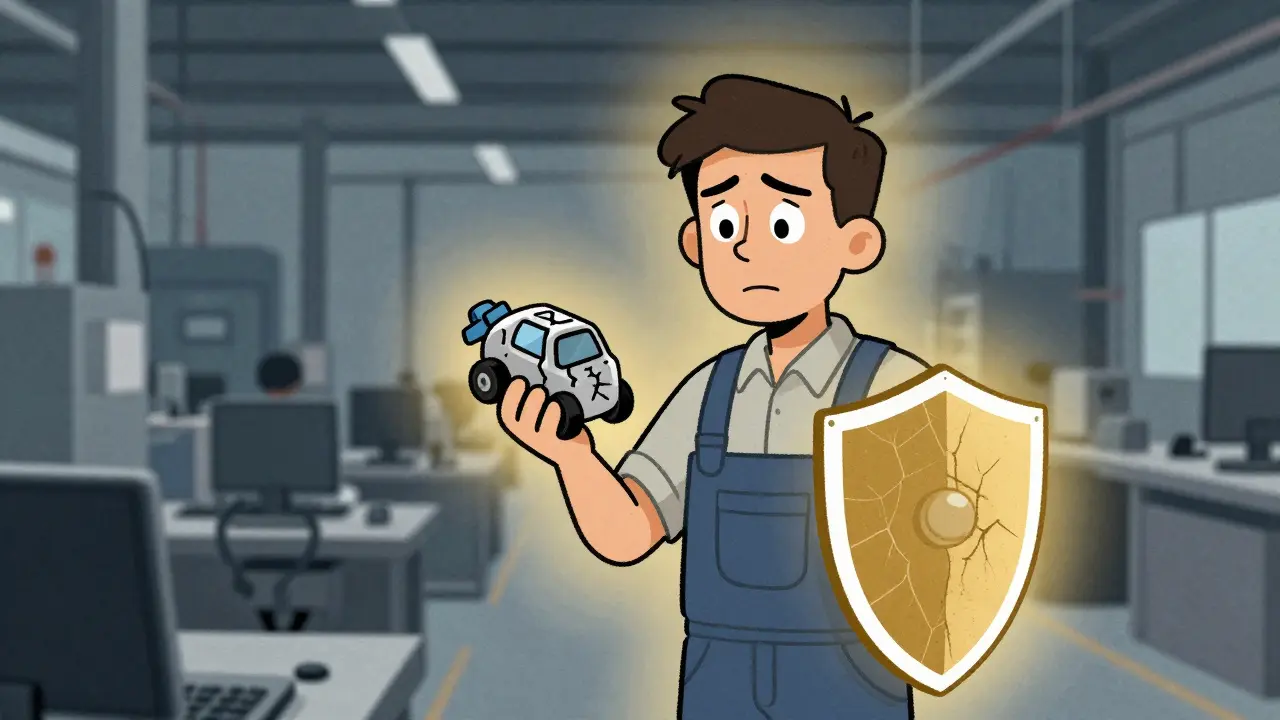
Imagine you spot a defect in a batch of children’s toys or notice unsanitary conditions in a food processing plant. You know something is wrong, but speaking up feels risky. Will you lose your job? Will you be blacklisted? For manufacturing employees, these fears are real. But federal laws exist specifically to protect you when you report safety violations, defects, or noncompliance. Understanding whistleblower protections can mean the difference between staying silent and saving lives.
Why Whistleblowers Matter in Manufacturing
Quality issues in manufacturing don’t just affect bottom lines-they endanger people. Whether it’s lead in paint, flammability in textiles, or unsafe vehicle parts, early detection saves consumers from harm. The Consumer Product Safety Commission (CPSC) found that 72% of product recalls originated from internal whistleblower reports rather than external inspections. That means most safety fixes start with an employee who had the courage to speak up.
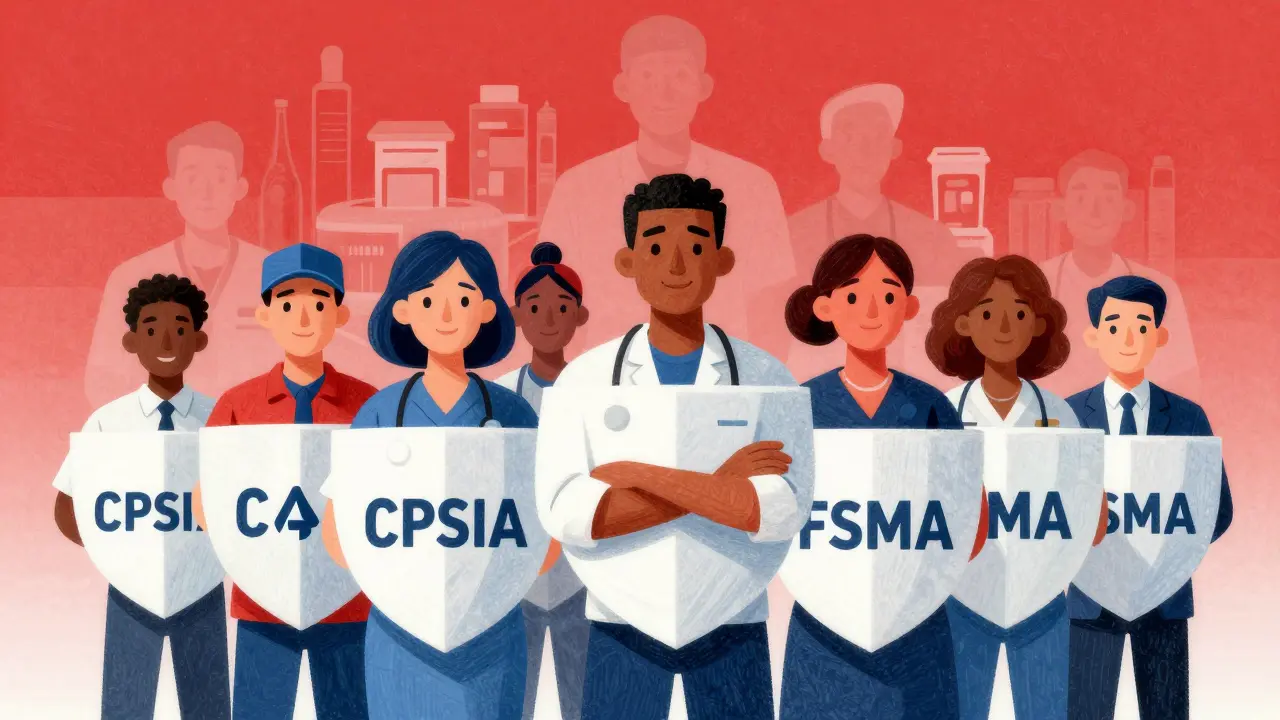
Without legal shields, many workers would stay quiet out of fear. Laws like the Consumer Product Safety Improvement Act (CPSIA) of 2008 and the FDA Food Safety Modernization Act (FSMA) of 2011 were created to change that. They ensure you can report problems without facing retaliation. These statutes cover manufacturers, distributors, packers, and even retailers. If you work in any part of this supply chain, you likely have rights.
Key Laws Protecting You
Different industries fall under different laws. Knowing which one applies to you helps you file correctly and avoid common pitfalls. Here’s a breakdown:
- CPSIA (2008): Covers consumer goods like toys, furniture, and electronics. Reports must be filed within 180 days.
- FSMA (2011): Applies to food manufacturers and transporters. Also has a 180-day deadline. In 2022, 63% of FSMA complaints involved unsanitary conditions.
- MAP-21 (2012): Protects automotive workers reporting vehicle defects. Deadline is tight-only 30 days. NHTSA noted that 41% of 2022 vehicle recalls came from whistleblowers.
- Sarbanes-Oxley (SOX): After the 2014 Supreme Court decision in Lawson v. FMR LLC, contractors working for public companies also gained protection. This now covers 73% of manufacturing whistleblowers in public supply chains.
All these laws prohibit retaliation through termination, demotion, suspension, or other adverse actions. They also cover contractors and subcontractors, not just direct employees.
| Law | Industry Focus | Filing Deadline | Common Issue Reported |
|---|---|---|---|
| CPSIA | Consumer Products | 180 days | Lead in children's products |
| FSMA | Food Processing | 180 days | Unsanitary conditions |
| MAP-21 | Automotive | 30 days | Vehicle safety defects |
| WPEA | Government Contracts | Varies | Defense contracting quality |
How to File a Complaint Correctly
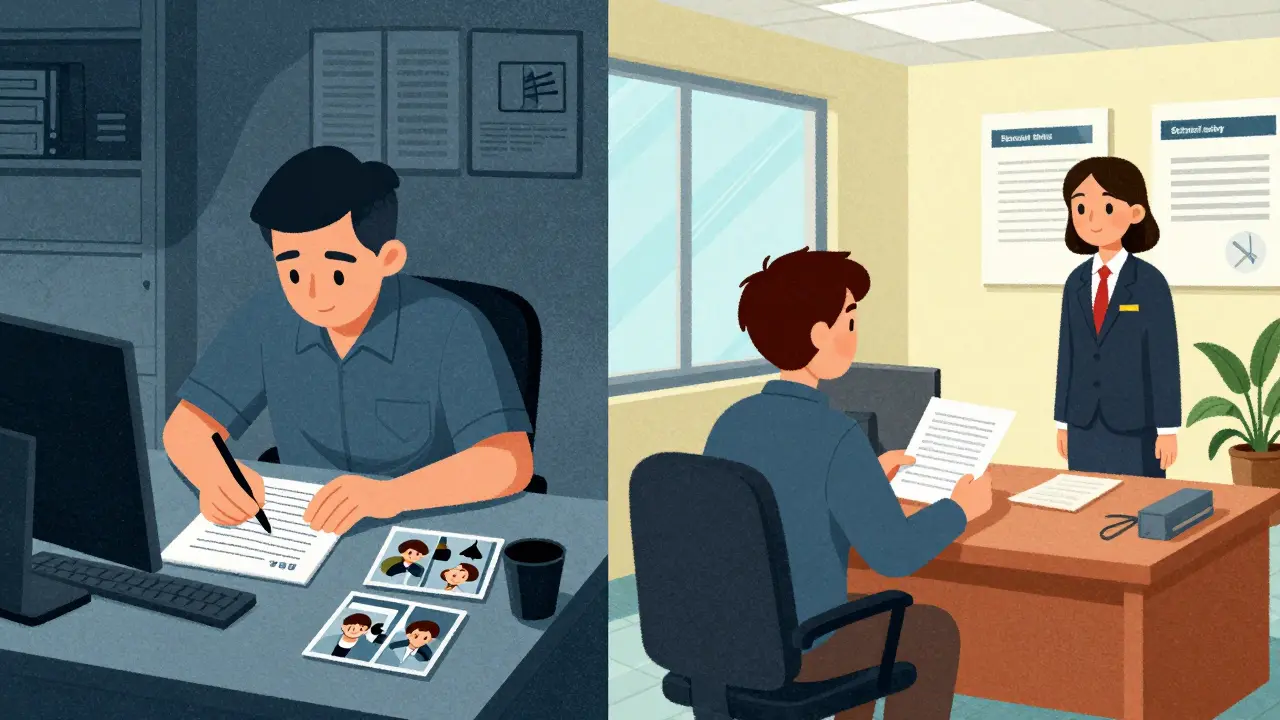
Filing isn’t as simple as sending an email. You need to follow specific steps to keep your case strong. First, document everything. Note dates, product identifiers, and exact quality specifications. Vague claims get dismissed. According to the National Whistleblower Center, gathering enough evidence takes 8-12 weeks on average, with medical device and automotive sectors needing even longer.
Next, use internal channels if possible. About 62% of CPSIA protections apply to internal reports. Tell your manager or compliance officer first. Keep copies of all communications. If nothing happens-or worse, if you face backlash-go external. Contact OSHA’s Whistleblower Protection Program. Do this within the statutory deadline. Missing it is the #1 reason cases fail; 41% of manufacturing complaints were dismissed because they were filed too late.
OSHA investigates and may issue preliminary findings in 60-90 days. If you’re unhappy with the result, you can request a hearing before an administrative law judge. Remedies for proven retaliation include reinstatement, back pay with interest, compensatory damages, and attorney fees. In 2022, the average award was $287,500 per substantiated case.
Risks and Limitations You Should Know
Protections aren’t perfect. A 2022 Department of Justice report found that 68% of manufacturing whistleblowers still experienced some form of retaliation. Common tactics include constructive discharge (forcing you to quit), blacklisting, and denying promotions. Social media disclosures are especially tricky. The NLRB ruled in 2022 that posting about quality issues online doesn’t count unless tied directly to workplace safety. This affected 18% of cases.
Another hurdle is complexity. Professor Tom Devine notes that quality issues often require expert testimony to prove violations. Without technical proof, your claim might not meet the statutory definition of a protected disclosure-another reason 29% of cases get dismissed.
Recent court decisions have added uncertainty. The 2022 Supreme Court ruling in Murray v. UBS Securities requires whistleblowers to prove their disclosure was “definitive and detailed,” not just based on belief. This led to a 15% drop in manufacturing complaints shortly after.
Practical Tips for Reporting Safely
If you’re considering blowing the whistle, here’s what to do:
- Document meticulously: Save emails, photos, test results, and witness statements. Be specific about dates and product IDs.
- Start internally: Report to supervisors or compliance teams first. It strengthens your case and shows good faith.
- Know your deadline: Mark your calendar. 30 days for automotive, 180 for consumer goods and food. Set reminders early.
- Contact OSHA quickly: Call 1-800-321-OSHA within 10 days of any retaliatory action. Don’t wait.
- Seek free legal help: OSHA’s Regional Offices offer assistance. Yet 47% of whistleblowers didn’t know this resource existed. Ask for it.
The Society of Manufacturing Engineers found that 79% of professionals believe QA departments should have formal whistleblower protocols-but only 34% of companies actually do. So don’t assume your company has a system. Build your own paper trail.
Recent Changes in 2023-2026
Things are evolving. In 2023, OSHA launched Directive CPL 07-00-013, standardizing investigations across all 22 statutes it enforces. Average investigation time dropped from 192 to 147 days. Faster resolution means less stress for reporters.
The CPSC also created a dedicated Whistleblower Ombudsman role, boosting CPSIA filings by 23%. Most inquiries relate to toy manufacturing. Meanwhile, the Department of Energy clarified in January 2023 that nondisclosure agreements cannot override whistleblower rights for government-contracted nuclear component makers. This closed a gap that hurt 37% of previous cases.
As we move into 2026, awareness is growing. More companies are adopting internal protocols. But vigilance remains key. Your voice matters-and the law backs you up if you play it smart.
What happens if I miss the filing deadline?
If you file after the statutory deadline-whether 30, 45, or 180 days depending on the law-your complaint will likely be dismissed. In 2021, 41% of manufacturing whistleblower cases were rejected solely due to late filing. Always check the specific statute covering your industry and set calendar alerts well in advance.
Can my employer fire me for reporting a quality issue?
No, not legally. Federal laws like CPSIA, FSMA, and MAP-21 explicitly prohibit retaliation, including termination, demotion, or suspension. However, 68% of whistleblowers still face some form of pushback. Document every interaction and contact OSHA immediately if adverse actions occur.
Do I need to report internally first?
Not always, but it’s recommended. Internal reporting counts toward protected activity under many laws, including 62% of CPSIA cases. Starting internally demonstrates good faith and gives your employer a chance to fix the problem. Just keep records in case you need to escalate later.
Is social media a safe way to report defects?
Generally no. The NLRB ruled in 2022 that social media posts about quality issues aren’t protected unless directly linked to workplace safety. Only 18% of such cases succeeded. Stick to official channels like OSHA or internal compliance officers to maintain legal standing.
How much money can I recover if retaliation is proven?
Remedies vary, but the Administrative Review Board ordered an average of $287,500 per substantiated case in 2022. This includes back pay with interest, reinstatement, compensatory damages, and attorney fees. Exact amounts depend on severity and duration of retaliation.
Are contractors covered by whistleblower laws?
Yes. Since the 2014 Lawson v. FMR LLC Supreme Court decision, employees of private contractors working with public companies are protected under Sarbanes-Oxley. Today, 73% of manufacturing whistleblowers in public supply chains qualify. Government contractor protections also extend to subcontractors under Title 41 U.S.C. § 4712.
What kind of evidence do I need to support my claim?
You need concrete proof: dated documents, product serial numbers, test results, photos, and witness statements. Technical specs matter. Experts note that complex quality issues often require specialist testimony. On average, gathering sufficient evidence takes 8-12 weeks, longer in medical devices and automotive sectors.
Can I get free legal help?
Yes. OSHA’s Whistleblower Protection Program offers free assistance through its 10 regional offices nationwide. Unfortunately, 47% of whistleblowers don’t know this exists. Contact them early, especially within 10 days of any retaliatory action, to maximize your chances.