Type 1 Diabetes Guide: Recognizing Symptoms and Managing Insulin Therapy
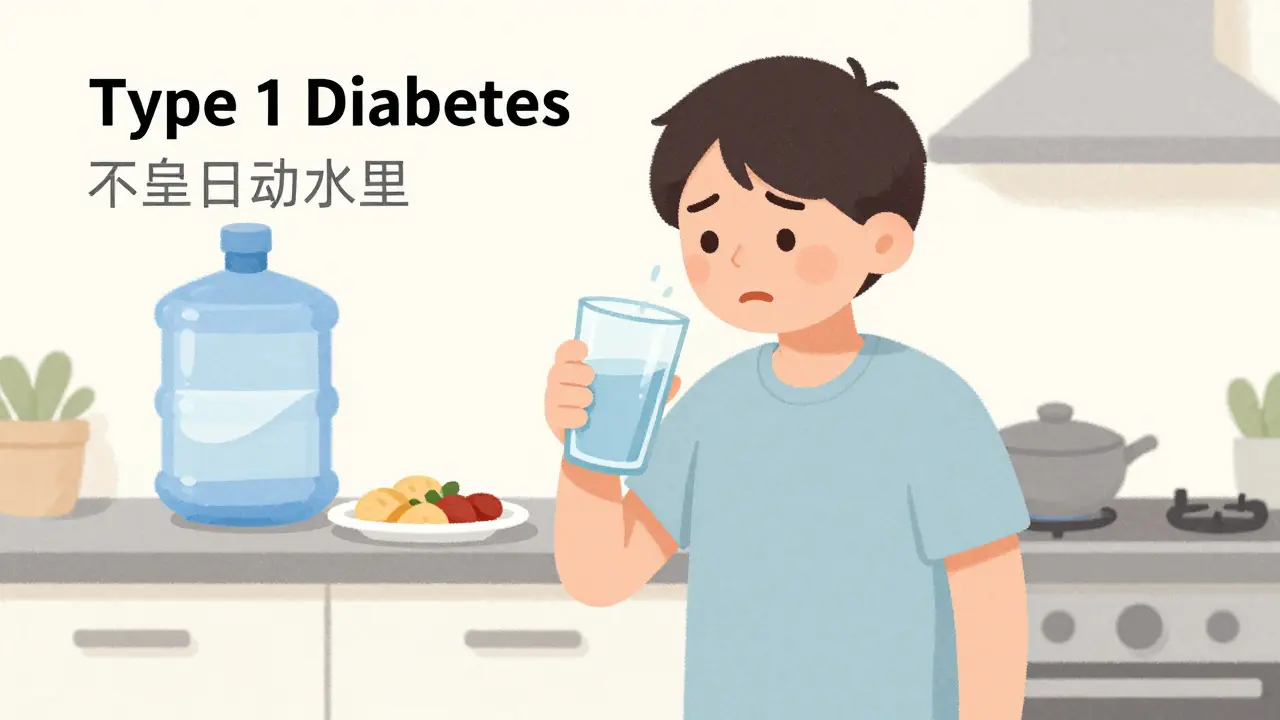
Imagine waking up and feeling an unquenchable thirst that no amount of water can satisfy, paired with a sudden, unexplained drop in weight. For many, these aren't just random health glitches-they are the first red flags of a lifelong journey with Type 1 Diabetes is a chronic autoimmune condition where the immune system attacks and destroys insulin-producing beta cells in the pancreas. Unlike the more common type 2, this isn't about lifestyle choices or diet; it's a biological malfunction where the body simply stops making the hormone it needs to survive.
Dealing with this diagnosis feels like being handed a full-time job you never applied for. You suddenly have to track every gram of carbohydrate and monitor your blood chemistry multiple times a day. But while the learning curve is steep, the tools available in 2026 have turned a once-terrifying diagnosis into a manageable condition. Whether you're noticing symptoms for the first time or looking for better insulin options, understanding the mechanics of the disease is the first step toward taking control.
Spotting the Warning Signs
The onset of type 1 diabetes is often aggressive. While some people might have subtle signs for a few weeks, others crash quickly. The most telltale signs are often grouped as the "three polys": polyuria (peeing constantly), polydipsia (extreme thirst), and polyphagia (intense hunger). You might eat more than ever but still lose weight because your body can't use the glucose in your blood for energy, so it starts burning fat and muscle instead.
Beyond the basics, keep an eye out for these specific red flags:
- Blurred vision: High blood sugar causes fluid to shift in the lenses of your eyes, making things look fuzzy.
- Extreme fatigue: Since your cells aren't getting the fuel they need, you'll feel exhausted even after a full night's sleep.
- Slow-healing wounds: High glucose levels can impair circulation and slow down the body's natural repair process.
- Dry mouth: A direct result of the dehydration caused by frequent urination.
The real danger is when these symptoms escalate into Diabetic Ketoacidosis (DKA), a medical emergency where the blood becomes acidic due to the buildup of ketones. If you notice fruity-smelling breath or start vomiting, it's time to head to the ER immediately. DKA can develop in as little as 24 hours if left untreated.
How Doctors Confirm the Diagnosis
If you visit a clinic with these symptoms, a doctor won't just guess; they'll use a battery of precise tests to see exactly what's happening in your blood. The gold standard for confirming diabetes is the A1C test, which measures your average blood sugar over the last three months. A result of 6.5% or higher on two separate tests is a clear indicator of diabetes.
However, an A1C test doesn't tell you which type of diabetes you have. To distinguish type 1 from type 2, doctors look for "autoantibodies." They check for GAD65 antibodies first; if those are present, it confirms the immune system is attacking the pancreas. They might also measure C-peptide levels. Since C-peptide is a byproduct of insulin production, very low levels in a person with high blood sugar strongly suggest the pancreas has stopped working, pointing directly to type 1.
| Test Type | Diagnostic Value | Condition |
|---|---|---|
| A1C (Hemoglobin) | ≥ 6.5% | Two separate tests |
| Fasting Plasma Glucose | ≥ 126 mg/dL | After 8+ hours of fasting |
| Random Plasma Glucose | ≥ 200 mg/dL | With classic symptoms |
| Oral Glucose Tolerance | ≥ 200 mg/dL | 2 hours after glucose drink |
Modern Insulin Therapy Options
Since your body no longer produces insulin, you have to replace it manually. This isn't a "one size fits all" process. Depending on your lifestyle, you'll likely choose between two main delivery methods: Multiple Daily Injections (MDI) or an insulin pump.
MDI is often called "basal-bolus therapy." You take a long-acting insulin once or twice a day to keep a steady baseline (basal), and then you inject rapid-acting insulin right before meals (bolus) to handle the spike in glucose from carbohydrates. It's flexible and requires less equipment, but it means more needle sticks throughout the day.
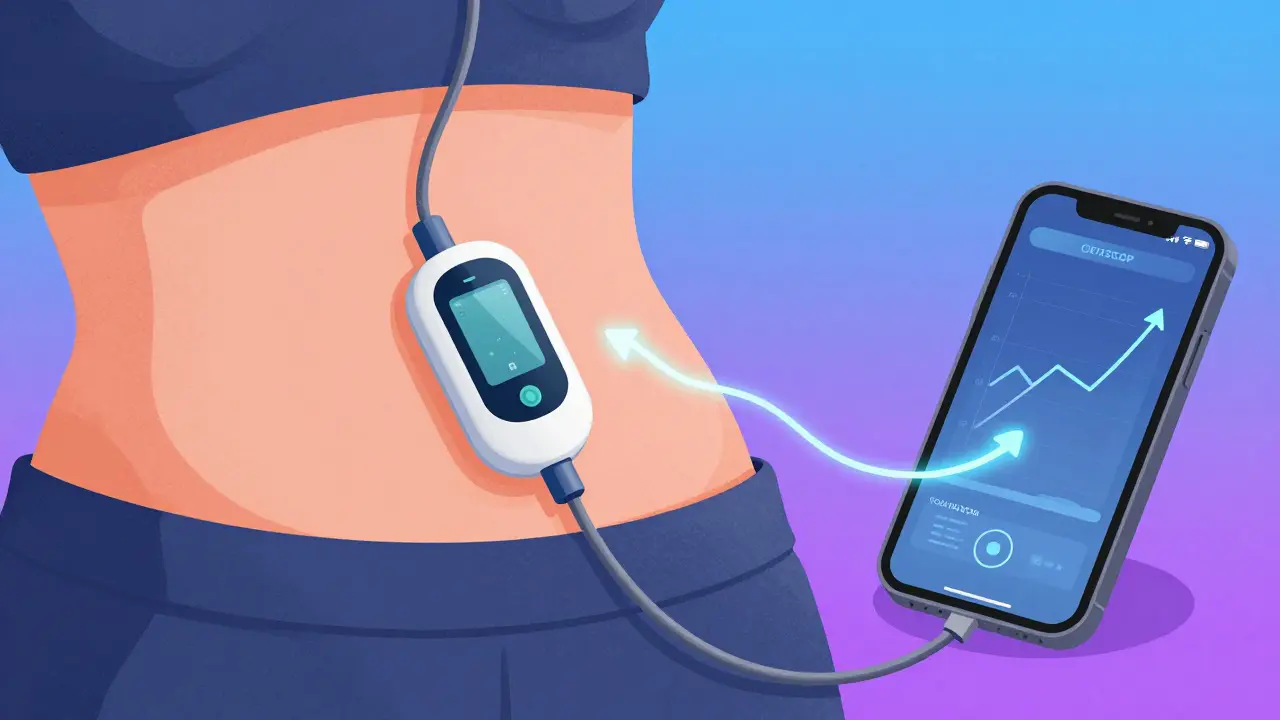
For those who want more precision, Continuous Subcutaneous Insulin Infusion (CSII), or an insulin pump, is the way to go. A pump is a small device worn on the body that delivers a steady stream of rapid-acting insulin. You don't have to worry about basal injections; you just program the pump to deliver a bolus when you eat. Modern pumps are even "smart"-they talk to your glucose monitor and adjust the insulin flow automatically.
Regardless of the method, the goal is to stay within target ranges. For most adults, the American Diabetes Association suggests keeping pre-meal glucose between 80-130 mg/dL and post-meal levels under 180 mg/dL. If your numbers consistently stray from these, your doctor might tweak your insulin-to-carb ratio-for example, deciding if you need 1 unit of insulin for every 5 grams or 15 grams of carbs.

The Role of Continuous Glucose Monitoring
If you've only ever used fingerstick tests, Continuous Glucose Monitoring (CGM) will feel like a superpower. A CGM uses a tiny sensor under the skin to track your glucose levels every few minutes, sending the data straight to your smartphone.
The real value here isn't just the number; it's the trend. A fingerstick tells you where you are now, but a CGM tells you where you're going. If you see an arrow pointing straight down, you know you're heading toward hypoglycemia (low blood sugar) before you even feel shaky. Studies have shown that using a CGM can drop your A1C by up to 0.8%, significantly lowering the risk of long-term complications like kidney disease or vision loss.
Dealing with the "Lows" and "Highs"
Managing blood sugar is a balancing act. When you go too low-below 70 mg/dL-you're in the danger zone of hypoglycemia. You might feel dizzy, shaky, or suddenly irritable. The rule of thumb here is the "15-15 rule": eat 15 grams of fast-acting carbs (like 4 ounces of juice or a tablespoon of honey), wait 15 minutes, and check your levels again. If you're still low, repeat the process.
On the flip side, chronic highs (hyperglycemia) don't always feel urgent, but they do damage. Over years, high glucose levels act like shards of glass in your blood vessels, damaging the small capillaries in your eyes (retinopathy) and kidneys (nephropathy). This is why regular check-ups for cholesterol, thyroid function, and kidney health are just as important as your daily insulin doses.
Looking Ahead: New Treatments and Tech
The landscape of T1D is changing rapidly. We've moved past just "managing" and are moving toward "delaying." One of the biggest breakthroughs is Teplizumab (Tzield). This is a monoclonal antibody that can actually delay the onset of stage 3 T1D in at-risk people. In clinical trials, it pushed back the need for insulin for a median of over two years, giving families more time to prepare.
We're also seeing the rise of Advanced Hybrid Closed-Loop systems. These are essentially "artificial pancreases" that combine a pump and a CGM. By automating the insulin delivery, these systems have helped patients spend significantly more of their time in the ideal 70-180 mg/dL range, reducing the mental burden of the disease.
And for those looking for a cure, stem cell research is promising. Early trials with allogeneic stem cell-derived islet cells have shown that some participants could actually become insulin-independent for months after an infusion. While this isn't widely available yet, it proves that the goal of replacing the body's beta cells is becoming a reality.
Can Type 1 Diabetes be cured with diet or exercise?
No. Type 1 Diabetes is an autoimmune disease where the pancreas stops producing insulin. While a healthy diet and exercise help manage blood sugar levels and improve overall health, they cannot restart insulin production. Lifelong insulin therapy is required for survival.
What is the difference between T1D and T2D?
Type 1 is an autoimmune attack on the pancreas and usually appears suddenly in childhood or young adulthood. Type 2 is primarily characterized by insulin resistance and typically develops more gradually over time, often linked to genetics and lifestyle factors.
How often should I check my A1C levels?
The American Diabetes Association generally recommends testing A1C every three months for those who are not meeting their targets or are changing their therapy. If your levels are stable and you're meeting your goals, testing twice a year may be sufficient.
Is an insulin pump better than injections?
Not necessarily "better," but different. Pumps offer more precise control and eliminate multiple daily needles, which can lead to better glucose stability. However, injections are simpler to manage, cheaper, and don't require wearing a device 24/7. The choice depends on your lifestyle and preferences.
What should I do if I feel a "low" coming on?
Immediately consume 15 grams of fast-acting carbohydrates, such as 4 ounces of fruit juice, regular soda, or glucose tablets. Wait 15 minutes and re-check your blood glucose. Repeat until your levels are back above 70 mg/dL.
Next Steps for Management
If you've just been diagnosed, the first priority is a comprehensive diabetes education program. Expect to spend about 10-20 hours learning the basics of carb counting and insulin dosing. Don't try to master it in one day; focus on the "15-15 rule" for lows and how to use your monitoring device first.
For those already managing the condition, look into upgrading your tech. If you're still using fingersticks, talk to your doctor about a CGM. If you're struggling with nighttime lows, ask about hybrid closed-loop pumps. The goal isn't perfection-since blood sugar fluctuates for a million reasons-but rather staying in range as much as possible to protect your future health.
The explanation of the difference between MDI and pump therapy is spot on. For anyone just starting out, it's worth mentioning that the mental load of carb counting is often the hardest part initially. Once you get a feel for the common foods you eat, it becomes second nature. Just remember to stay patient with yourself during those first few months while you're figuring out your ratios!
CGMs are such a lifesaver! 🌟 I love not having to prick my finger every hour 💉🙌
listen if you actually want to survive you need to stop eating processed garbage and get on a real diet the medical system just wants you on pumps for profit total joke
Wait a minute, these "smart" pumps and CGMs are just ways for big pharma to track our biometric data in real time! They want to know exactly when we're sleeping and eating so they can adjust the chemicals they're pumping into us. Don't trust the "trend arrows"-it's all programmed to make you dependent on their proprietary hardware and expensive monthly subscriptions! Wake up people!
CGMs are a game changer. period
Oh sure, because nothing says "I have my life together" like being tethered to a plastic box on my hip 24/7. I just love how the "superpower" of a CGM is basically just a loud alarm telling me I'm about to pass out in the middle of a grocery store. Truly a peak human experience.
It's so important to remember that you aren't alone in this journey. The initial diagnosis is overwhelming, but there is such a supportive community out there. Take it one day at a time, and don't be afraid to reach out for help when the mental burden feels too heavy. You've got this!
The mention of Teplizumab is genuinely exciting. The ability to delay the onset of stage 3 T1D could fundamentally change how we approach the disease in pediatric care. I wonder if the accessibility of such treatments will improve in the coming years to ensure that at-risk individuals globally can benefit from this technology. It's a fascinating leap toward preventative management rather than just reactive treatment.
I honestly cannot believe we are still talking about fingersticks in the year 2026. It's practically medieval! I mean, who actually does that anymore? It's absolutely tragic that some people are still stuck in the dark ages of glucose monitoring while the rest of us are living in a sci-fi novel. I'm just exhausted by the lack of universal access to the better tech.
I believe it is most beneficial to approach the management of this condition with a spirit of patience and grace toward oneself. The biological complexities involved are significant, and it is only natural that a period of adjustment is required. May all those newly diagnosed find the strength and resources necessary to maintain their well-being.
Great breakdown! For those on pumps, don't forget to rotate your infusion sites regularly to avoid lipohypertrophy. If you notice your insulin isn't absorbing as well, it's usually because you've stayed in one spot too long. Keep pushing forward and keep those numbers in range!
Keep going everyone. Every small win with your blood sugar is a victory.
The stem cell research sounds incredibly promising. The prospect of becoming insulin-independent again is the ultimate goal, and seeing the early trials succeed gives a lot of hope to the community.
I totally agree with the points about CGMs. If anyone is struggling with the setup or wants to share tips on the best places to wear the sensors for fewer false alarms, let's start a thread! It's always easier when we share our experiences and help each other refine our routines.
The progress in automated systems is truly impressive. It provides a level of security that was unthinkable a decade ago. I am confident that as these hybrid closed-loop systems evolve, they will continue to reduce the daily stress for many patients.