Traveling With Medications: Security, Storage, and Refills Guide
Packing your suitcase is stressful enough without worrying that your life-saving medication might get confiscated at the airport or spoil in a hot taxi. You check your bags, you grab your passport, but do you actually know if that bottle of painkillers or that vial of insulin is legal in your destination country? The answer isn't always yes. In fact, many common prescriptions sold over the counter in the United States are strictly controlled-or even banned-elsewhere.
Getting this wrong can lead to more than just an awkward conversation with security. It can mean delayed flights, heavy fines, or worse. Navigating traveling with medications requires understanding three distinct challenges: getting past security checkpoints, keeping your drugs stable during transit, and ensuring you have legal access to refills once you arrive. Here is how to handle each part safely and legally.
Navigating Airport Security and Screening
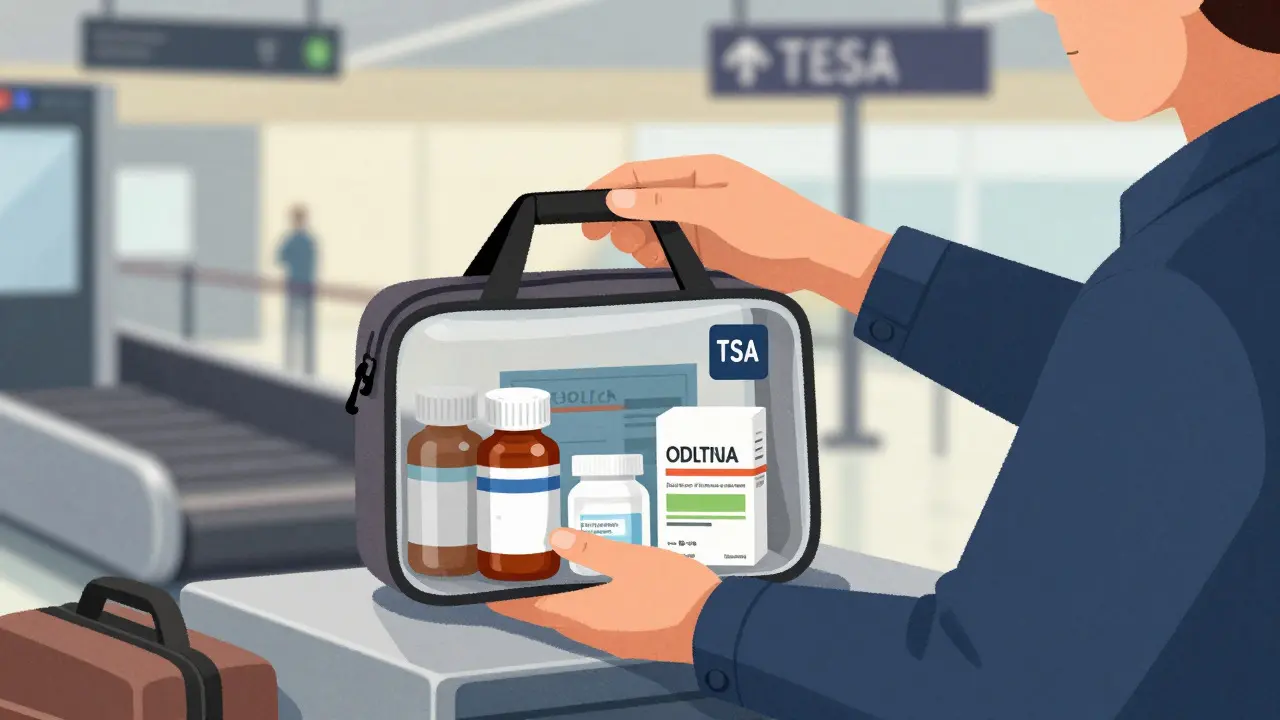
The first hurdle is usually the Transportation Security Administration (TSA) checkpoint. Many travelers still believe they must fit all liquids into a single quart-sized bag. While that rule applies to shampoo and sunscreen, it does not apply to medically necessary liquids. As of 2025, TSA protocols allow you to bring reasonable quantities of liquid medications, gels, and aerosols that exceed the standard 3.4-ounce limit. You don’t need to put them in the plastic bag, but you do need to declare them to the officer before screening begins.
| Item Type | Quantity Limit | Packing Requirement | Declaration Needed? |
|---|---|---|---|
| Standard Liquids (Shampoo, etc.) | 3.4 oz (100ml) per container | Quart-sized clear bag | No |
| Liquid Medications | Reasonable quantity for trip | Separate from other liquids | Yes, tell officer |
| Solid Pills/Capsules | No limit | Carry-on recommended | No, unless asked |
| Ice Packs for Meds | As needed | Must be frozen solid | Yes, if gel-based |
Solid pills face no quantity restrictions, but experts strongly recommend keeping them in their original pharmacy-labeled containers. Data from Global Flow’s analysis of over 200 security encounters shows that medications in original containers reduce inspection rates by 63% compared to unlabeled pill organizers. Why? Because an officer can instantly verify what the substance is. If you transfer pills into a generic weekly organizer, you might be asked to open every compartment for additional screening, which wastes time and increases the risk of spillage.
If you use electronic medical devices like insulin pumps or continuous glucose monitors, keep them in your carry-on luggage. The Federal Aviation Administration (FAA) requires lithium batteries in these devices to remain accessible. Most power banks for medical gear must not exceed 100 watt-hours without airline approval. Always inform the TSA officer if you have a visible disability or a condition that requires special handling; the TSA Cares program offers sunflower lanyards and dedicated screening lanes that cut processing time significantly.
Keeping Medications Safe During Transit
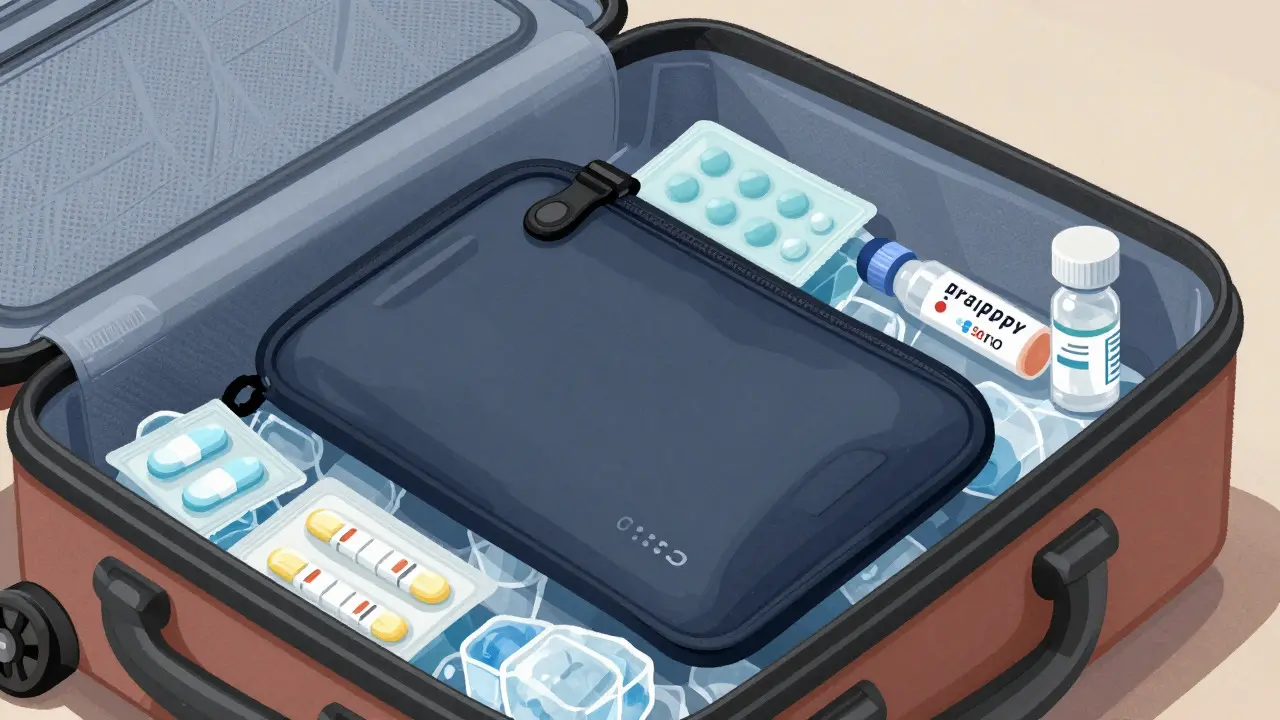
Once you pass security, the next threat is temperature. Your car trunk in July or a cargo hold in winter can destroy sensitive biologics. Insulin, for example, must stay between 36°F and 46°F (2°C-8°C) when stored unrefrigerated, though short-term exposure to slightly higher temps is often manageable if monitored. Biologics are even stricter, often requiring constant refrigeration.
Never rely on the airplane’s overhead bin or the hotel mini-fridge alone. Airlines frequently change cabin temperatures, and hotel fridges are often set too warm or too cold. Instead, invest in pharmaceutical-grade cooling wallets. These specialized cases maintain temperatures between 2°C and 8°C for up to 72 hours, even when ambient temperatures hit 40°C (104°F). According to the 2025 Diabetes Travel Survey, 73% of insulin users reported successful trips using these devices, compared to only 40% who relied on ice packs and zip-lock bags.
If you are carrying multiple types of medication, distribute them across different bags. Don’t put all your eggs in one basket. MIUSA’s 2025 guidelines suggest splitting your supply between your carry-on, your personal item, and perhaps a trusted travel companion’s bag. This strategy prevented treatment disruption for 92% of travelers who experienced lost luggage issues. It’s a simple heuristic: if one bag goes missing, you still have enough medicine to survive until you can buy more locally.
International Laws and Restricted Substances
This is where most travelers get caught off guard. Just because a drug is legal in the US doesn’t mean it’s legal in Japan, Thailand, or the UAE. International regulations vary wildly, and ignorance is rarely a valid defense in foreign courts.
Consider pseudoephedrine, the active ingredient in many cold medicines like Sudafed. In the US, it’s behind the pharmacy counter. In Japan, it’s prohibited entirely due to concerns about methamphetamine production. Similarly, benzodiazepines like alprazolam (Xanax) require prior authorization in Thailand. Bring some without paperwork, and you could face arrest. The International Narcotics Control Board (INCB) notes that 28% of countries restrict at least one common US prescription, including hydrocodone, oxycodone, and zolpidem (Ambien).
Stimulants are another minefield. Amphetamine/dextroamphetamine (Adderall) and lisdexamfetamine (Vyvanse) are banned outright in 17 countries, including France and Sweden. If you take ADHD medication, you cannot simply pack it and go. You need a doctor’s letter, proof of diagnosis, and sometimes pre-approval from the destination’s health ministry.
| Medication Class | Examples | Restriction Level | Key Countries Affected |
|---|---|---|---|
| Stimulants | Adderall, Vyvanse | Banned or Strictly Controlled | France, Sweden, UAE, Saudi Arabia |
| Decongestants | Sudafed (Pseudoephedrine) | Prohibited | Japan, Qatar, Kuwait |
| Opioids | Codeine, Oxycodone | Strict Prescription Required | UAE, Singapore, Thailand |
| CBD Products | Hemp Oil, CBD Gummies | Banned (Zero Tolerance) | Singapore, Dubai, Malaysia |
CBD products present a unique contradiction. The TSA permits hemp-derived CBD with less than 0.3% THC domestically. However, 29 countries, including Singapore and Dubai, maintain zero-tolerance policies regardless of THC content. Bringing a jar of CBD gummies to Singapore can result in severe criminal charges. Always check the INCB’s latest country-specific database before packing anything derived from cannabis.
Documentation: Your Legal Shield
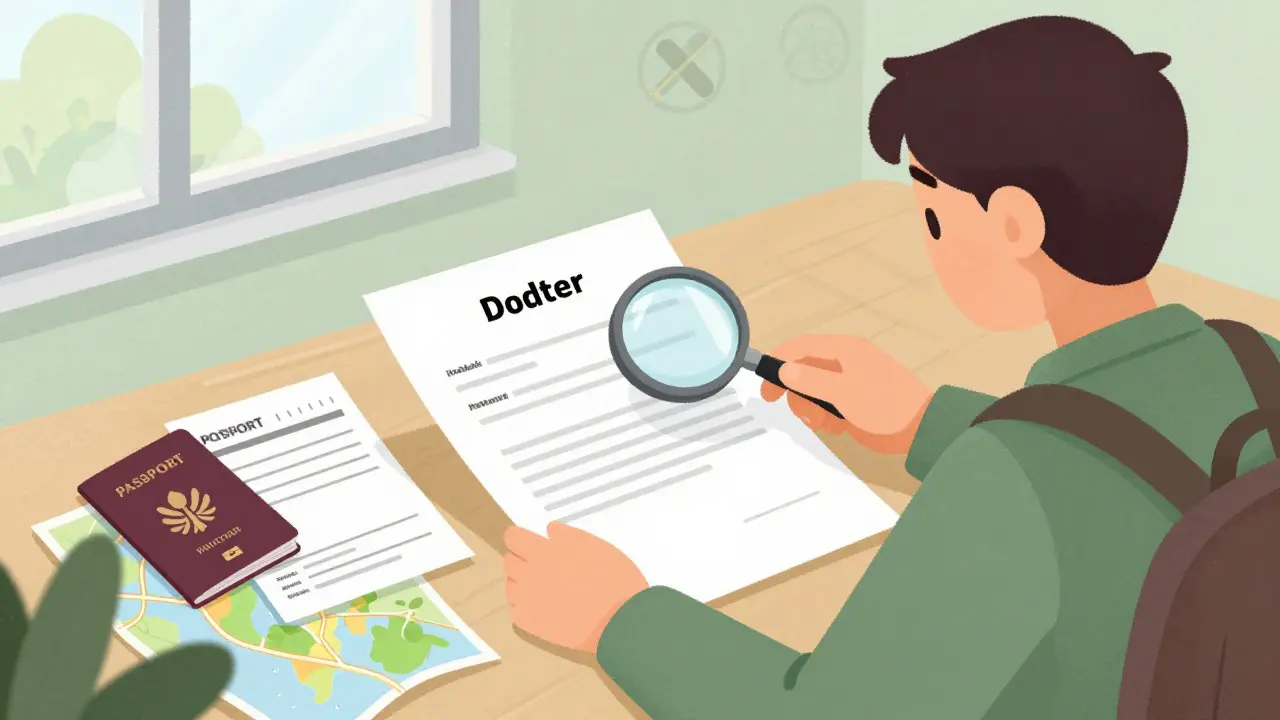
To protect yourself, documentation is non-negotiable. A doctor’s letter detailing your medical necessity is recommended for 100% of international travel by the CDC. This letter should include your name, the doctor’s contact information, a list of all medications (generic and brand names), dosages, and a statement that the medication is essential for your health.
Keep this letter in your carry-on, separate from the medication itself. If you are traveling to a non-English speaking destination, consider getting the letter translated into the local language. For 83% of non-English speaking destinations, translated documentation is essential for smooth customs clearance. Additionally, carry a copy of your prescription. While the FDA allows foreign nationals to bring a 90-day supply of medication, having the original prescription helps prove legitimacy if questioned.
For controlled substances, the process is stricter. The DEA coordinates with the FDA under specific regulations (21 CFR § 1301.22) to allow imports for personal use, but you may need to contact the embassy of your destination country weeks in advance. Dr. Emily Chen, a CDC Travel Health Specialist, advises that determining medication legality before travel is critical because "even non-controlled US medications may be prohibited internationally."
Managing Refills and Extended Stays
What happens if your trip runs longer than expected? Or if you lose your medication? Relying on tourist pharmacies can be risky due to counterfeit drugs or different formulations. If you are staying beyond 90 days, you should arrange for mail shipments from your home pharmacy. The FDA’s Personal Importation policy allows this, provided you include a visa/passport copy, a doctor’s letter, and an English prescription copy with the shipment.
Customs and Border Protection (CBP) confirms that additional medication may be sent for extended stays, but timing is key. Mail services can be slow, so send refills well in advance. Alternatively, research reputable local pharmacies in your destination city before you arrive. In Europe, for instance, pharmacists have significant authority and can often advise on equivalent generics available locally. In Asia, hospital pharmacies are generally safer than street-side vendors.
Always carry a digital backup of your prescriptions and insurance cards. Apps like MyMedTracker or simple cloud storage solutions ensure you have access to your records even if your physical documents are lost. This digital redundancy is increasingly important as 31 countries now accept electronic prescription copies, up from just 12 in 2023.
Final Checklist Before You Fly
Before you head to the airport, run through this quick mental checklist:
- Check Destination Laws: Use the INCB website or contact the embassy to verify if any of your meds are restricted.
- Original Containers: Keep pills in pharmacy-labeled bottles to speed up TSA screening.
- Doctor’s Letter: Carry a signed letter explaining your condition and medications.
- Temperature Control: Pack cooling wallets for insulin or biologics; never trust checked baggage for temperature-sensitive items.
- Distribute Supply: Split your medication between carry-on and personal items to mitigate loss risk.
- Declare Liquids: Tell TSA officers about liquid meds before screening starts.
Traveling with medication doesn’t have to be a source of anxiety. By respecting the rules, preparing the right documents, and using smart storage solutions, you can focus on your journey rather than your pharmacy bag. Safety isn’t just about avoiding theft; it’s about ensuring your health remains stable wherever you land.
Can I bring liquid medication through TSA?
Yes. TSA allows medically necessary liquids in reasonable quantities exceeding the 3.4-ounce limit. You must declare them to the officer before screening, but they do not need to be in the quart-sized bag.
Is Adderall legal to travel with internationally?
It depends on the country. Adderall is banned in 17 countries, including France and Sweden. In others, it is strictly controlled. Always check with the destination embassy and carry a doctor’s letter and proof of prescription.
Should I pack medication in my carry-on or checked bag?
Always pack medication in your carry-on. Checked bags can be lost, delayed, or exposed to extreme temperatures in the cargo hold that can ruin sensitive drugs like insulin.
Do I need a doctor's letter for traveling with medication?
While not always required for domestic travel, the CDC recommends a doctor’s letter for 100% of international travel. It serves as proof of medical necessity and can help avoid confiscation or legal issues abroad.
Can I bring CBD oil on an international flight?
Be very careful. While TSA permits low-THC CBD domestically, many countries like Singapore and Dubai have zero-tolerance policies. Check the INCB database for your specific destination before packing any cannabis-derived products.