The Hidden Trio: How Obesity, Diabetes, and Sleep Apnea Fuel Heart Disease
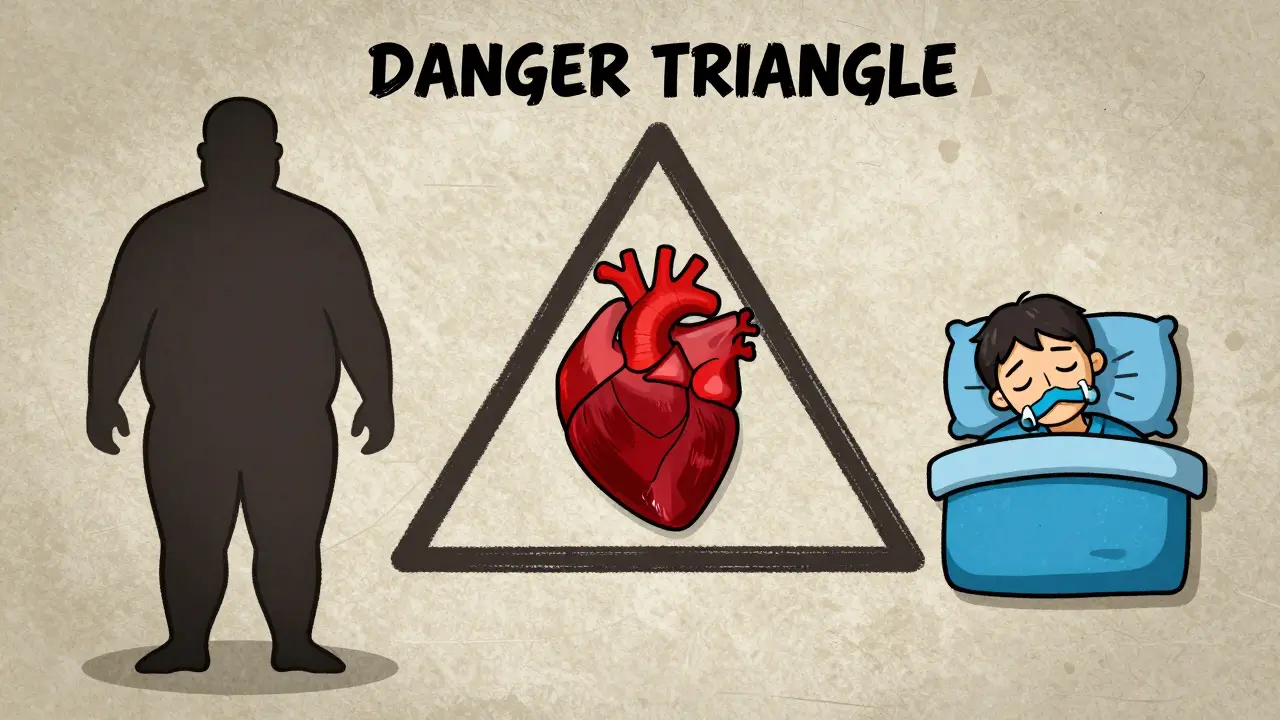
You might think that carrying extra weight is just a cosmetic issue or a minor inconvenience when it comes to buying clothes. But your body tells a different story. When you have obesity-defined by the World Health Organization as having a body mass index (BMI) of 30 kg/m² or higher-it acts like a spark in a dry forest. It doesn't just sit there; it actively fuels a chain reaction of health problems. Specifically, it creates a dangerous triangle involving type 2 diabetes, heart disease, and obstructive sleep apnea. These three conditions don't just happen to coexist; they feed off each other, creating a cycle that can be hard to break without targeted intervention.
The Silent Partner: Why Sleep Apnea Matters
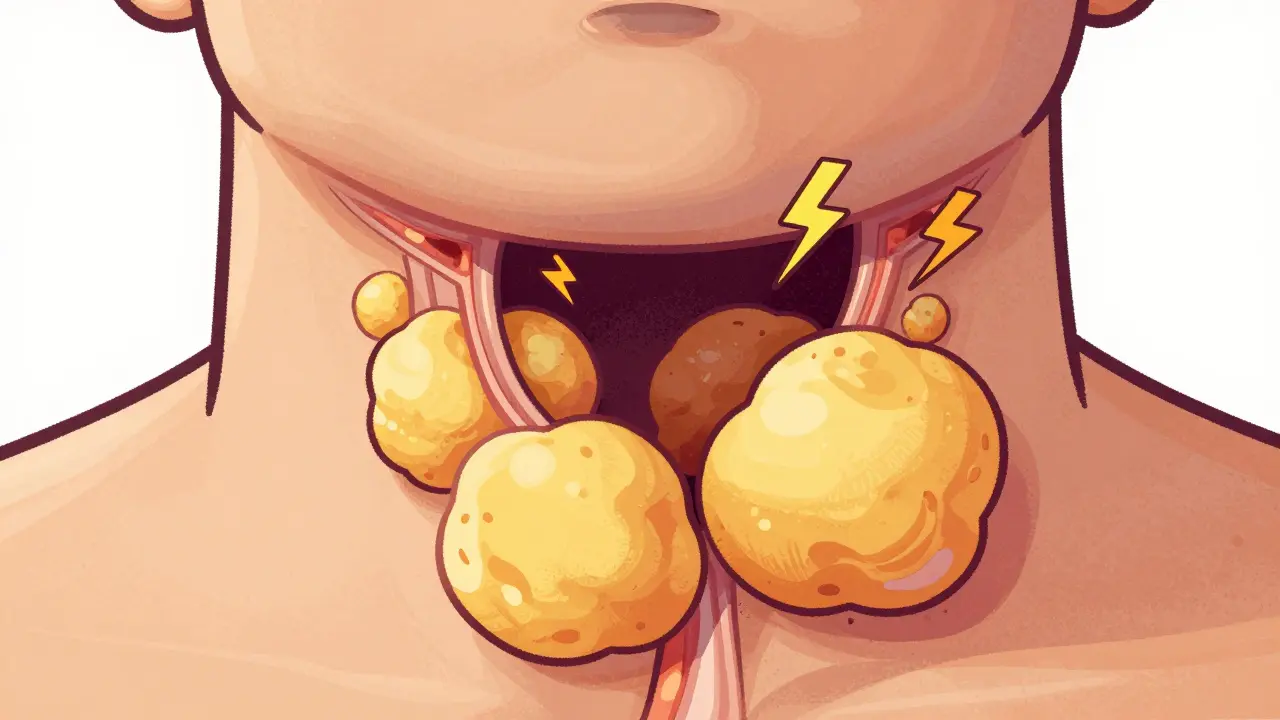
We often hear about diet and exercise for heart health, but we rarely talk about sleep. Yet, Obstructive Sleep Apnea (OSA) is a disorder where breathing repeatedly stops and starts during sleep due to airway blockage is the missing link for many people struggling with weight and blood sugar. If you are obese, your risk of developing OSA skyrockets. In fact, for every single unit increase in your BMI, your risk of getting OSA goes up by 14%. This isn't just about snoring loudly enough to wake your partner. It's about structural changes in your neck and throat. Fat deposits build up around your upper airway, narrowing it by 20-30% compared to someone with a normal weight. When you lie down, this narrow passage collapses, stopping your breath.
Here is why this matters for your daytime health: when your breathing stops, your oxygen levels drop. Your brain panics and jolts you out of deep sleep to restart breathing. You might not even remember waking up, but your body releases stress hormones like adrenaline. Over time, these nightly micro-stressors keep your blood pressure high and make your cells resistant to insulin. A study published in the Sleep Medicine Reviews found that severe OSA increases the risk of developing type 2 diabetes by 60%, independent of your weight. So, treating your sleep isn't just about feeling rested; it’s a direct line to better metabolic health.
The Metabolic Trap: Diabetes and Insulin Resistance
Type 2 Diabetes Mellitus (T2DM) is a chronic condition characterized by high blood sugar levels due to insulin resistance is closely tied to how your body stores fat. Excess adipose tissue isn't just inert storage; it's biologically active. It sends out inflammatory signals, raising markers like C-reactive protein and interleukin-6 by 30-50% in obese individuals. This chronic, low-grade inflammation makes your cells ignore insulin, the hormone that unlocks them to let sugar in for energy. The result? Sugar stays in your bloodstream, damaging blood vessels and nerves over time.
This relationship works both ways. High blood sugar can damage the nerves that control the muscles in your upper airway, making them weaker and more likely to collapse during sleep. This means diabetes can actually worsen sleep apnea, which in turn makes diabetes harder to manage. It’s a vicious loop. According to the American Diabetes Association, between 60% and 80% of people with type 2 diabetes have undiagnosed sleep apnea. If you are managing diabetes and still struggling with high HbA1c levels despite medication and diet, uncontrolled sleep apnea might be the hidden culprit keeping your numbers elevated.
The Final Blow: Cardiovascular Strain
Your heart has to work overtime when you carry the burden of this triad. Obesity alone forces the heart to pump harder to supply blood to a larger body, leading to left ventricular hypertrophy-an enlargement of the heart muscle that can stiffen and fail over time. Add in the nightly blood pressure surges from sleep apnea, which can spike systolic pressure by 15-25 mmHg, and the accelerated artery-clogging effects of diabetes, and you have a perfect storm for Cardiovascular Disease (CVD) is a class of diseases that involve disorders of the heart or blood vessels.
The statistics are stark. Individuals who have obesity, sleep apnea, and diabetes face a 3.7-fold higher risk of heart failure compared to those without these conditions. A 2024 study using Mendelian randomization confirmed that obesity increases the risk of atrial fibrillation (an irregular heartbeat) largely through its effect on sleep apnea. Untreated OSA in obese diabetic patients increases cardiovascular mortality by 86% compared to those without OSA. This isn't just about preventing a heart attack; it's about keeping your heart rhythm stable and your blood vessels clear.
Breaking the Cycle: Treatment Strategies That Work
The good news is that because these conditions are interconnected, treating one often helps the others. However, a "one-size-fits-all" approach usually fails. You need a coordinated strategy.
| Intervention | Impact on Sleep Apnea (AHI) | Impact on Diabetes (HbA1c) | Impact on Heart Health |
|---|---|---|---|
| CPAP Therapy | Reduces events significantly with consistent use | May lower HbA1c by ~0.8% if used consistently | Reduces major cardiac events by 28-34% |
| Lifestyle Weight Loss | Losing 10-15% body weight cuts AHI by ~50% | Improves insulin sensitivity and lowers glucose | Reduces blood pressure and cardiac strain |
| Bariatric Surgery | 78% remission rate for OSA after gastric bypass | Often leads to diabetes remission | Dramatic long-term reduction in CVD risk |
| GLP-1 Agonists (e.g., Semaglutide) | Reduces upper airway fat, improving airflow | Significant HbA1c reduction | Proven cardiovascular benefits in trials |
Continuous Positive Airway Pressure (CPAP) remains the gold standard for treating moderate to severe sleep apnea. By keeping your airway open with gentle air pressure, CPAP stops the oxygen drops and stress spikes at night. Studies show that using CPAP for 4-6 hours a night can reduce cardiovascular events by nearly a third. However, adherence is tricky. Many people find the mask uncomfortable. Newer options like hypoglossal nerve stimulators (implanted devices that stimulate tongue movement) offer an alternative for those who can't tolerate CPAP, showing a 79% success rate in reducing apnea severity.
Weight loss is powerful, but it needs to be sustainable. Losing just 10% of your body weight can cut your sleep apnea severity in half. Intensive lifestyle programs combining 175 minutes of weekly exercise with a calorie-controlled diet (1,200-1,800 kcal/day) have proven effective. For those with severe obesity, bariatric surgery offers the most dramatic results, with nearly 80% of patients seeing their sleep apnea go into remission. However, surgery carries risks and requires lifelong dietary changes.
Newer medications, specifically GLP-1 receptor agonists like semaglutide, are changing the game. Recent trials show these drugs do more than just help you lose weight; they directly reduce fat deposits in the upper airway, improving breathing independently of weight loss. This dual action makes them a promising tool for breaking the triad.

Screening and Early Detection
Most people with this triad are unaware they have sleep apnea. Doctors often focus solely on blood sugar or cholesterol, missing the sleep component. If you have a BMI over 30 and type 2 diabetes, you should be screened for OSA. The STOP-Bang questionnaire is a simple screening tool used to assess the risk of obstructive sleep apnea is widely used for this purpose. It asks about Snoring, Tiredness, Observed apneas, Pressure (high blood pressure), BMI, Age, Neck circumference, and Gender. A score of 3 or higher suggests you need a formal sleep study (polysomnography).
Don't wait for symptoms to become unbearable. Daytime sleepiness, morning headaches, and unexplained fatigue are red flags. If you're driving and catching yourself drifting off, or if your partner mentions you stop breathing at night, speak to your doctor immediately. Early detection of OSA can prevent the progression to severe heart disease and improve your diabetes control.
Living with the Triad: Practical Next Steps
Managing this combination of conditions feels overwhelming, but you don't have to tackle it all at once. Start with a sleep evaluation. If you are diagnosed with OSA, commit to treatment. Even imperfect use of CPAP is better than none. Pair this with realistic weight management goals. Aim for gradual loss rather than crash diets. Consult with a team that includes an endocrinologist, a sleep specialist, and a cardiologist. Integrated care models, like those used by large health systems, have shown to reduce hospitalizations by 22% by tracking all three conditions simultaneously.
Remember, obesity is not a moral failing; it's a complex medical condition. The comorbidities of diabetes, heart disease, and sleep apnea are physiological responses to excess weight and inflammation. By addressing the root causes-particularly sleep quality and metabolic health-you can disrupt the cycle and reclaim your energy and longevity.
What is the connection between obesity and sleep apnea?
Obesity increases the risk of obstructive sleep apnea (OSA) by causing fat deposits to accumulate around the upper airway, particularly in the neck and throat. This narrows the airway diameter by 20-30%, making it more likely to collapse during sleep. For every 1-unit increase in BMI, the risk of developing OSA rises by approximately 14%.
Can treating sleep apnea help with diabetes?
Yes. Untreated sleep apnea causes intermittent drops in oxygen levels, which triggers stress hormones and increases insulin resistance. Studies show that consistent use of CPAP therapy can reduce HbA1c levels by an average of 0.8% in obese patients with type 2 diabetes, helping to better control blood sugar.
How much weight loss is needed to improve sleep apnea?
Losing just 10-15% of your total body weight can reduce the severity of sleep apnea by about 50%. More significant weight loss, such as that achieved through bariatric surgery, can lead to complete remission of OSA in up to 78% of cases.
Why is the 'obesity triad' dangerous for the heart?
The combination of obesity, type 2 diabetes, and sleep apnea creates a compounding effect on cardiovascular health. Obesity strains the heart muscle, diabetes damages blood vessels, and sleep apnea causes nightly blood pressure spikes. Together, they increase the risk of heart failure by 3.7 times and cardiovascular mortality by 86% compared to individuals without these conditions.
Should I be screened for sleep apnea if I have diabetes?
Absolutely. The American Diabetes Association recommends screening for OSA in all patients with type 2 diabetes, especially those with a BMI over 30. Up to 80% of people with T2DM have undiagnosed sleep apnea, which can worsen their blood sugar control and heart health.
Wow.!! This is really eye-opening.!! I never realized how much sleep apnea affects blood sugar levels.!! It makes total sense now why my dad struggled with his diabetes meds.!!
This article highlights the critical pathophysiological interplay between adiposity, metabolic dysregulation, and respiratory compromise.!! The inflammatory cytokines like IL-6 are key drivers here.!! We must advocate for holistic clinical interventions that address this triad simultaneously to optimize patient outcomes and mitigate cardiovascular morbidity.!! It is truly encouraging to see such comprehensive data on GLP-1 agonists improving upper airway patency independent of weight loss alone.!!
i mean yeah but its hard to just start sleeping better when you dont even know you have it. my partner says i snore loud but i feel fine during the day mostly. maybe ill try that stop-bang thing.
We often view these conditions in isolation, yet they form a cohesive narrative of systemic stress. The body is not merely failing; it is responding to chronic overload. Recognizing sleep as a metabolic pillar changes everything. We must approach health not as a series of battles against symptoms, but as a restoration of balance. The connection between night-time oxygen deprivation and daytime insulin resistance is profound. It reminds us that rest is not passive. It is active repair. When we ignore the silence of the night, we pay for it in the daylight hours. Let us embrace this knowledge with compassion for ourselves and others. Understanding the mechanism empowers us to break the cycle.
Hey everyone! 🌟 Just wanted to chime in because this stuff is super important and honestly kind of scary if you think about it too much, but also really hopeful because there are actual solutions out there now that work pretty well if you stick with them! 😊 So, like, CPAP is great but yeah, masks are annoying, right? But did you know that newer devices are getting way more comfortable, and some people even get those nerve stimulators which are kinda cool tech-wise? 🤖 And oh man, the part about losing just 10% of your weight cutting apnea severity by half is huge motivation! 💪 It’s not about being perfect, it’s about making progress, and every little bit helps your heart and your brain so much! ❤️🩹 Plus, with meds like semaglutide helping with both weight and airway fat, it feels like we’re finally cracking the code on this triad thing, so don’t give up hope, folks! 🚀
The average person simply lacks the discipline to adhere to any of these protocols. They would rather complain than use a CPAP machine or actually lift a finger to lose weight. It is pathetic how society coddles this behavior instead of demanding accountability. The medical establishment enables this by offering 'treatments' that require effort, knowing full well most will fail. Real change only comes from strict adherence to lifestyle modifications, not magic pills. Most people reading this will ignore it and continue their decline.
I completely agree with the need for integrated care models mentioned in the post. It is so frustrating when doctors treat each condition separately without seeing the whole picture. My cousin had high blood pressure and was diagnosed with diabetes, but nobody checked his sleep until he started passing out at work. Once they treated the apnea, his numbers improved significantly. It really shows how interconnected our health systems are. We need more awareness campaigns to help people recognize these hidden links before it’s too late. Early screening should be standard for anyone with obesity or type 2 diabetes.
Please keep discussions respectful and focused on the medical facts presented.