Smart Pill Dispensers: How to Overcome Medication Forgetfulness

Smart pill dispensers are smart pill dispensers devices that help people remember to take medications on time using alarms, notifications, and tracking features.. Every year, medication non-adherence costs the U.S. healthcare system between $100 billion and $300 billion. Forgetting to take pills isn't just a minor inconvenience-it can lead to hospitalizations, worsening health conditions, and even death.
The Problem: Why Forgetting Medication Matters
Eighty-nine percent of seniors over 65 take at least one prescription medication, and 54% take four or more. This situation, known as polypharmacy, creates a cognitive burden that leads to dangerous adherence issues. Missing doses can cause health problems to worsen, increase hospital visits, and even lead to death. The problem isn't just about forgetting-it's about the ripple effects on overall health and healthcare costs.
How Smart Pill Dispensers Work
Smart pill dispensers tackle forgetfulness through technology. Some devices are caps that fit onto standard pill bottles. They track when the cap is opened and send alerts if a dose is missed. Others are full dispensers that automatically release pills at set times. Sensors detect when compartments open, and alarms or notifications remind users. Many sync with apps or use cellular connectivity for remote monitoring. For example, AdhereTech's Aidia Smart Bottle uses weight sensors to measure medication levels and sends notifications if a dose isn't taken. These features create multiple layers of reminders, making it harder to forget.
Top Solutions Compared
Not all smart pill dispensers are the same. Here's how leading models stack up:
| Device | Key Features | Cost | Best For |
|---|---|---|---|
| AARDEX Group's Pill Connect | Hidden sensors in cap, detailed adherence analytics, MEMS software integration | $299 + $49/month | Clinical trials, detailed tracking |
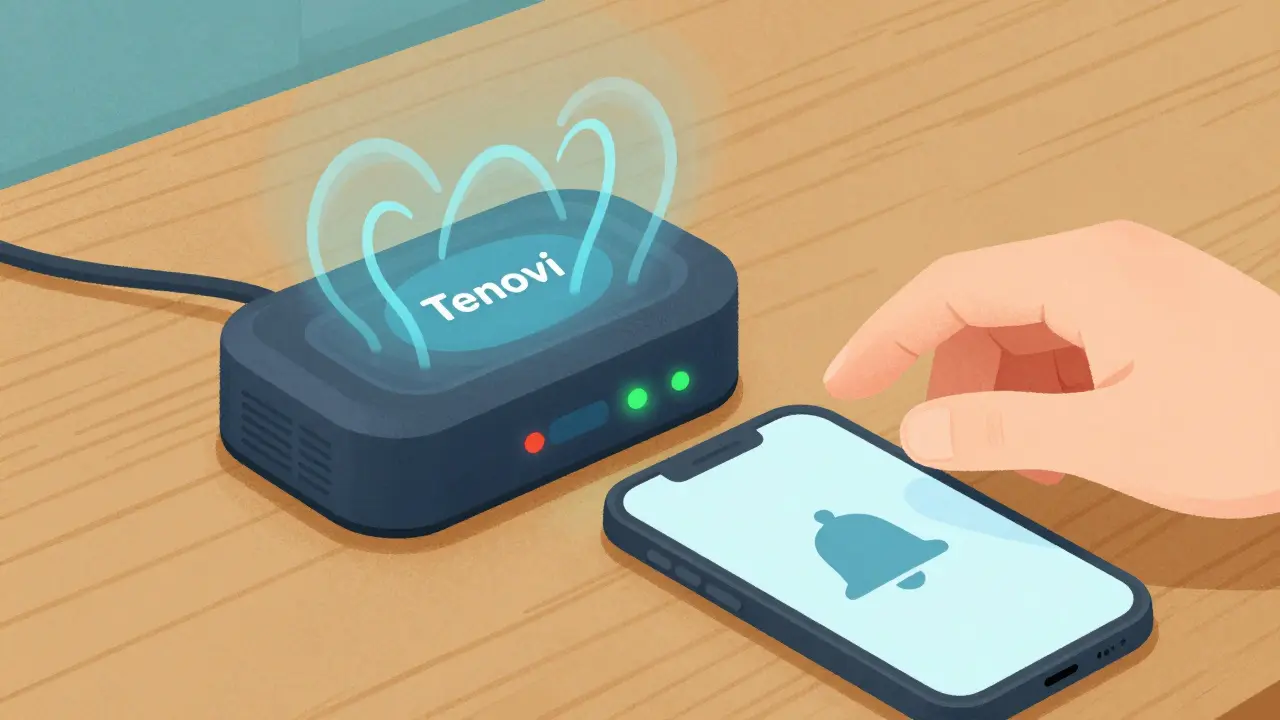
| Tenovi Cellular Pillbox | Cellular connectivity, no app needed, visual indicators | $199 + $29/month | Seniors who avoid apps, care facilities |
| Hero Health Automatic Dispenser | Flashing lights, audible alarms, remote monitoring | $499 | Complex regimens, seniors with hearing loss |
| AdhereTech Aidia Smart Bottle | Cellular-connected cap, weight sensors, 'why missed' feature | $149 + $39/month | Personalized interventions, easy setup |
| MedQ Electronic Dispenser | Repeating alarms every 30 minutes, locked compartments | $129-$249 | Dementia patients, overdose prevention |
Choosing the Right Device for You
Selecting the best smart pill dispenser depends on your needs. Cost is a big factor-some require monthly subscriptions, which can add up. If you or a loved one struggles with technology, devices like Tenovi's Cellular Pillbox work without apps. For those with hearing issues, Hero Health's customizable alarms and flashing lights provide clear reminders. If you're managing complex medication schedules, features like AdhereTech's 'why missed' prompts help address underlying reasons for non-adherence. Always consider support quality; AdhereTech's 24/7 clinical support gets high marks, while budget options like MedQ often have slower response times.
Real User Experiences
User stories highlight both the benefits and challenges. On Reddit's r/eldercare, a caregiver named 'CaregiverInMA' shared that their mother's adherence jumped from 60% to 98% after using Hero Health's dispenser. "The 30-minute repeating alarms literally saved her life during a UTI scare," they wrote. Tenovi's Trustpilot profile shows 4.7 out of 5 stars from 187 reviews, with many praising the no-app-needed design. However, negative experiences exist too. Amazon reviews for MedQ mention alarms that are too quiet for hard-of-hearing users. AdhereTech's iOS app has a 2.8-star rating due to connectivity issues. One Reddit user even admitted they "gamed" their Pill Connect system by opening the dispenser without taking the pill-showing that no technology can force actual ingestion.

Expert Advice and Future Trends
Experts agree these devices work but caution against over-reliance. Dr. Michael George of the CDC stated in a 2017 report that "smart adherence technologies represent one of the most promising interventions for addressing the $300 billion annual problem of medication non-adherence." A 2022 study in the Journal of Medical Systems found patients using AdhereTech's solution had 92.3% adherence compared to 67.8% in control groups. However, Dr. Rebecca Chen of Johns Hopkins warned in JAMA Internal Medicine that "over-reliance on technology without addressing underlying causes like cost or side effects can exacerbate health disparities." Looking ahead, CMS's 2024 rule expanding Medicare coverage for adherence technologies is expected to boost adoption. Future innovations like MIT's edible sensors for ingestion confirmation (projected 2025 launch) aim to solve the "did they actually take it?" problem.
Frequently Asked Questions
Are smart pill dispensers covered by insurance?
Some Medicare Advantage plans now cover smart pill dispensers, especially those that reduce hospitalizations. Check with your provider-coverage varies. Medicaid and private insurers may also cover them under specific circumstances, like for patients with chronic conditions. Always ask about out-of-pocket costs before purchasing.
How do I know which device is right for me?
Consider your specific needs: Do you need alarms for hearing loss? Do you prefer no app setup? For complex regimens, look for devices with detailed tracking like AARDEX Group's Pill Connect. For dementia patients, locked dispensers like MedQ prevent overdosing. If you want personalized insights, AdhereTech's 'why missed' feature helps. Start by talking to your pharmacist or doctor-they can recommend options based on your medication schedule and health needs.
What if I miss a dose?
Most smart dispensers send multiple reminders (like flashing lights or text alerts) if you miss a dose. Some, like AdhereTech, ask why you missed it-helping identify issues like side effects or cost barriers. Others, like Hero Health, can notify caregivers remotely. However, the device can't force you to take the medication; it's up to you to respond to the alerts. Consistent use of the device is key to improving adherence.
Can these devices prevent overdoses?
Yes, locked dispensers like MedQ's models prevent overdosing by only releasing doses at scheduled times. They're especially useful for dementia patients who might take extra pills. However, not all smart dispensers have locking features-some just send reminders. If overdose prevention is a concern, choose a device with physical locks and compartment control.
Do I need a smartphone to use them?
Not all do. Tenovi's Cellular Pillbox works without any app-cellular connectivity handles reminders. AdhereTech's Aidia Smart Bottle has a mobile app but can also send text alerts. However, devices like AARDEX Group's Pill Connect require app integration for full functionality. If you or a loved one isn't comfortable with smartphones, look for options with cellular connectivity or simple visual indicators like Tenovi's red/green lights.
Smart pill dispensers significantly improve adherence rates. A 2022 study found 92.3% adherence with AdhereTech vs 67.8% control. But cost and accessibility remain barriers for many.
These gadgets are a waste of money. The US should focus on cheaper solutions instead of importing expensive foreign tech. 🤷♀️
MEMS integration in pill dispensers provides robust adherence data but raises privacy concerns Cost-benefit analysis unclear for many users Data security protocols must be prioritized
These devices are part of a government surveillance scheme. They track your medication and share data with Big Pharma. No wonder they're pushing these gadgets. 🤖
While these devices may seem beneficial they are merely a band-aid solution. True progress requires systemic change in healthcare infrastructure. The current approach is superficial at best.
I see your point about systemic issues but these devices do help individuals right now. Even small improvements in adherence can save lives. Let's not dismiss them entirely.
I agree that systemic change is needed but these devices are a practical step forward. They're already making a difference for many patients.
Totally agree! These devices are a game changer. I've seen them help my grandma take meds on time. Even with a typo here the impact is real. 🙌
Totally agree My mom uses one and it saved her life 🌈✨🙏
It's imperative to address the root causes of medication non-adherence rather than relying on technological crutches. Many seniors lack the cognitive ability to use these devices properly. This is a failure of the healthcare system.
I've seen these devices work wonders in India. They're affordable there and really help seniors. Different countries need different solutions.