Sinusitis: Viral vs. Bacterial and When Antibiotics Actually Help
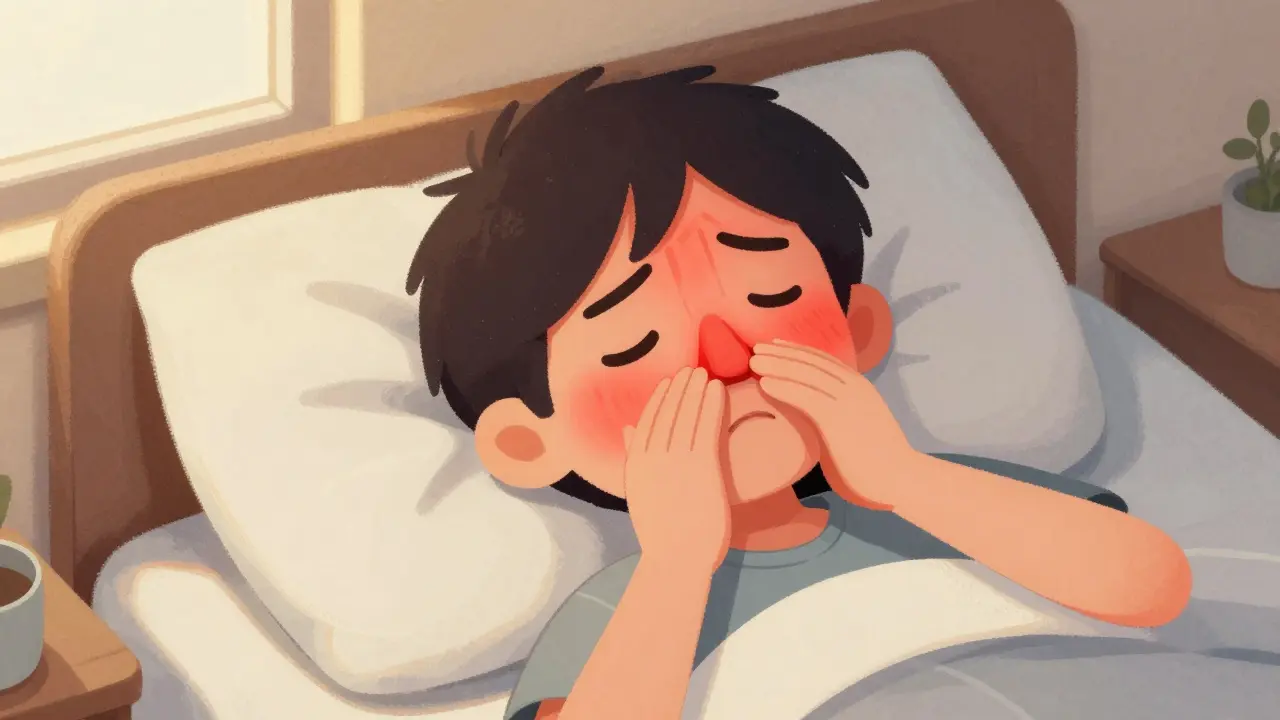
Waking up with a pounding headache, a stuffed-up nose, and a face that feels like it's in a vice is miserable. Your first instinct is probably to call the doctor and ask for antibiotics to "clear it out." But here is the reality: about 90% to 98% of acute sinus infections are caused by viruses, not bacteria. Taking antibiotics for a viral infection is like using a hammer to fix a software glitch-it doesn't work, and it might actually break something else in the process.
Understanding the difference between viral and bacterial sinusitis is the only way to get the right treatment. If you treat a virus with antibiotics, you're not just wasting money; you're risking a Clostridioides difficile infection, a severe gut inflammation that can lead to hospitalization. Let's break down how to tell what you're actually dealing with and when it's time to reach for the prescription pad.
How to Tell if Your Sinus Infection is Viral or Bacterial
The biggest mistake people make is assuming that yellow or green mucus automatically means you need antibiotics. It doesn't. Mucus changes color because your immune system is fighting, regardless of whether the invader is a virus or a bacterium.
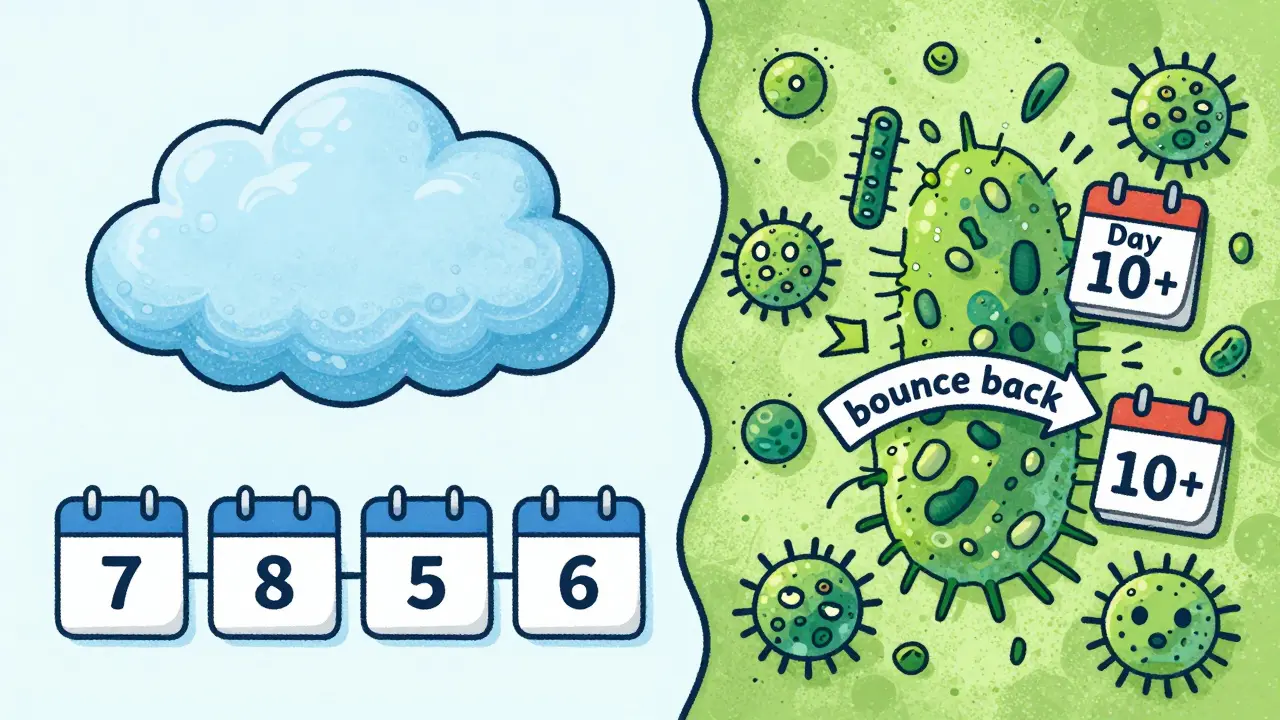
To figure out the cause, look at the timeline and the pattern of your symptoms. A viral sinus infection usually peaks around day 3 to 5 and then slowly gets better over the next week. If you're feeling slightly better by day 7, you're likely on the right track.
Bacterial sinusitis, on the other hand, follows one of two paths. First, there's the "long haul," where symptoms last more than 10 days without any sign of improvement. Second, there's the "double-worsening" pattern. This is when you start to feel better for a few days, but then suddenly crash around day 6 or 7 with a returning fever and worse nasal congestion. This "bounce back" is a huge red flag that bacteria have taken over.
| Feature | Viral Sinusitis | Bacterial Sinusitis |
|---|---|---|
| Duration | 7-10 days; gradual improvement | 10+ days or "double-worsening" |
| Mucus Color | Clear to white (usually) | Purulent (thick yellow-green) |
| Pain Level | Mild facial pressure | Severe unilateral pain or toothache |
| Fever | Low-grade or absent | Often higher (above 102°F) |
The Truth About Antibiotics: Do They Always Help?
Even when a case is bacterial, the benefit of antibiotics is sometimes smaller than we think. Some clinical reviews have shown that for mild bacterial cases, the difference in recovery time between an antibiotic and a placebo is modest. However, when the infection is severe or lasts for weeks, they become essential.
When doctors do prescribe them, the goal is to target the specific bacteria likely causing the problem, such as Streptococcus pneumoniae or Haemophilus influenzae. The current first-line choice is typically amoxicillin, often taken three times a day for 5 to 10 days. If you've had antibiotics recently, doctors might switch to amoxicillin-clavulanate to overcome potential resistance.
It's worth noting that some antibiotics, like macrolides, are now avoided as a first choice because too many bacteria have evolved to ignore them. This is why "antibiotic stewardship" is so important. Every time we take an unnecessary pill, we're essentially training bacteria to be stronger and harder to kill.
Managing Sinus Pressure Without Drugs
If you're in that first 10-day window, your goal isn't to "kill" the infection, but to support your body while it does the work. This is called supportive care, and it's often more effective for viral cases than any pill.
- Hydration: Drink at least 2-3 liters of water daily. This thins the mucus, making it easier to drain.
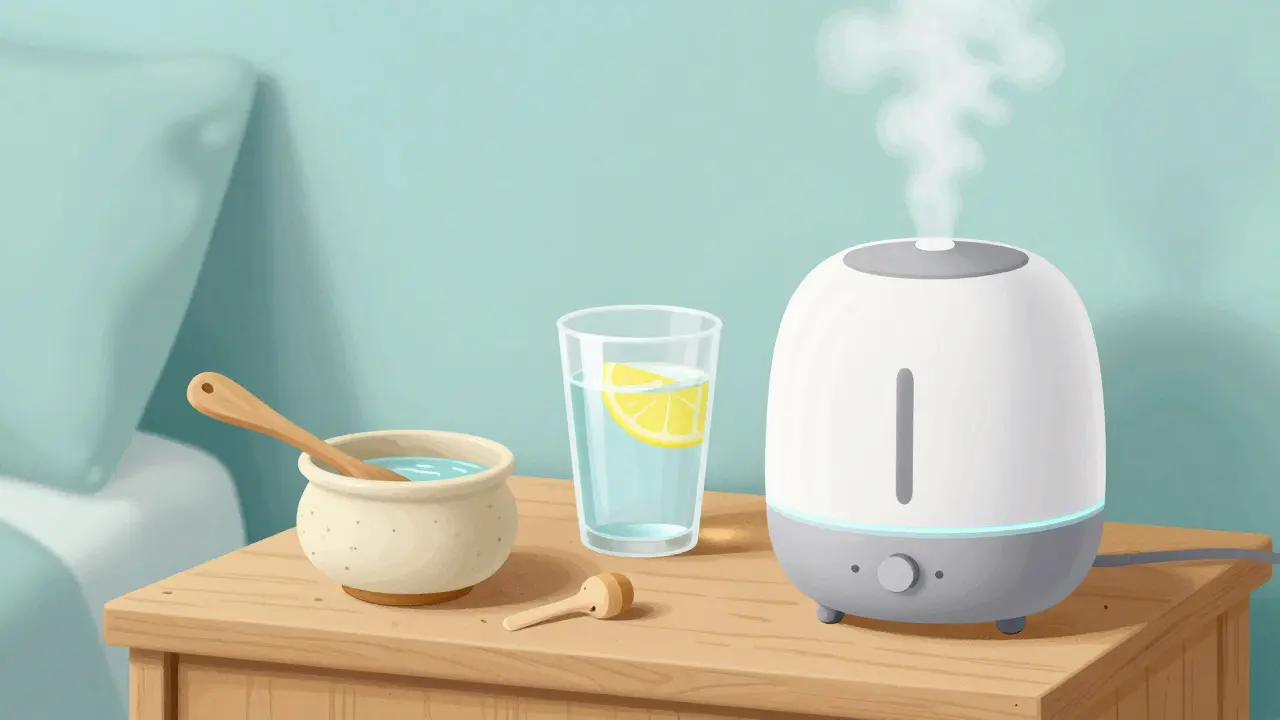
- Saline Irrigation: Use a neti pot or saline spray 2-3 times a day. This physically flushes out the mucus and allergens. Just remember to use distilled or boiled-and-cooled water-never tap water.
- Humidity: Keep your home humidity between 40% and 60%. A cool-mist humidifier in the bedroom prevents your nasal passages from drying out overnight.
- Pain Relief: Use ibuprofen (400-600mg) or acetaminophen (650-1000mg) every 6 hours to manage that heavy facial pressure.
For those who deal with this every year, nasal corticosteroids can be a game-changer. Some people have found that consistent use of these sprays, combined with daily saline rinses, eliminates the need for antibiotics entirely by keeping the sinus pathways open.
Red Flags: When to Stop Waiting and See a Doctor
While waiting 10 days is the standard advice, some symptoms mean you need medical attention immediately. These are not typical "cold" symptoms; they are signs that the infection may have spread beyond the sinuses.
Get a professional evaluation immediately if you experience:
- Vision Changes: Any blurring, double vision, or swelling/redness around the eyes.
- Severe Headache: A pain that doesn't respond to over-the-counter painkillers or feels fundamentally different from usual sinus pressure.
- High Fever: A temperature over 102°F that lasts more than three days.
- Stiff Neck: If you cannot touch your chin to your chest, this could indicate the infection has reached the meninges.
In these cases, doctors may use a CT scan to see if there's a complication. However, a CT scan isn't always necessary for a basic diagnosis, as many healthy people have "abnormal" looking sinuses on a scan without actually being sick.
The Future of Sinus Diagnosis
We're moving away from the "wait and see" approach. New tools are making it possible to know exactly what's causing the infection in minutes. For example, the FDA recently approved point-of-care tests like SinuTest™, which can detect bacterial pathogens with high accuracy right in the clinic.
There's also exciting research into nasal probiotics. Instead of killing all bacteria (including the good ones) with antibiotics, these therapies aim to balance the nasal microbiome to prevent infections from starting in the first place. Preliminary trials suggest this could reduce recurrent episodes by over 40%.
How long should I wait before taking antibiotics for a sinus infection?
Generally, you should wait 10 days. Most viral infections resolve on their own within this timeframe. If symptoms don't improve after 10 days, or if you experience a "double-worsening" (getting better then getting worse), it's time to see a doctor for possible bacterial treatment.
Does green mucus mean I have a bacterial infection?
No. The color of your mucus is caused by white blood cells fighting the infection. Both viral and bacterial infections can produce yellow or green mucus. Diagnosis depends more on the duration and progression of symptoms than the color of the discharge.
Can I use a neti pot if I have a sinus infection?
Yes, saline irrigation is highly recommended to flush out mucus. However, you must use distilled, sterile, or previously boiled water. Using untreated tap water can lead to rare but fatal brain infections from amoebas.
What are the risks of taking antibiotics unnecessarily?
The biggest risks include the development of antibiotic-resistant bacteria and the risk of C. difficile, a severe bacterial overgrowth in the colon that causes intense diarrhea and inflammation. It can be dangerous, especially for those with weakened immune systems.
Will a CT scan tell me if I need antibiotics?
Not necessarily. CT scans show the anatomy and fluid levels, but they can't tell the difference between a viral and bacterial cause. They are typically reserved for chronic cases or suspected complications rather than routine diagnosis.
Next Steps for Relief
If you're currently struggling with sinus pressure, start a symptom diary. Note when the symptoms started, the peak of the pain, and the color of the discharge. This helps your doctor make a much faster and more accurate decision about whether you need a prescription.
For those with chronic issues, focus on the long game. Invest in a high-quality saline irrigation system and talk to your provider about nasal corticosteroids. By managing the inflammation daily, you can often avoid the cycle of infections and the risks associated with repeated antibiotic use.
too long didnt read 🙄
It is truly fascinatng how the average person just blindly follows the prescriptions of their general practitiner without any reguard for the llong-term micro-biome degradation that occurs when one indiscriminately consumes amoxicillin for a simple viral prodrome, which is a concept most laypeople fail to grasp because they lack the intellectual rigour to distinguish between a common cold and a genuine bacterial infection.
Typical medical advice trying to keep us in the "wait and see" loop so the pharmaceutical companies can sell us those new "point-of-care" tests later! They just want us to suffer for 10 days while our immune systems are compromised so they can push more synthetic drugs on us. Don't trust the timeline, trust your gut and get out of the system!
Omg, imagine actually waiting 10 days while your face feels like it's exploding... just absolute torture!!! 🙄 I love how the medical world just says "drink some water and vibe with it" while you're literally dying inside!!!!
It's interesting to think about how we often want a quick fix for everything in life, but sometimes the most healing thing we can do is simply give our bodies the space and time to mend themselves. There's a certain peace in accepting the process of recovery rather than fighting it with chemicals.
One must acknowledge that the propensity for the general public to conflate mucopurulent discharge with bacterial colonization is a testament to the failure of basic biological education in the modern era. It is an elementary distinction that ought to be common knowledge, yet we find ourselves in a position where such rudimentary information must be disseminated via internet forums to prevent the catastrophic proliferation of antimicrobial resistance.
From a clinical perspective, focusing on the nasal microbiome is definitely the way forward. We need to shift the paradigm toward modulating the commensal flora to prevent the opportunistic colonization of pathogens. By optimizing the mucosal immunity through targeted probiotics, we can significantly reduce the systemic burden of recurrent rhinosinusitis and mitigate the need for broad-spectrum antimicrobial intervention.
Srsly tho, the double-worsening thing is a total nightmare. I had that last year and thought I was cured then BOOM, fever came back worse than ever. My doc almost missed it because he was too lazy to listen to the timeline. Totaly unacceptable!!
I wonder if different cultures have traditional ways of handling this without the neti pot. I've heard of some herbal steams used in other parts of the world that might be worth looking into alongside the saline rinses. It's always cool to see how different people approach the same problem.