Second-Generation Antihistamines: Safer, Non-Drowsy Options for Allergy Relief

Antihistamine Selector Tool
Find Your Perfect Antihistamine
Answer a few questions to get personalized recommendations for the second-generation antihistamine that works best for your symptoms and lifestyle.
Why Second-Generation Antihistamines Are the New Standard for Allergy Relief
If you’ve ever felt sluggish after taking Benadryl for allergies, you know why second-generation antihistamines became a game-changer. These medications were designed to do one thing better than their predecessors: block allergy symptoms without making you sleepy. Today, they’re the go-to choice for millions of people managing seasonal allergies, hives, or itchy skin-without needing to nap through the afternoon.
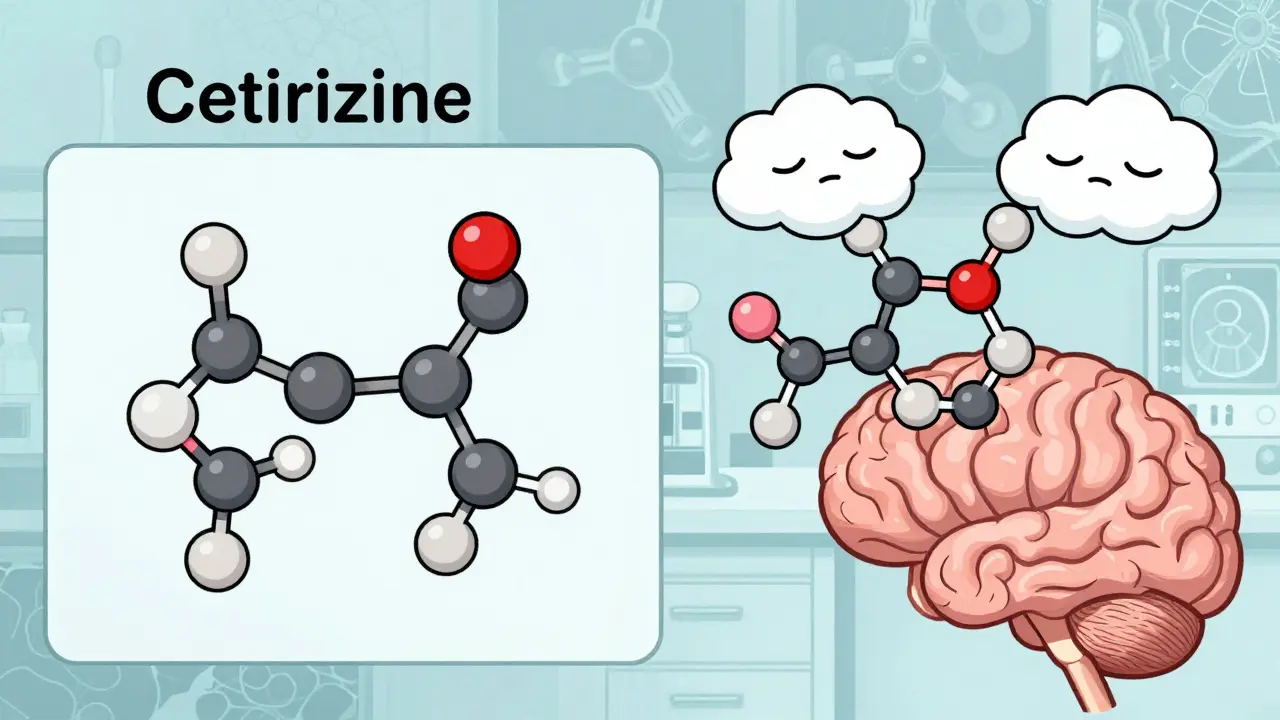
Unlike first-generation antihistamines like diphenhydramine or chlorpheniramine, which cross into the brain and cause drowsiness, second-generation options like cetirizine, loratadine, and fexofenadine are built to stay outside the blood-brain barrier. Their molecular structure is larger and more polar, making it harder for them to slip into the central nervous system. This isn’t just theory-it’s backed by cryo-EM imaging studies showing exactly how these drugs bind to histamine receptors in the body, not the brain.
How They Work (Without Making You Zonked)
Here’s the simple version: when you’re allergic to pollen, dust, or pet dander, your body releases histamine. That’s what triggers sneezing, itching, runny nose, and watery eyes. Antihistamines block histamine from binding to H1 receptors. First-gen drugs block those receptors everywhere-including in your brain. Second-gen drugs? They mostly stick to receptors in your nose, throat, and skin.
Studies show this makes a huge difference. Clinical trials report sedation rates of just 6-14% with second-generation antihistamines, compared to 50-60% with older ones. That’s why 68% of allergy sufferers in a 2023 Consumer Reports survey switched to these newer options. You can drive, work, or take care of kids without feeling like you’re in a fog.
And they last longer. While diphenhydramine wears off in 4-6 hours, most second-generation antihistamines work for 12-24 hours. That means one pill a day-no need to remember a midday dose. Cetirizine (Zyrtec) hits peak levels in about 1 hour and lasts up to 24 hours. Fexofenadine (Allegra) takes a bit longer to kick in but sticks around just as long. Loratadine (Claritin) is similar, with a half-life of 8-18 hours.
Which One Should You Try?
Not all second-generation antihistamines are the same. Here’s how they stack up:
| Medication | Brand Name | Dose | Half-Life | Metabolism | Key Advantage |
|---|---|---|---|---|---|
| Cetirizine | Zyrtec | 10 mg | 8.3 hours | Mainly liver (CYP3A4) | Fastest onset, strong itch relief |
| Loratadine | Claritin | 10 mg | 8-18 hours | Liver (CYP3A4, CYP2D6) | Least likely to cause drowsiness |
| Fexofenadine | Allegra | 180 mg | 11-15 hours | Minimal metabolism, mostly excreted unchanged | Lowest risk of drug interactions |
Most people find one that works for them after trying two or three. A 2023 Mayo Clinic survey found that 35% of users needed to test multiple options before settling on the right one. Cetirizine tends to be the most effective for itching and hives, but about 23% of users report mild drowsiness-even though clinical trials say it’s rare. Loratadine is the safest bet if you’re sensitive to sedation. Fexofenadine is ideal if you’re on other meds, since it doesn’t rely heavily on liver enzymes.
What They Don’t Do (And Why You Might Still Need More)
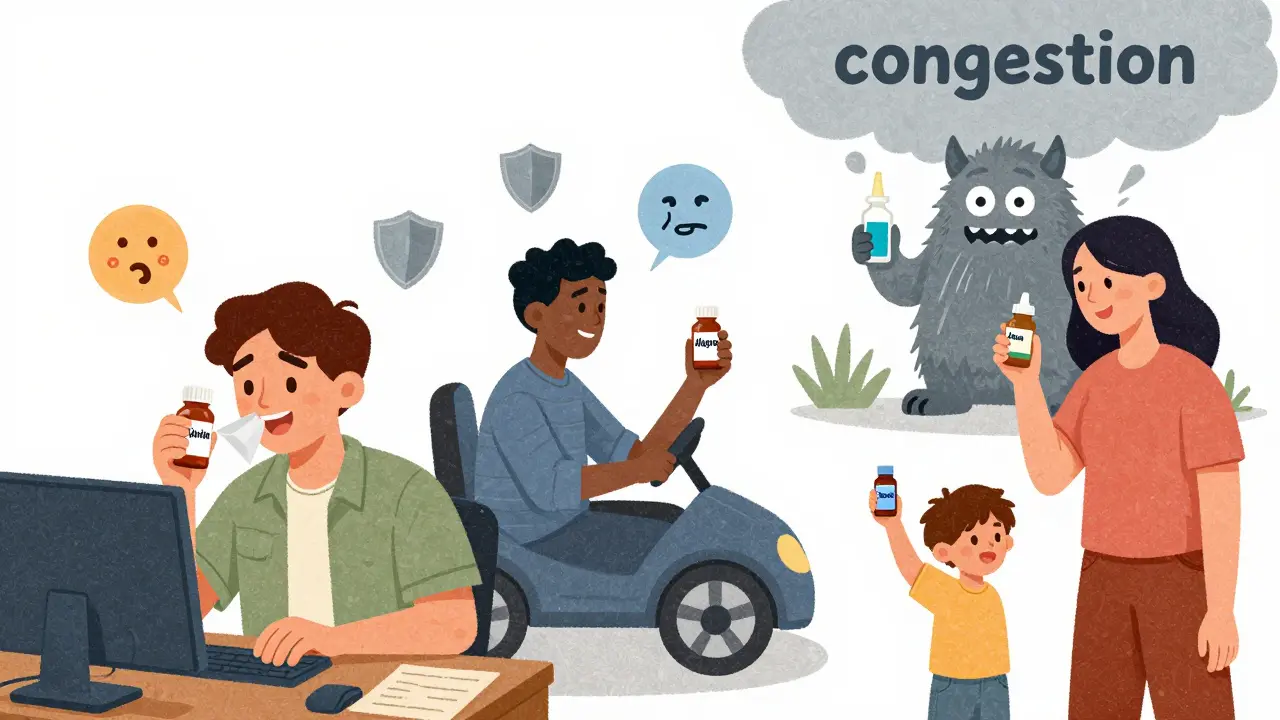
Here’s the catch: second-generation antihistamines are great for sneezing, itching, and runny nose-but not so much for nasal congestion. That’s because they don’t block acetylcholine like first-gen drugs do. That’s why you’ll often hear people say, “Zyrtec helped my itch, but I still needed Flonase.”
Research from Johns Hopkins in 2001 showed these drugs don’t suppress sneezing caused by cold viruses, unlike older antihistamines. That’s not a flaw-it’s just a different mechanism. If congestion is your biggest issue, you’ll likely need a nasal spray (like fluticasone or mometasone) or a decongestant combo like Allegra-D.
And while they’re safer for the heart than early second-gen drugs like terfenadine (which was pulled in 1997), fexofenadine and loratadine still carry small interaction risks with certain antibiotics or antifungals. Always check with your pharmacist if you’re on other medications.
Real People, Real Experiences
On WebMD, cetirizine has a 4.2/5 rating from over 12,000 reviews. Most users say it “works great” and “doesn’t knock me out.” But nearly a quarter still feel a little sleepy. One Reddit user wrote: “Fexofenadine is my hero-no drowsiness, no crash. But I still need my nasal spray every morning.”
Not everyone has smooth sailing. Some report headaches after starting loratadine. A Drugs.com review from March 2024 described three straight days of migraines until switching to cetirizine. Others mention weird taste changes or dry mouth. These are rare, but they happen. That’s why trial and error is normal.
Consumer data shows 87% of users praise these meds for stopping itching. 82% love that they’re non-drowsy. But 63% say they still need extra help for congestion. That’s not a failure of the drug-it’s just how allergies work.
How to Use Them Right
Timing matters. Taking your antihistamine 1-2 hours before you know you’ll be exposed to allergens (like going outside on high-pollen days) can reduce symptoms by 40-50% compared to waiting until you feel them. It’s like putting on a seatbelt before the car hits a bump.
Don’t expect instant results if you’ve never used them before. It can take 1-2 allergy seasons to figure out what works for you. And if your symptoms are getting worse each year-thanks to rising pollen counts from climate change-you might need to talk to your doctor about adjusting your dose or adding a steroid spray.
Also, don’t assume OTC labels tell you everything. FDA reviews show over-the-counter packaging scores just 6.4/10 for clarity. Prescription inserts are better. If you’re unsure, call your pharmacist or check the American College of Allergy, Asthma & Immunology’s website for reliable info.
The Future of Allergy Meds
Science is still improving on these drugs. A 2024 Nature Communications study found a hidden second binding site on the histamine receptor. That could lead to third-generation antihistamines that are even more precise-possibly eliminating the last traces of drowsiness.
Already, a once-weekly version of bilastine is in FDA review. If approved, it could help the 37% of users who forget to take their daily pill. And while biologics like Xolair are gaining ground for severe asthma and hives, they’re expensive and injectable. For most people with mild to moderate allergies, second-generation antihistamines will remain the first line of defense for years to come.
They’re not perfect. But they’re the best balance of safety, effectiveness, and convenience we’ve ever had. And for millions of people who just want to breathe, sleep, and live without constant itching or sneezing-they’re everything.
Are second-generation antihistamines safe for long-term use?
Yes, for most people. Long-term studies on cetirizine, loratadine, and fexofenadine show no major safety issues with daily use over years. They don’t cause dependency or tolerance. The main concern is rare side effects like headaches or dry mouth, which usually go away if you switch medications. Always talk to your doctor if you’re using them daily for more than 6 months.
Can I take them with other allergy meds?
Yes, but be careful. They’re often combined with nasal corticosteroids (like Flonase) or decongestants (like pseudoephedrine). Avoid combining with other sedating meds like sleep aids or anxiety drugs, even if they’re OTC. Fexofenadine has the lowest interaction risk. Always check with your pharmacist before mixing.
Why do some people still get drowsy on these meds?
Everyone’s body is different. Genetics, liver function, and even what you eat can affect how your body processes these drugs. Cetirizine, for example, crosses the blood-brain barrier slightly more than loratadine or fexofenadine. Some people are just more sensitive. If you’re drowsy, try switching to another one-most people find one that works without sleepiness.
Do they work for food allergies?
They can help with mild skin reactions like hives or itching after eating something you’re allergic to. But they don’t stop anaphylaxis. Epinephrine is the only treatment for life-threatening reactions. Always carry an EpiPen if you have a known severe food allergy.
Is there a difference between brand and generic versions?
No, not in effectiveness. Generic cetirizine, loratadine, and fexofenadine contain the same active ingredient as the brand names. The only differences are inactive fillers, which rarely cause issues. Most people save 50-80% by choosing generics. Just make sure the dosage matches (e.g., 10 mg cetirizine, not 5 mg).
What to Do Next
If you’re still using Benadryl or another first-gen antihistamine for daily allergies, it’s time to switch. Start with a low-dose generic version-loratadine is the safest bet if you’re worried about drowsiness. Take it at night for the first few days to see how your body reacts. If you feel fine, move it to the morning. Keep a symptom journal for a week. If congestion is still bad, add a nasal spray. If itching returns, try cetirizine. If you’re on other meds, ask your pharmacist about fexofenadine.
Allergies don’t go away. But with the right tool, they don’t have to control your life either. Second-generation antihistamines gave people back their days-and they’re still the best option out there.