Rhabdomyolysis from Medication Interactions: Muscle Breakdown Emergencies
Rhabdomyolysis Risk Assessment Tool
Use this tool to assess your potential risk profile for medication-induced rhabdomyolysis. This assessment is based on demographic factors and common high-risk medication combinations described in clinical literature.
Risk Assessment Result
Immediate Action Plan:
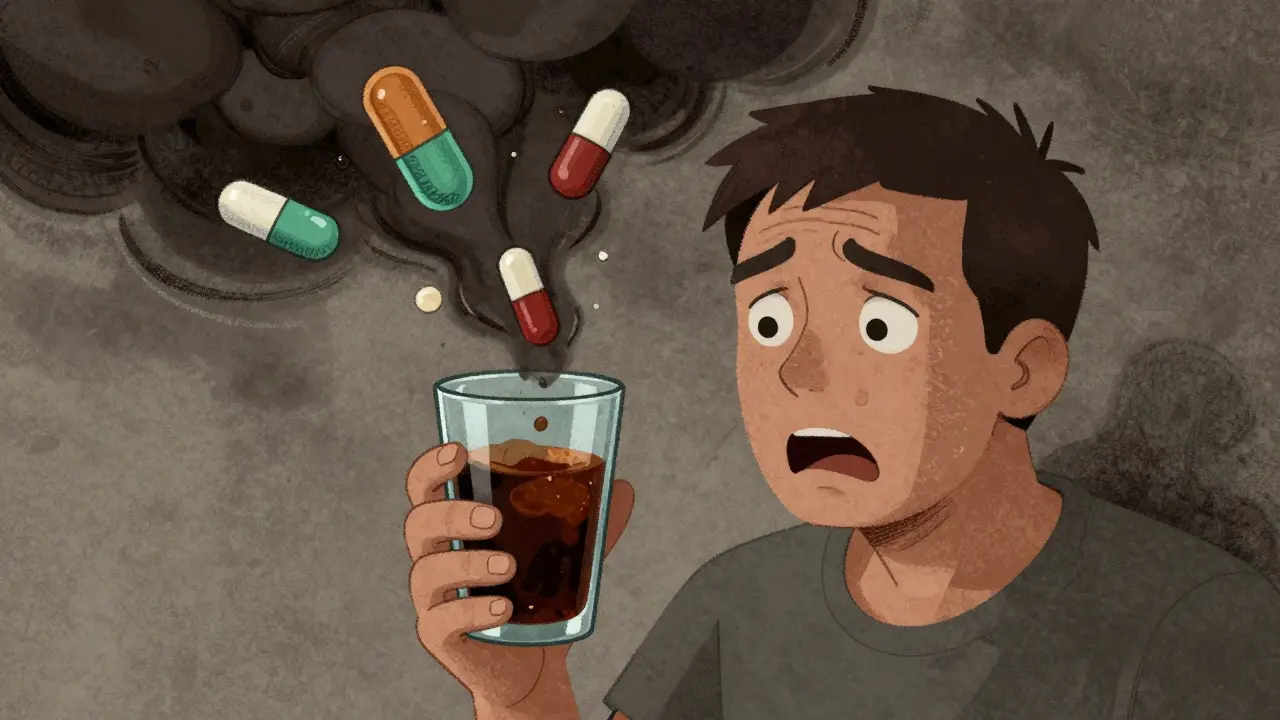
You take your daily cholesterol pill. You pick up a prescription for an antibiotic or a gout flare. A week later, your urine looks like cola, and your muscles feel like they’ve been crushed under a car. This isn’t just bad luck-it’s rhabdomyolysis, a condition where skeletal muscle breaks down rapidly, releasing toxic contents into your bloodstream. While often associated with extreme sports or trauma, a significant portion of these cases-roughly 7% to 10%-are triggered by dangerous medication interactions.
This is not a theoretical risk. In the United States alone, there are over 27,000 annual hospitalizations for drug-induced rhabdomyolysis. The average cost per admission exceeds $28,000, but the real price is measured in days of dialysis, permanent kidney damage, or even death. Understanding how common drugs collide to cause this emergency is the difference between a manageable side effect and a life-threatening crisis.
The Mechanism: How Drugs Destroy Muscle Cells
To understand why this happens, you have to look at what’s happening inside your cells. Skeletal muscle cells contain high concentrations of proteins and enzymes, including creatine kinase (CK) and myoglobin. Under normal conditions, these stay inside the cell. When certain medications interact, they compromise the integrity of the muscle cell membrane.
Think of it like a dam breaking. When the membrane fails, intracellular contents leak into your systemic circulation. Myoglobin, a protein that carries oxygen in muscle tissue, is particularly dangerous when free-floating in the blood. It travels to your kidneys, where it can precipitate in the renal tubules, causing blockages and direct toxicity. This leads to acute kidney injury (AKI), which develops in up to 50% of treated patients. Without rapid intervention, this cascade can lead to multi-organ failure.
The diagnostic hallmark is a spike in creatine kinase levels. Doctors typically flag rhabdomyolysis when CK levels exceed five times the upper limit of normal (usually >1,000 U/L). However, severe cases often present with CK levels soaring above 5,000 U/L, and in extreme documented cases, exceeding 100,000 U/L. Recognizing this biochemical storm early is critical because the damage to the kidneys can become irreversible within hours.
The Usual Suspects: Statins and Their Dangerous Partners
If you’re looking for the primary culprit in medication-induced rhabdomyolysis, it’s almost certainly a statin. These cholesterol-lowering drugs account for approximately 60% of all drug-induced cases. Within that group, atorvastatin (Lipitor) and simvastatin (Zocor) are responsible for nearly 80% of reports.
Statins work by inhibiting an enzyme called HMG-CoA reductase. While effective for heart health, they can also deplete coenzyme Q10 in muscle cells, making them more vulnerable to stress. The danger escalates exponentially when statins are combined with other medications that interfere with their metabolism. Most statins are broken down by liver enzymes known as CYP3A4. If another drug blocks this enzyme, statin levels in the blood can skyrocket to toxic concentrations.
| Primary Drug | Interacting Agent | Risk Multiplier | Mechanism |
|---|---|---|---|
| Simvastatin | Gemfibrozil (Fibrate) | 15-20x higher | Inhibits statin excretion |
| Simvastatin | Erythromycin (Antibiotic) | 18.7x higher | CYP3A4 inhibition |
| Colchicine | Clarithromycin (Antibiotic) | 8.7% incidence | P-glycoprotein/CYP3A4 inhibition |
| Statin | Itraconazole (Antifungal) | Significant | Strong CYP3A4 inhibition |
The combination of simvastatin and gemfibrozil is particularly notorious. Studies show this pair produces a 15 to 20 times higher risk of rhabdomyolysis compared to taking a statin alone. Similarly, adding erythromycin to simvastatin increases the risk by nearly 19-fold. These aren’t minor statistical blips; they are clinical emergencies waiting to happen.
Beyond Statins: Other Hidden Triggers
While statins get most of the attention, other medication classes pose serious threats, especially for specific patient populations.
Colchicine: Commonly prescribed for gout, colchicine has a narrow therapeutic window. When combined with strong CYP3A4 inhibitors like clarithromycin or ketoconazole, it accumulates in tissues. The European Medicines Agency noted a 14.2-fold increased risk in such combinations. Patients often report dark, cola-colored urine within 48 hours of starting the interacting drug, with CK levels spiking dramatically.
Antiretrovirals: For HIV-positive patients, drugs like zidovudine (Retrovir) carry a risk of mitochondrial toxicity. Cohort studies indicate a 12.3% incidence of significant CK elevation in users. This mechanism involves damaging the mitochondria-the power plants of the cell-leading to energy failure and muscle death.
Propofol Infusion Syndrome: Though rare (affecting about 0.6% of ICU patients on long-term propofol), this is one of the deadliest forms. Propofol causes mitochondrial toxicity that inhibits respiratory chain complexes. When rhabdomyolysis develops in this context, mortality rates hover around 68%. It highlights how even life-saving sedatives can turn lethal under specific metabolic conditions.

Recognizing the Symptoms: Beyond the Classic Triad
Medical textbooks often cite the "classic triad" of rhabdomyolysis: muscle pain, weakness, and dark urine. Here’s the problem: only about 50% of patients present with all three. Relying on this checklist can lead to dangerous delays in diagnosis.
You need to broaden your awareness. Look for:
- Unexplained fatigue or profound weakness: Especially if it feels different from normal post-exercise soreness.
- Abdominal pain and nausea: These are common early signs that often mimic gastrointestinal issues.
- Fever: Systemic inflammation from muscle breakdown can raise body temperature.
- Decreased urination: A sign that the kidneys are struggling to filter the myoglobin load.
- Dark urine: Often described as tea-colored, cola-colored, or brown. This is myoglobinuria and is a red flag.
Patient anecdotes reinforce this variability. One user shared, "After adding clarithromycin to my colchicine for gout, my urine turned cola-colored within 48 hours." Another noted, "My oncologist didn’t warn me about the simvastatin-erlotinib interaction-I needed 3 days of dialysis." These stories highlight a critical gap: providers sometimes fail to recognize early muscle symptoms as potentially serious until kidney function declines.
Who Is Most at Risk?
Rhabdomyolysis doesn’t hit everyone equally. Several demographic and physiological factors significantly increase susceptibility.
Age: Patients over 65 face a 3.2 times higher risk. Aging kidneys are less efficient at clearing toxins, and older adults are more likely to be on multiple medications (polypharmacy).
Gender: Females experience a 1.7 times greater incidence than males. The reasons are multifactorial, involving differences in body mass, muscle distribution, and hormonal influences on drug metabolism.
Renal Function: Pre-existing kidney insufficiency (eGFR <60 mL/min/1.73m²) increases risk by 4.5-fold. If your kidneys are already compromised, they are far less able to handle the myoglobin surge.
Polypharmacy: This is perhaps the biggest modern risk factor. Patients taking five or more medications face a staggering 17.3 times higher risk of drug-induced rhabdomyolysis. With the aging population, this number is rising. The JAMA Internal Medicine study suggests incidence rates could increase by 8.2% annually through 2030 without improved safety protocols.
Immediate Action: What To Do If You Suspect It
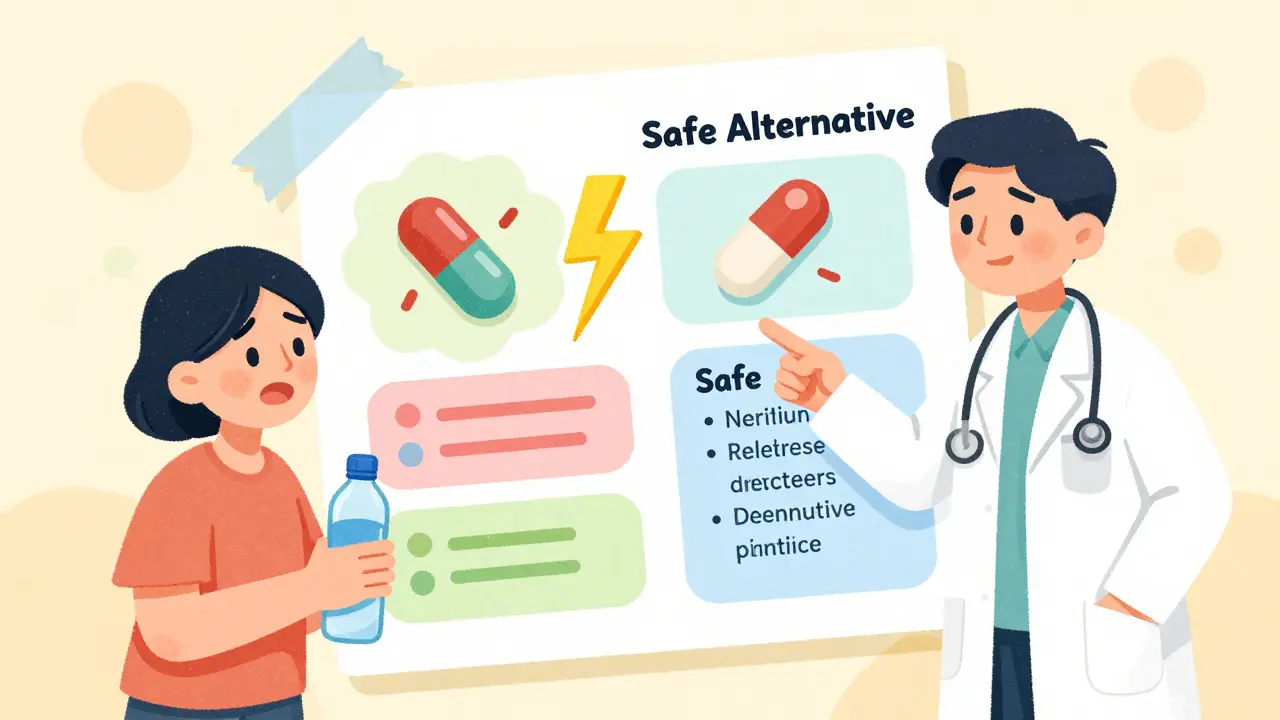
If you suspect you are experiencing rhabdomyolysis, time is muscle-and kidney. Do not wait for a doctor’s appointment. Go to the emergency room immediately.
Here is what medical professionals will do, based on guidelines from the American College of Emergency Physicians:
- Stop the Offending Agent: Immediate cessation of the suspected drug is the first step. Continuing the medication will worsen the muscle breakdown.
- Aggressive Hydration: IV fluids are crucial. The goal is to maintain a urine output of 200-300 mL/hour to flush myoglobin out of the kidneys before it causes damage. Protocols often specify 3 liters of normal saline in the first 6 hours.
- Urine Alkalinization: In moderate to severe cases (CK >5,000 U/L), doctors may add sodium bicarbonate to IV fluids to keep urine pH above 6.5. This prevents myoglobin from precipitating in the acidic environment of the renal tubules.
- Monitor Electrolytes: Broken-down muscles release potassium and calcium. Hyperkalemia (high potassium) occurs in nearly 38% of cases and can cause fatal heart arrhythmias. Hypocalcemia (low calcium) is also common and must be managed carefully.
Diagnosis is confirmed via serial CK measurements. A level above 1,000 U/L has 99.2% specificity for rhabdomyolysis. Treatment continues until CK levels begin to fall and kidney function stabilizes.
Prevention Strategies for Patients and Providers
Preventing medication-induced rhabdomyolysis requires vigilance. Here are actionable steps to protect yourself:
- Audit Your Meds Annually: Bring every pill bottle-including over-the-counter drugs and supplements-to your pharmacist or doctor once a year. Ask specifically: "Do any of these interact to affect my muscles or kidneys?"
- Know Your Genes: Pharmacogenomic testing can identify risks. For example, the SLCO1B1*5 allele increases simvastatin-induced myopathy risk by 4.5-fold. If you have this variant, alternative statins like pravastatin or rosuvastatin may be safer.
- Watch for Early Signs: If you start a new statin or interacting drug, monitor your muscles closely for the first 30 days. Over half of cases occur within this window. Report unexplained soreness immediately.
- Stay Hydrated: Dehydration exacerbates the risk. Ensure adequate fluid intake, especially if you are ill, exercising heavily, or living in hot weather.
- Ask About Alternatives: If you need an antibiotic while on a statin, ask if a non-interacting option (like amoxicillin instead of clarithromycin) is available. Sometimes, temporarily holding the statin is the safest choice.
The regulatory landscape is shifting to help. The FDA’s Sentinel Initiative now monitors adverse events in real-time, detecting spikes like the 22.4% increase seen after remdesivir introduction. The EMA now requires statin labels to explicitly list contraindications with strong CYP3A4 inhibitors. But ultimately, the responsibility lies in the partnership between informed patients and vigilant providers.
Recovery and Long-Term Outlook
Surviving rhabdomyolysis is a victory, but recovery is a marathon. Data from the Mayo Clinic’s 10-year follow-up study shows that 43.7% of survivors experience persistent muscle weakness at six months. Complete recovery takes an average of 12 weeks for those who did not require dialysis, but nearly 29 weeks for those who did.
Long-term viability depends on protecting your kidneys. Regular monitoring of eGFR and CK levels is essential. Many patients cannot return to their previous statin regimen. Instead, they switch to lower-risk alternatives or non-statin therapies. The goal is to manage cardiovascular risk without sacrificing muscle and kidney health.
Rhabdomyolysis from medication interactions is a preventable tragedy. By understanding the mechanisms, recognizing the subtle symptoms, and advocating for careful drug reviews, you can avoid the crash. Your muscles are vital-they deserve protection from the very medicines meant to heal you.
How quickly does medication-induced rhabdomyolysis develop?
Most cases occur within 30 days of starting a new medication or changing a dosage. Statin-related cases typically present around 28 to 29 days after initiation. However, interactions with antibiotics or antifungals can trigger symptoms much faster, sometimes within 48 to 72 hours.
Can rhabdomyolysis be reversed?
Yes, if caught early. Immediate cessation of the offending drug and aggressive IV hydration can stop muscle breakdown and prevent kidney damage. Once acute kidney injury sets in, recovery is slower and may require dialysis. Permanent kidney damage is possible if treatment is delayed.
What is the most dangerous medication combination for rhabdomyolysis?
The combination of simvastatin and gemfibrozil carries a 15 to 20 times higher risk than statin monotherapy. Similarly, combining simvastatin with strong CYP3A4 inhibitors like erythromycin or itraconazole drastically increases risk due to toxic accumulation of the statin in the blood.
Does dark urine always mean rhabdomyolysis?
Not always, but it is a major red flag. Dark, tea-colored, or cola-colored urine indicates myoglobinuria, which is highly suggestive of rhabdomyolysis. Other causes include dehydration or certain foods/drugs, but given the potential severity, dark urine accompanied by muscle pain should always be evaluated in an emergency setting.
Are all statins equally risky?
No. Simvastatin and atorvastatin are metabolized by CYP3A4, making them more prone to dangerous interactions. Pravastatin and rosuvastatin are not primarily metabolized by this pathway and generally carry a lower risk of interaction-induced rhabdomyolysis, though they are not risk-free.