Pneumonia Types: Bacterial, Viral, and Fungal Lung Infections Explained
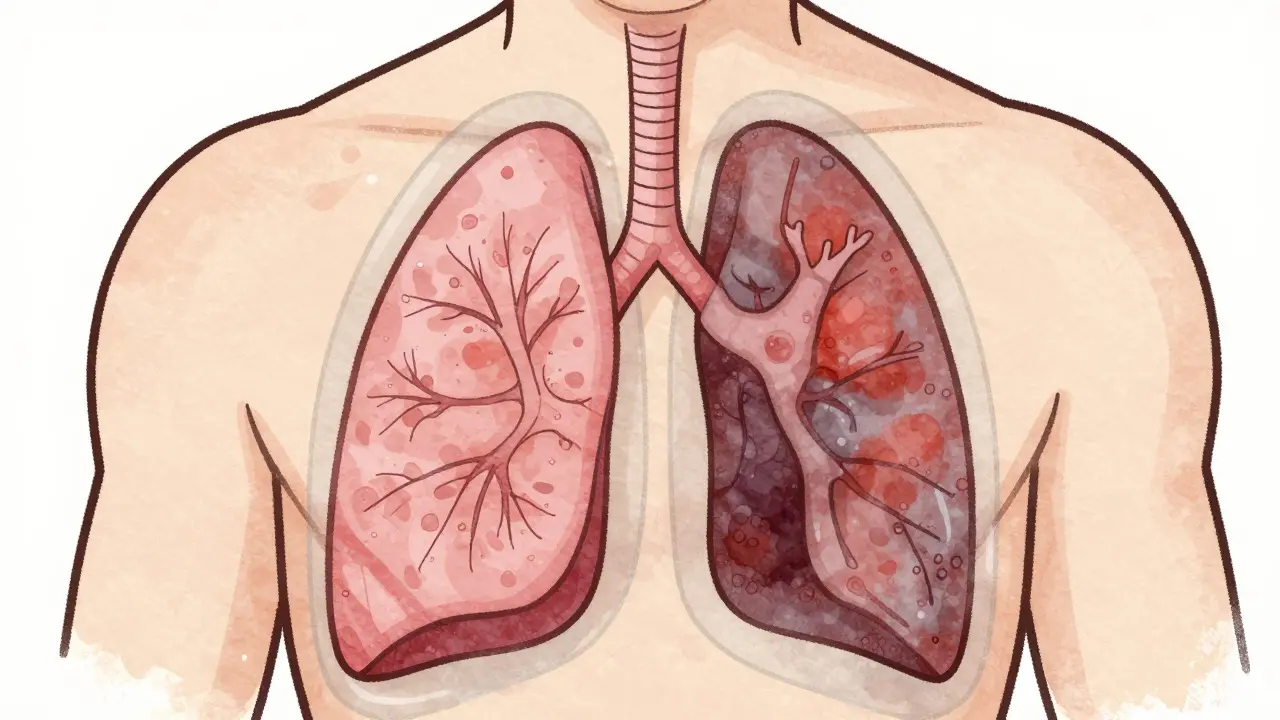
Imagine taking a deep breath, only to feel a sharp pain in your chest or notice your lips turning slightly blue. That is the reality for someone fighting pneumonia, an inflammatory condition where the air sacs in your lungs-called alveoli-fill with fluid or pus. It’s not just one disease; it’s a group of conditions caused by different invaders. Whether you are recovering from a bad cold or caring for an elderly relative, understanding what is attacking the lungs is the difference between getting better quickly and facing serious complications.
We often think of pneumonia as a single illness, but the treatment depends entirely on the cause. Antibiotics kill bacteria, but they do nothing against viruses or fungi. Using the wrong medication can delay recovery and contribute to antibiotic resistance. This guide breaks down the three main types of pneumonia-bacterial, viral, and fungal-so you know what to look for, how doctors diagnose them, and why prevention matters more than ever.
What Is Pneumonia and How Does It Develop?
To understand the types, you first need to know how healthy lungs work. When you breathe in, oxygen travels through your windpipe into tiny air sacs called alveoli. These sacs exchange oxygen for carbon dioxide, keeping your blood rich in the fuel your body needs. In pneumonia, these sacs get inflamed and fill with fluid. This makes breathing difficult because less oxygen gets into your bloodstream.
The infection usually starts when germs enter the lungs. You might inhale them directly, or they might travel from your nose and throat during a cold or flu. For most healthy adults, the immune system handles this easily. But for young children, older adults, or people with weakened immune systems, these germs can take hold and multiply rapidly. According to data from the Centers for Disease Control and Prevention (CDC), pneumonia causes about one million hospitalizations annually in the United States alone.
| Metric | Statistic |
|---|---|
| Annual US Hospitalizations | ~1 million |
| Annual US Deaths | ~50,000 |
| Most Common Cause | Bacteria (Streptococcus pneumoniae) |
| High-Risk Groups | Children under 2, Adults over 65 |
Bacterial Pneumonia: The Most Common Culprit
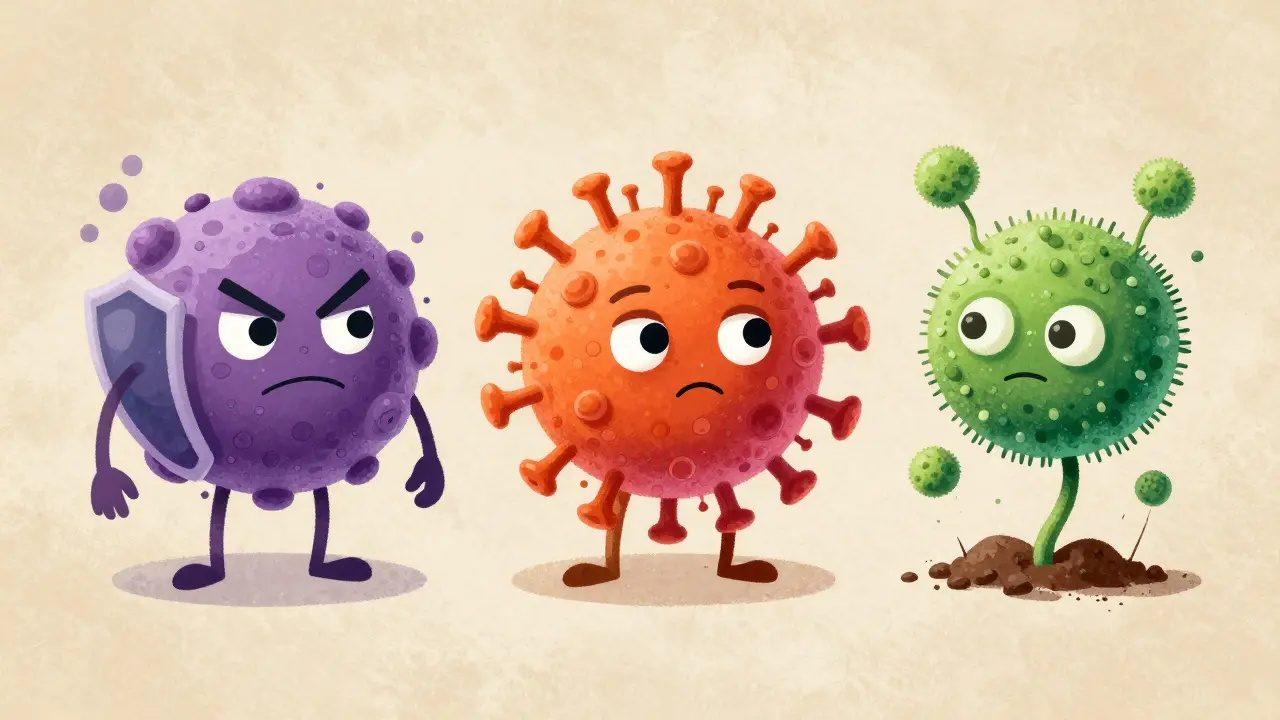
Bacterial pneumonia is the most frequent type of lung infection, accounting for about half of all community-acquired cases. It tends to strike suddenly and severely. The primary offender is Streptococcus pneumoniae (also known as pneumococcus). This bacterium has a protective capsule that helps it evade the immune system, allowing it to settle in the lungs and cause significant damage.
Other bacteria can also be responsible, including Haemophilus influenzae, Staphylococcus aureus, and Mycoplasma pneumoniae (often called "walking pneumonia" because symptoms are milder).
How do you spot it? Bacterial pneumonia often hits like a truck. Symptoms appear abruptly and include:
- Sudden high fever, sometimes reaching 105°F (40.5°C)
- A productive cough bringing up yellow, green, or bloody mucus
- Sharp chest pain that worsens when you breathe deeply or cough
- Rapid heart rate and shortness of breath
- Cyanosis: a bluish tint to the lips or fingernails due to low oxygen
Doctors diagnose this type using a chest X-ray, which typically shows a solid white area called lobar consolidation in one part of the lung. Treatment requires antibiotics. If caught early, drugs like penicillin or macrolides can clear the infection within days. However, delaying treatment can lead to sepsis, a life-threatening reaction to the infection.
Viral Pneumonia: Starting With a Cold, Ending in the Lungs
Viral pneumonia is caused by respiratory viruses and accounts for roughly one-third of all pneumonia cases. Unlike the sudden onset of bacterial pneumonia, viral pneumonia often starts gently. It begins with upper respiratory symptoms-runny nose, sore throat, and a mild cough-that gradually worsen over three to five days.
The usual suspects here are Influenza A and B, Respiratory Syncytial Virus (RSV), and SARS-CoV-2 (the virus causing COVID-19). Rhinovirus and parainfluenza can also play a role.
Key differences from bacterial pneumonia include:
- Gradual Onset: You feel sick for a few days before breathing becomes difficult.
- Dry Cough: The cough is often dry rather than producing thick colored phlegm.
- Bilateral Involvement: Chest X-rays show diffuse patterns affecting both lungs, rather than a single consolidated area.
- Lower Fever: Fevers are usually present but tend to be lower grade (100-102°F) compared to bacterial spikes.
Here is the tricky part: antibiotics do not kill viruses. Taking them for viral pneumonia offers no benefit and contributes to antimicrobial resistance. Treatment focuses on supportive care-rest, fluids, and oxygen if needed. In specific cases, antiviral medications like oseltamivir (for flu) or remdesivir (for severe COVID-19) may be prescribed. Be aware that viral pneumonia can weaken the lungs, making you susceptible to a secondary bacterial infection, which then requires antibiotics.
Fungal Pneumonia: The Hidden Threat
Fungal pneumonia is a rare but serious form of lung infection caused by inhaling fungal spores found in soil and bird droppings. It affects less than 5% of pneumonia cases but poses a significant risk to immunocompromised individuals, such as those with HIV/AIDS, organ transplant recipients, or people undergoing chemotherapy.
In the United States, three fungi are primarily responsible:
- Coccidioides: Causes Valley fever, common in the Southwest US.
- Histoplasma capsulatum: Causes histoplasmosis, often linked to bat or bird droppings near rivers or caves.
- Blastomyces dermatitidis: Causes blastomycosis, found in moist soil and decaying matter in the Midwest and Southeast.
Occupational hazards matter here. Farmers, landscapers, and construction workers who disturb soil in endemic areas have a higher risk. Symptoms mimic other types of pneumonia-fever, chills, cough, and fatigue-but may also include gastrointestinal issues like nausea or diarrhea. Diagnosis is challenging because fungal pneumonia looks similar to bacterial or viral forms on initial exams. Specialized tests, such as sputum cultures or antigen tests, are required. Treatment involves antifungal medications like amphotericin B for severe cases or azoles for maintenance therapy.
Diagnosing the Type: Why It Matters
Why go through the trouble of distinguishing between these types? Because the treatments are completely different. Misdiagnosis leads to ineffective care. Doctors use a combination of clinical assessment, imaging, and lab tests to pinpoint the cause.
| Feature | Bacterial | Viral | Fungal |
|---|---|---|---|
| Onset | Sudden | Gradual (3-5 days) | Variable |
| Cough | Productive (colored/bloody sputum) | Dry | With phlegm |
| X-Ray Pattern | Lobar consolidation (one area) | Diffuse interstitial (both lungs) | Variable/Nodules |
| Treatment | Antibiotics | Supportive/Antivirals | Antifungals |
| Primary Risk Group | All ages (esp. young/old) | Children/Elderly | Immunocompromised |
Modern medicine is improving diagnosis speed. PCR-based multiplex panels can now identify over 20 respiratory pathogens from a single sample with 95% sensitivity. This allows doctors to start the right treatment faster, reducing hospital stays and preventing unnecessary antibiotic use.
Prevention Strategies: Vaccines and Lifestyle
You cannot always avoid germs, but you can significantly reduce your risk. Prevention strategies vary depending on the type of pneumonia.
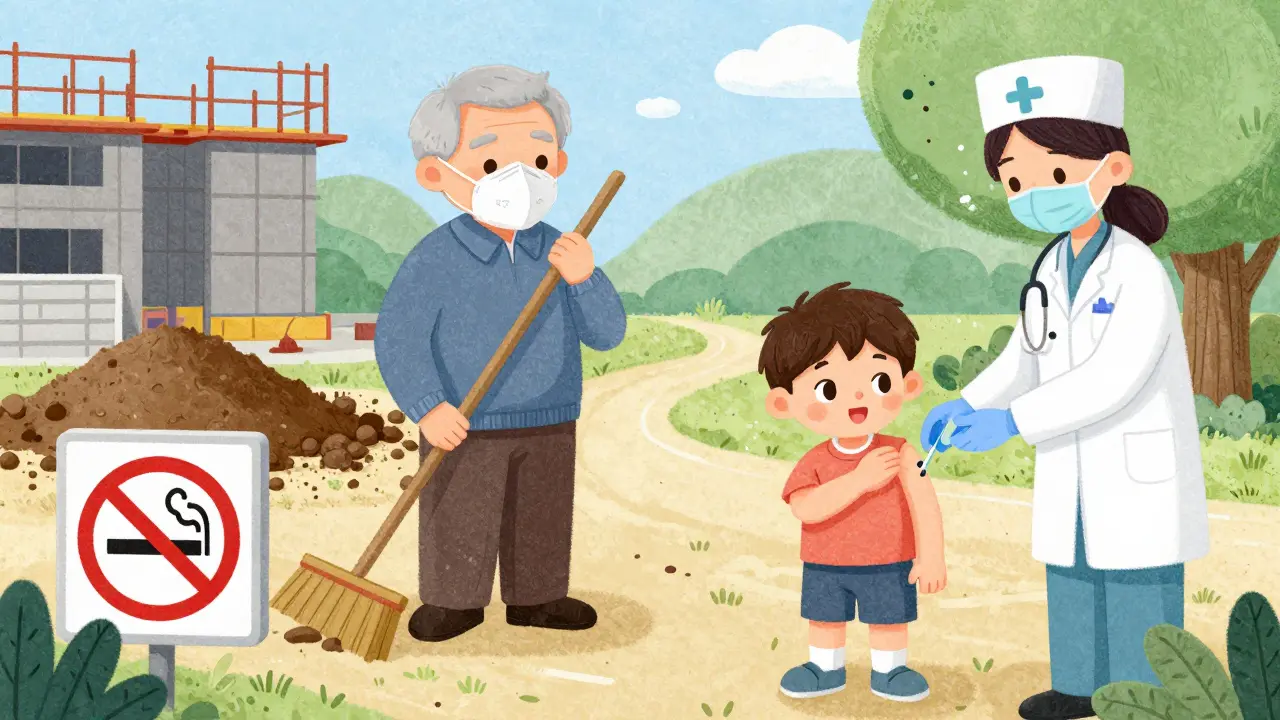
Vaccination is your best defense against bacterial and viral pneumonia. The pneumococcal vaccine series, started in infancy, reduces bacterial pneumonia rates by 60-70% in children. For adults over 65, vaccination coverage remains around 68%, leaving many vulnerable. Annual flu shots reduce the risk of influenza-related pneumonia by 40-60%. Similarly, staying up-to-date with COVID-19 vaccines reduces pneumonia risk by up to 90% in the months following vaccination.
For fungal pneumonia, environmental awareness is key. If you live in or travel to endemic areas (like the Southwest for Valley fever), wear N95 masks when disturbing soil or cleaning out chicken coops or bat-infested structures. Quitting smoking is also crucial; smokers have 2.3 times higher risk of developing pneumonia because smoking damages the cilia-the tiny hairs that sweep debris out of your lungs.
When to Seek Medical Help
Pneumonia can escalate quickly. Do not wait if you experience:
- Difficulty breathing or rapid breathing
- Chest pain that does not improve
- Persistent fever above 102°F (39°C)
- Confusion or sudden mental changes (especially in older adults)
- Bluish lips or face
Early intervention saves lives. If you suspect pneumonia, see a healthcare provider immediately. They can determine the type and prescribe the appropriate treatment, whether it’s antibiotics, antivirals, or antifungals. Remember, rest and hydration are vital parts of recovery regardless of the cause.
Can you catch pneumonia from being cold?
No, cold weather itself does not cause pneumonia. However, being cold can weaken your immune response slightly, and people tend to stay indoors closer together in winter, which facilitates the spread of viruses and bacteria that cause pneumonia. The direct cause is always an infectious agent.
Is walking pneumonia serious?
Walking pneumonia, usually caused by Mycoplasma pneumoniae, is generally milder than other forms. Most people can continue daily activities while recovering. However, it can still lead to complications if untreated, especially in those with underlying health conditions. Antibiotics are typically prescribed to speed recovery.
How long does it take to recover from pneumonia?
Recovery varies by type and severity. Bacterial pneumonia often improves within a week of starting antibiotics, but fatigue can last weeks. Viral pneumonia may take two to four weeks to fully resolve. Fungal pneumonia requires longer treatment courses, sometimes lasting months. Always follow up with your doctor to ensure the infection is cleared.
Who is at highest risk for pneumonia?
The highest risk groups include children under age 2, adults over 65, smokers, and people with chronic conditions like COPD, diabetes, or heart disease. Those with weakened immune systems due to HIV, cancer treatment, or organ transplants are particularly vulnerable to severe and fungal forms.
Can antibiotics treat viral pneumonia?
No, antibiotics only kill bacteria. They are ineffective against viruses. Using antibiotics for viral pneumonia provides no benefit and contributes to antibiotic resistance. Treatment for viral pneumonia focuses on rest, fluids, and sometimes antiviral medications if caught early.