Medical Tourism Guide: Medication Safety and Risks to Consider
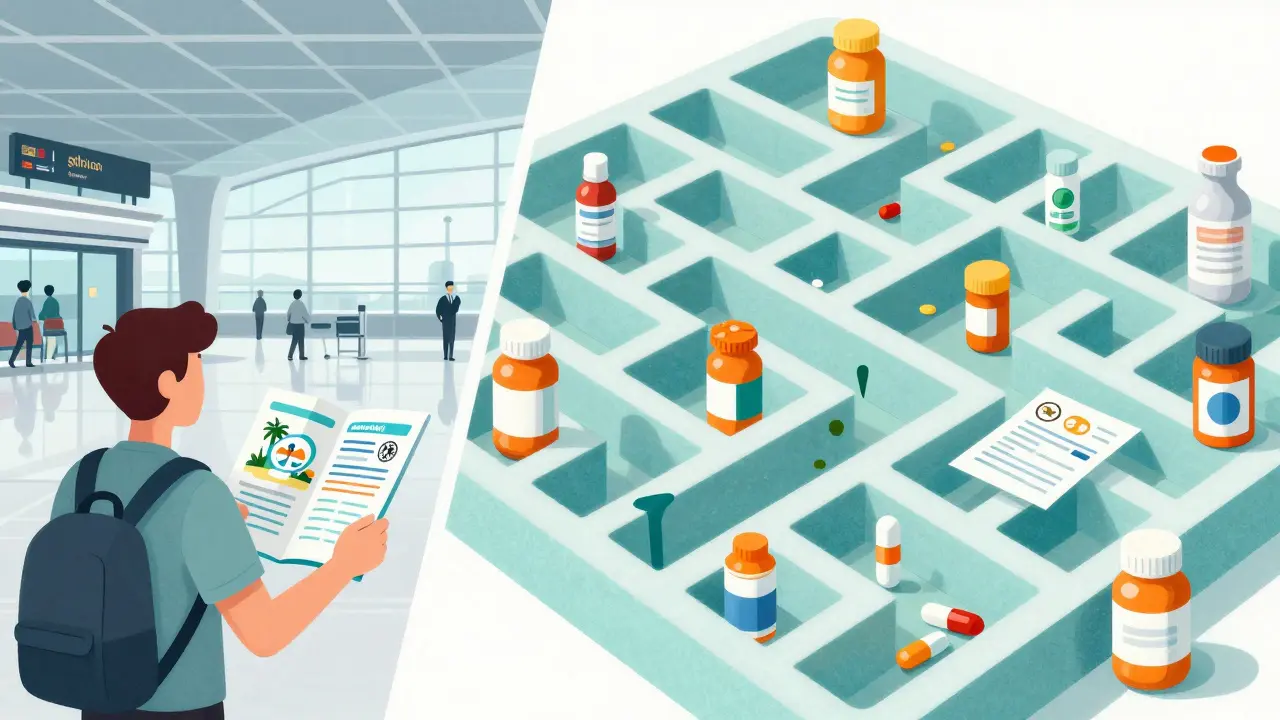
Imagine flying halfway across the world for a life-changing surgery or a cutting-edge cancer treatment because it costs 60% less than it does at home. It sounds like a win-win: you get world-class care and keep a huge chunk of your savings. But there is a hidden variable that often gets ignored in the glossy brochures: the medications. When you cross borders for healthcare, you aren't just changing doctors; you're changing entire pharmaceutical regulatory systems. This shift can lead to dangerous gaps in care, confusing dosages, or even the risk of taking substandard drugs.
| Destination | Common Procedures | Estimated Savings |
|---|---|---|
| Mexico | Dentistry, Bariatrics, Fertility | 40-65% |
| Turkey | Hair Transplants, Eye Surgery | 50-70% |
| South Korea | Cosmetic Surgery, Dermatology | 30-55% |
| India | Cardiac & Orthopedic Surgery | Significant (Variable) |
The Regulatory Gap in International Healthcare
One of the biggest hurdles in Medical Tourism is the practice of traveling internationally to receive healthcare services. While a hospital in Thailand or India might be state-of-the-art, the rules governing the drugs they use are different from those in your home country. Pharmaceutical Regulations vary wildly between nations. A drug that is approved and standard in South Korea might be restricted or completely unavailable in the US or UK.
This creates a massive headache when you return home. If you're prescribed a specific post-operative medication abroad, your local pharmacist might not be able to fill the prescription because the drug isn't approved by your local health authority. You're then left in a precarious position: do you try to find a similar drug, or do you risk a gap in your treatment? This is why regulatory alignment, such as the EU-aligned protocols seen in Turkey, is such a huge safety advantage for patients.
The Danger of Substandard and Falsified Medicines
When we talk about Medication Safety, we have to talk about the quality of the drugs themselves. While high-end hospitals are generally safe, the broader pharmaceutical supply chain in some developing regions can be shaky. The World Health Organization has pointed out that in some developing countries, roughly 1 in 10 medical products are either substandard or falsified. These aren't always "fake" drugs; sometimes they are just poorly manufactured, meaning the active ingredient is too weak or too strong.
If you are traveling for "breakthrough medicines" or innovative drugs not yet available at home, you are essentially venturing into an unregulated gray area. While the prospect of accessing an AI-driven genetic profiling treatment at a place like Severance Hospital in South Korea is exciting, it introduces a layer of complexity. How does your home doctor manage a precision-medicine regimen designed by an algorithm in another language and regulatory zone?
The Continuity of Care Crisis
The surgery might be a success, but the recovery is where things often go wrong. Research shows that about 26% of medical tourists face significant follow-up care issues. This isn't usually about the surgeon's skill, but about Continuity of Care-the seamless transition from the overseas facility back to your primary care physician.
Medication reconciliation is the process of creating the most accurate list possible of all medications a patient is taking. When this happens across borders, things get lost in translation. A patient might be taking a blood thinner prescribed in India, but their doctor in the US doesn't know the exact brand or dosage equivalent. This can lead to dangerous drug interactions or inappropriate dosing. If you're taking travel medications or chronic prescriptions, the risk of a medication error spikes the moment you land back home and try to resume your normal routine while adding new post-surgical drugs.
Red Flags and Quality Markers
How do you tell if a facility takes medication safety seriously? You'll often see the term JCI Accreditation (Joint Commission International). This is a gold standard for facility safety and quality. If a hospital in Thailand is JCI-accredited, it means they meet rigorous international standards for how they handle patients and their environment.
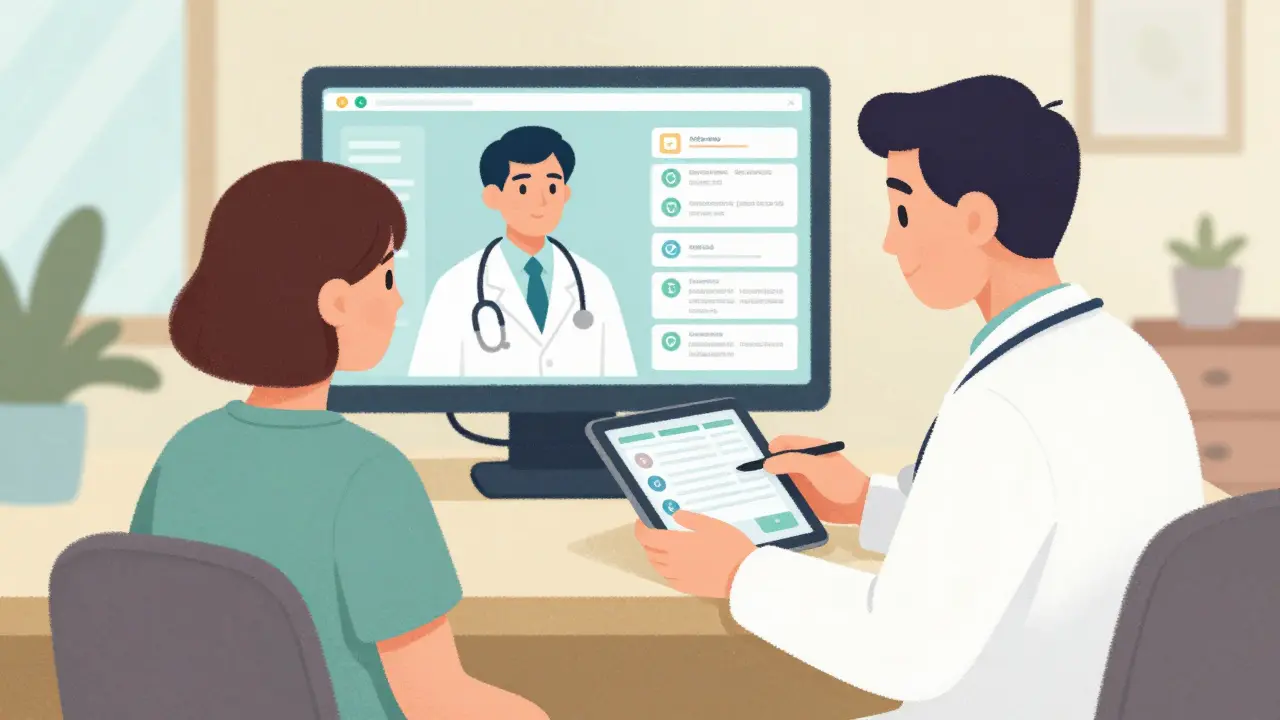
However, here is the catch: JCI accreditation focuses heavily on facility and operational standards. It doesn't guarantee that every drug prescribed will be easily available in your home country. You need to look beyond the accreditation and ask about their discharge protocols. Do they provide a detailed pharmaceutical list with generic names (not just brand names)? Do they offer telemedicine follow-ups to coordinate with your home doctor?
The Wellness Tourism Complication
It's not just about major surgeries. Wellness Tourism is booming, with people traveling for holistic retreats, stem cell therapies, or advanced dermatology. These treatments often involve supplements, herbal medicines, or alternative pharmaceuticals that have even less regulatory oversight than standard prescription drugs.
The danger here is the "natural" fallacy-the idea that because a treatment is holistic or wellness-based, it can't be dangerous. Many supplements can interact poorly with prescription medications. For example, a wellness treatment involving certain herbal extracts could interfere with the efficacy of a blood pressure medication you've taken for years. Without a coordinated medical record, your home doctor has no way of knowing why your blood pressure is suddenly spiking or dropping.
Practical Steps to Protect Your Health
If you're planning to seek care abroad, don't leave your medication safety to chance. You need a proactive strategy to ensure you don't end up in an emergency room after your "discounted" procedure. Here is a checklist to follow:
- Pre-Travel Reconciliation: Sit down with your current doctor. Create a master list of everything you take, including dosages and why you take them.
- Request Generic Names: Always ask your overseas provider for the International Nonproprietary Name (INN) or generic name of any drug they prescribe. Brand names vary by country, but generic names are universal.
- Verify Local Legality: Before you fly, check if the medications you'll be prescribed are legal and approved in your home country.
- Digital Health Records: Use a provider that utilizes digital health records or provides a comprehensive electronic discharge summary that you can email directly to your local physician.
- Plan the Transition: Arrange a follow-up appointment with your home doctor for the day after you return to reconcile your new medications with your old ones.
What happens if the medicine I'm prescribed abroad isn't available at home?
This is a common issue in medical tourism. If a drug isn't available, your home doctor will have to find a therapeutic equivalent. This is why having the generic name (INN) of the drug is critical; it allows your doctor to find a medication with the same active ingredient or a similar effect, avoiding a dangerous gap in your treatment.
Is JCI accreditation enough to guarantee medication safety?
JCI accreditation is an excellent marker for hospital quality and patient safety protocols, but it's not a guarantee for cross-border medication continuity. It ensures the hospital follows high standards while you are there, but it doesn't solve the problem of different pharmaceutical laws between two different countries.
Are there risks associated with "wellness" treatments and supplements?
Yes. Wellness treatments often use supplements that aren't as strictly regulated as pharmaceuticals. These can cause unexpected drug interactions with your regular medications. Always disclose any supplements or alternative treatments you receive abroad to your primary care provider.
How can I avoid drug interactions when returning from medical tourism?
The best way is through strict medication reconciliation. Ensure your overseas doctor provides a full list of everything administered during your stay. Before starting any new post-op meds at home, have your local doctor review the entire list against your current prescriptions to check for contraindications.
Why are some countries better for medication safety than others?
Countries that align their pharmaceutical protocols with major international bodies (like the EU or FDA) generally have more predictable safety standards. This alignment makes it easier for patients to transition their care back to home systems because the drug standards are similar.
Next Steps for Your Journey
Depending on your goals, your approach to safety should change. If you are seeking elective cosmetic surgery, your focus should be on post-op antibiotics and pain management equivalents. If you are seeking complex treatment like cardiac surgery or cancer therapy, your focus must be on a highly detailed, doctor-to-doctor handoff.
For those focusing on wellness, start by auditing your current supplements. If you're heading to a region known for herbal medicine, bring a complete list of your current prescriptions and ask the practitioners specifically how their treatments interact with those chemicals. No matter the procedure, remember that the cheapest surgery can become the most expensive mistake if the medication recovery is mishandled.