Medical Society Guidelines on Generic Drug Use: What Doctors Really Think
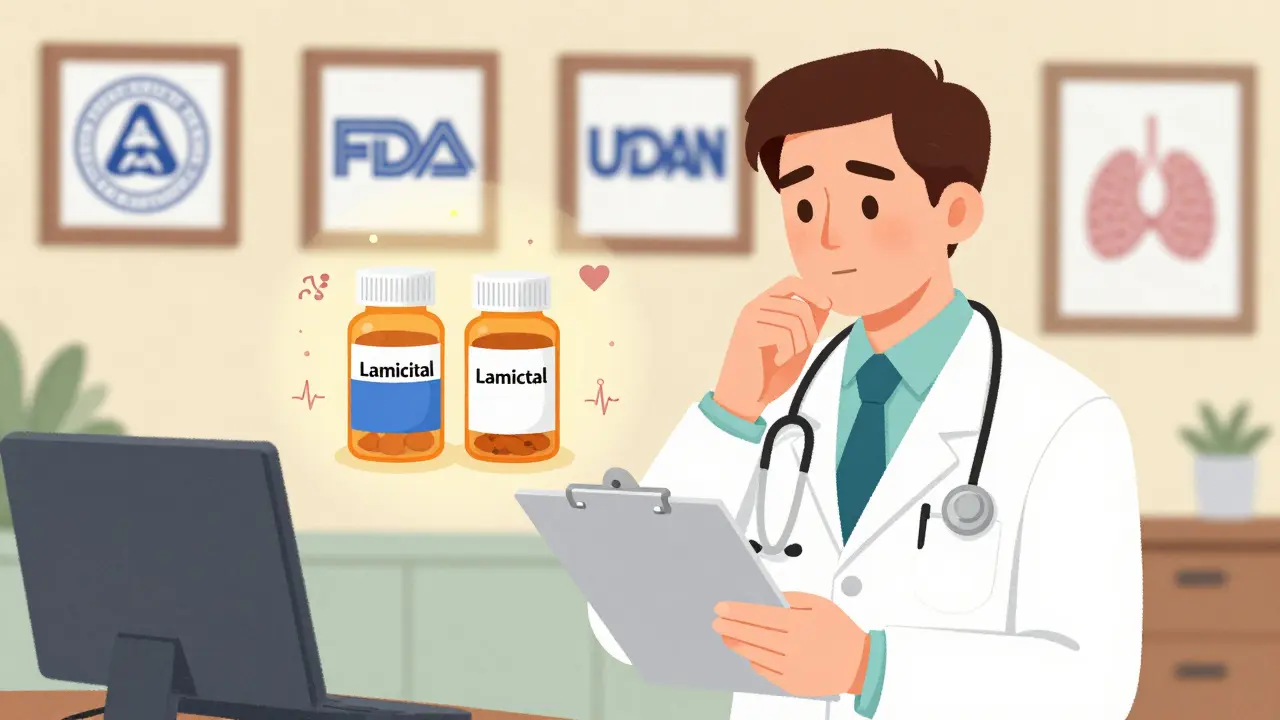
When a pharmacist hands you a pill bottle with a different name than what your doctor wrote, you might wonder: is this really the same thing? For many patients, generic drugs are a simple cost-saving swap. But for doctors, especially those treating serious conditions, the decision isn’t that simple. Medical societies - groups of specialists who set standards for how medicine should be practiced - have taken clear, sometimes conflicting, stances on when and how generic drugs should be used. These aren’t just opinions. They’re official positions that shape what prescriptions get filled, what insurers cover, and even what laws get passed in state legislatures.
Why Generic Drugs Aren’t Always Interchangeable
The FDA says generic drugs are just as safe and effective as brand-name versions. That’s true - most of the time. Generic drugs must contain the same active ingredient, in the same strength, and work the same way in the body. They go through a strict approval process called the ANDA, which requires them to prove bioequivalence. That means their blood levels must fall within 80% to 125% of the brand drug’s levels. Sounds strict? It is. But here’s the catch: that 45% range is wide enough to matter for certain drugs. Drugs with a narrow therapeutic index (NTI) are the problem. These are medications where even a tiny change in blood concentration can cause treatment to fail or trigger dangerous side effects. Think seizure medications, blood thinners like warfarin, thyroid hormones, and some chemotherapy drugs. For these, a 10% difference in absorption might mean the difference between controlling a seizure and having one. That’s why neurologists don’t just worry about cost - they worry about safety.The American Academy of Neurology’s Stand
The American Academy of Neurology (AAN) is one of the few major medical societies that explicitly opposes automatic generic substitution for anticonvulsants. Their position isn’t based on distrust of generics overall - it’s based on real patient outcomes. Studies show that when patients with epilepsy switch from a brand-name drug like Lamictal to a generic version, some experience breakthrough seizures or increased side effects. One survey of neurologists found that 68% believe these switches have caused complications in their patients. The AAN’s stance has influenced state laws. In many places, pharmacists can’t swap an antiepileptic drug without the doctor’s explicit permission. That’s rare. Most states allow substitution unless the prescriber says no. But for epilepsy, the bar is higher. Why? Because seizures aren’t just inconvenient - they’re life-threatening. A single uncontrolled seizure can lead to injury, hospitalization, or even sudden death. For neurologists, the risk isn’t theoretical. It’s something they see in clinic every week.Where Most Doctors Agree: Generics Are Fine
For the vast majority of medications - antibiotics, blood pressure pills, statins, antidepressants - medical societies have no issue with generic substitution. The American College of Physicians, the American Heart Association, and others support using generics when they’re available. Why? Because the evidence shows they work just as well. The FDA’s approval process is rigorous, and real-world data confirms it: over 90% of prescriptions filled in the U.S. are for generics, and they account for just 23% of total drug spending. Doctors aren’t against saving money. They’re against risking patient safety to save a few dollars. If a generic version of metformin or lisinopril works just as well as the brand, they’ll prescribe it without hesitation. In fact, many clinics now have default generic prescribing protocols built into their electronic records. The goal isn’t to block generics - it’s to make sure substitution happens only where it’s safe.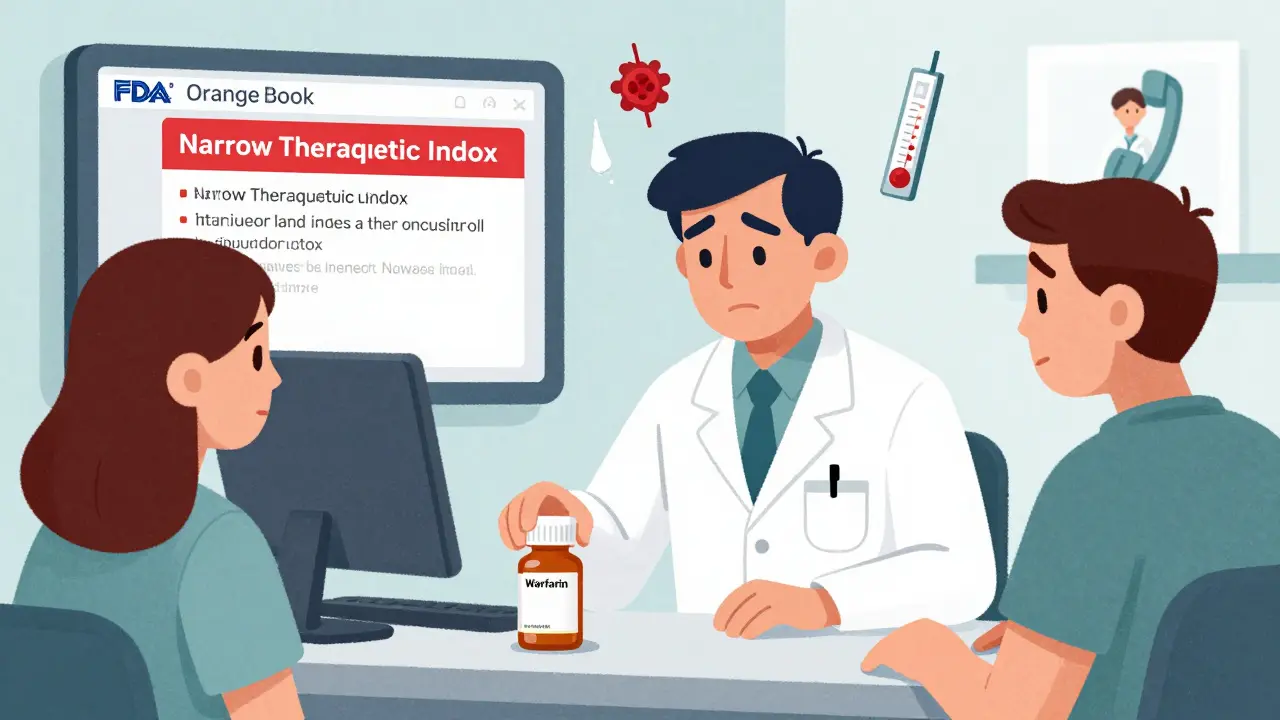
The Role of Drug Names and Naming Rules
You might not think about how a drug gets its name, but it matters more than you realize. The American Medical Association’s United States Adopted Names (USAN) Council decides the nonproprietary names for all drugs in the U.S. Their job isn’t just to be creative - it’s to prevent confusion. A bad name can lead to medication errors. Imagine a patient getting the wrong drug because two names sound alike or look similar on a prescription. The USAN Council avoids using stems (the ending parts of drug names) that are too close to others. They also make sure names don’t resemble brand names. For example, if a new drug ends in “-pril,” it’s likely an ACE inhibitor, and doctors instantly know its class. This naming system helps reduce errors during prescribing, dispensing, and administration. When a generic drug gets a name that fits cleanly into this system, it’s easier for everyone - pharmacists, nurses, and patients - to trust it.Oncology and the Unusual Case of Off-Label Use
Cancer treatment is another area where generics play a surprising role. The National Comprehensive Cancer Network (NCCN) Guidelines are the gold standard for oncology care in the U.S. These guidelines include many off-label uses - that is, using a drug for a condition it wasn’t originally approved for. And here’s the key: when a generic version of a cancer drug is used off-label, the NCCN treats it as just as safe and effective as the brand, as long as it’s bioequivalent. Why? Because in oncology, time and access matter more than branding. Many chemotherapy drugs are decades old, and their patents have expired. Generic versions are cheaper, and that means more patients can get treatment. The NCCN doesn’t care if it’s branded or generic - they care if it works. Their compendium is even used by Medicare to decide which off-label uses will be covered. So in cancer care, generics aren’t just accepted - they’re essential.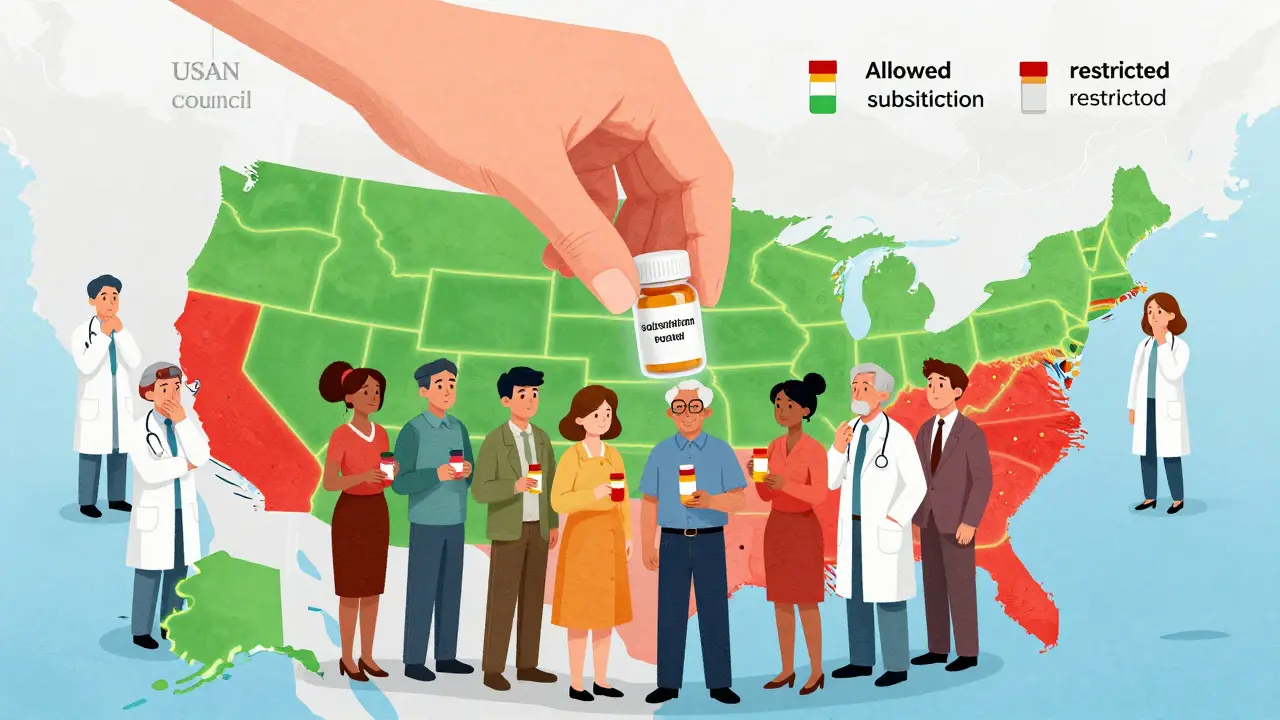
What Happens When Rules Clash?
Here’s where things get messy. Pharmacists are required by law to substitute generics unless the doctor says no. But if the doctor’s medical society says don’t substitute for NTI drugs, and the state law says you can, who wins? In practice, it’s the doctor. Most pharmacists will check the prescription for a “dispense as written” note or call the prescriber if they’re unsure. But that’s not always possible. In rural areas or busy pharmacies, there’s no time to call. That’s why some states have passed laws specifically banning automatic substitution for NTI drugs. Others haven’t. This patchwork of rules creates confusion for both providers and patients. A patient who moves from Texas to New York might find their epilepsy medication suddenly switched - even if their doctor never approved it.What Should You Do as a Patient?
If you’re on a medication for epilepsy, thyroid disease, warfarin, or certain cancer treatments, ask your doctor: “Is this drug safe to switch to a generic?” Don’t assume it is. If your doctor says no, make sure they write “dispense as written” or “no substitution” on the prescription. If you’re on a common drug like metformin or atorvastatin, generics are almost always fine. Keep an eye out for changes. If you start feeling different after a refill - more side effects, less effectiveness - tell your doctor. It could be the generic. It could be something else. But don’t ignore it.Where Is This All Heading?
Medical societies are moving toward aligning more closely with the FDA’s therapeutic equivalence ratings. The FDA’s Orange Book, which lists which generics are considered interchangeable, is becoming the baseline for most guidelines. But exceptions will remain for NTI drugs. That’s not resistance - it’s responsibility. The future isn’t about banning generics. It’s about smarter substitution. Better naming. Clearer rules. And more communication between doctors, pharmacists, and patients. The goal is simple: get the right drug to the right person, at the right time, without unnecessary risk.Are generic drugs really as effective as brand-name drugs?
For most drugs, yes. The FDA requires generics to have the same active ingredient, strength, and bioequivalence as the brand. Over 90% of prescriptions in the U.S. are for generics, and they work just as well for conditions like high blood pressure, diabetes, and depression. But for drugs with a narrow therapeutic index - like seizure medications, thyroid hormones, or blood thinners - even small differences can matter. Always check with your doctor before switching.
Why do some doctors refuse to allow generic substitution?
Doctors who oppose substitution are usually treating patients with conditions where tiny changes in drug levels can cause serious harm. Neurologists, for example, worry that switching antiepileptic drugs could trigger seizures. Endocrinologists are cautious with thyroid meds because even a slight drop in hormone levels can cause fatigue, weight gain, or depression. These aren’t blanket rejections - they’re targeted concerns based on real patient outcomes.
Can pharmacists substitute generics without my doctor’s permission?
In most states, yes - unless your doctor writes “dispense as written” or “no substitution” on the prescription. But for drugs with a narrow therapeutic index, many states require the prescriber’s consent before substitution. If you’re on a medication for epilepsy, warfarin, or certain cancer treatments, always confirm whether substitution is allowed and whether your doctor has restricted it.
How do I know if my generic drug is causing problems?
Pay attention to how you feel after a refill. If you notice new side effects - like dizziness, nausea, fatigue, or mood changes - or if your condition seems less controlled (like more seizures, higher INR levels, or worsening symptoms), it could be the switch. Keep a symptom log and bring it to your doctor. Don’t assume it’s just “in your head.”
Why do generic drugs have different names than brand names?
Generic drugs use nonproprietary names created by the American Medical Association’s USAN Council. These names are designed to be clear, safe, and consistent. They often include a stem that tells you the drug’s class - like “-pril” for ACE inhibitors or “-lol” for beta-blockers. This helps doctors and pharmacists quickly identify what a drug does and reduces the chance of errors.
Do insurance companies push for generics to save money?
Yes. Generic drugs cost far less - they make up 90% of prescriptions but only 23% of total drug spending in the U.S. Insurance plans often require patients to try generics first before covering brand-name versions. That’s not bad - it’s smart economics. But when it comes to NTI drugs, insurers usually follow medical guidelines and won’t force a switch if the doctor says no.
Is there a list of drugs where generic substitution isn’t recommended?
The FDA’s Orange Book lists therapeutic equivalence ratings, but it doesn’t say which drugs you shouldn’t substitute. Medical societies do. The American Academy of Neurology explicitly warns against substituting antiepileptic drugs. The American Thyroid Association and American Heart Association have issued similar cautions for thyroid meds and warfarin. Always ask your doctor or pharmacist if your specific drug is one where substitution is considered risky.
Look, I get that generics save money-but when your kid’s having seizures because the pharmacy swapped Lamictal for some generic that ‘meets FDA standards,’ you stop caring about the price tag. I’ve seen it. I’ve held my breath while waiting for the neurologist to call back. It’s not paranoia-it’s lived experience. And yeah, I punctuate like I’m trying to survive a panic attack. Because sometimes, I am.
THE PHARMA COMPANIES ARE LYING. They let the FDA approve generics that are 20% weaker but still call them ‘bioequivalent.’ I read a whistleblower blog that said the testing labs are owned by Big Pharma. That’s why your thyroid meds make you feel like a zombie. And don’t get me started on the ‘USAN Council’-it’s just a front for the drug cartel. :O
Ah yes, the great generic illusion. We’ve been conditioned to believe that ‘same active ingredient’ means ‘same outcome.’ But philosophy teaches us: identity is not equivalence. Two things can share a core and still be fundamentally different in essence. The body isn’t a chemical reactor. It’s a symphony-and changing one instrument, even slightly, can collapse the whole piece. We worship efficiency, yet we’re terrified of nuance. How tragic.
just wanna say i really appreciate this post!!
i was so scared to switch my metformin but then my dr said it was fine and i’ve been great!
not all generics are bad!!
you guys are doing such a good job raising awareness!!
keep it up!! :)
They’re all in on it. The FDA, the doctors, the pharmacists. Why do you think they let generics in? So you can’t afford the real meds anymore. You get sick, you go back to them. They make money off the sickness. That’s why they say ‘90% work fine’-they don’t care about the 10% who die or have seizures. It’s business. Not medicine. And they call us paranoid? We’re the only ones awake.
My aunt takes warfarin and they switched her generic without telling her-she ended up in the ER with a bleed. Now my whole family checks every bottle. If your doc says no substitution, WRITE IT DOWN. Don’t trust the pharmacist to remember. And yes, I’m that person who corrects typos in meds. It’s not OCD-it’s survival.
Generics aren’t the enemy. Fear of change is.
The real issue? We treat medicine like a vending machine-insert coin, get pill. But the body isn’t a machine. It’s alive.
Maybe instead of fighting over substitutions, we should demand better monitoring-blood tests after switches, patient registries, real-time feedback loops.
Tech can help. We just need to ask the right questions.
And yes, I’m an optimist. But I’m also a realist. We can do better. 🌱
MY PHARMACY SWITCHED MY THYROID MED WITHOUT TELLING ME. I CRIED FOR 3 HOURS. I FELT LIKE A ZOMBIE. NOW I TAKE A PICTURE OF EVERY BOTTLE. I’M NOT TAKING CHANCES. 🚨💊