Hyperthyroidism and Stimulants: Heart Risks, Anxiety, and Safe Alternatives
Hyperthyroidism & Stimulant Risk Estimator
Patient Profile Inputs
Estimated Physiological Impact
Imagine your heart is already running a marathon because of an overactive thyroid. Now imagine adding a chemical sprint to that mix. This is the reality for people with hyperthyroidism who take stimulant medications like Adderall or Ritalin. The combination doesn't just add up; it multiplies the stress on your cardiovascular system and nervous system. You might be seeking focus for ADHD, but you could inadvertently trigger severe anxiety, dangerous heart rhythms, or even a hypertensive crisis.
This isn't just theoretical worry. Medical data shows that roughly 15-20% of adults with undiagnosed hyperthyroidism are initially misdiagnosed with ADHD because the symptoms overlap so heavily. When stimulants are prescribed to someone whose thyroid is already flooding their body with hormones, the result can be life-threatening. Understanding this interaction is critical for anyone managing both conditions or considering starting stimulant therapy.
Why the Combination Is Dangerous
To understand the risk, we have to look at what each condition does to your body individually. Hyperthyroidism means your thyroid gland produces too much thyroxine (T4) and triiodothyronine (T3). These hormones control your metabolism. When levels are high, your body goes into overdrive. Your resting heart rate increases, your blood pressure rises, and you feel jittery or anxious. It’s like your engine is redlining while parked in neutral.
Stimulant medications, such as Adderall (a mix of amphetamine salts) or methylphenidate (Ritalin), work by increasing the availability of neurotransmitters like dopamine and norepinephrine in the brain. While this helps with focus and attention, it also stimulates the sympathetic nervous system-the "fight or flight" response. This causes your heart to beat faster and harder and constricts your blood vessels.
When you combine these two forces, you create a synergistic effect that amplifies the damage. A 2021 study published in the *Journal of Clinical Endocrinology & Metabolism* found that hyperthyroidism increases beta-adrenergic receptor sensitivity by 30-40%. This means your heart becomes hypersensitive to the signals sent by stimulants. Where a normal person might see a modest increase in heart rate, a person with hyperthyroidism could see their pulse skyrocket from a normal 60-100 beats per minute (bpm) to 120-160 bpm. This isn't just uncomfortable; it puts significant strain on the heart muscle.
Cardiovascular Risks: More Than Just Palpitations
The most immediate danger of mixing hyperthyroidism and stimulants is cardiac events. The American Heart Association reported in 2022 that patients with hyperthyroidism taking stimulants face a 3.2-fold increased risk of developing atrial fibrillation compared to those with hyperthyroidism alone. Atrial fibrillation is an irregular, often rapid heart rhythm that can lead to blood clots, stroke, and heart failure.
Blood pressure is another major concern. In healthy individuals, methylphenidate might raise systolic blood pressure by 2-4 mmHg. However, in hyperthyroid patients, this spike can escalate to 10-15 mmHg. For someone whose blood pressure is already elevated due to thyroid hormone excess, this push can tip them into hypertensive crisis territory (>140/90 mmHg). High-dose Adderall (>30mg/day) combined with hyperthyroidism increases the risk of ventricular tachycardia-a potentially fatal heart rhythm disorder-by 4.7-fold compared to patients with normal thyroid function.
| Metric | Normal Thyroid Function | Hyperthyroidism + Stimulants |
|---|---|---|
| Resting Heart Rate Increase | 5-10 bpm | 40-60+ bpm |
| Systolic BP Increase | 2-4 mmHg | 10-15 mmHg |
| Atrial Fibrillation Risk | Baseline | 3.2x Higher |
| Ventricular Tachycardia Risk (High Dose) | Low | 4.7x Higher |
Anxiety and Neurological Effects
While the heart risks are physically dangerous, the neurological effects can be equally debilitating. Hyperthyroidism itself causes anxiety, irritability, and insomnia. Stimulants are known to cause or worsen anxiety in some users. Combining them creates a perfect storm for severe psychological distress.
Data from Thyroid UK (2023) highlights this starkly: 78% of patients with untreated hyperthyroidism who took stimulants reported severe anxiety symptoms, compared to only 22% of hyperthyroid patients not on stimulants. Users frequently describe panic attacks within minutes of dosing, uncontrollable tremors, and a sense of impending doom. One patient on Reddit described their experience: "Adderall made my heart race at 140 bpm constantly with hyperthyroidism - ER visit required." Another noted passing out due to severe palpitations.
This anxiety isn't just "feeling nervous." It is a physiological overload. The excess thyroid hormones prime the nervous system for hyperactivity, and the stimulants pull the trigger. This can lead to sleep deprivation, which further worsens thyroid function and mental health, creating a vicious cycle that is difficult to break without medical intervention.
Diagnostic Overlap: Are You Misdiagnosed?
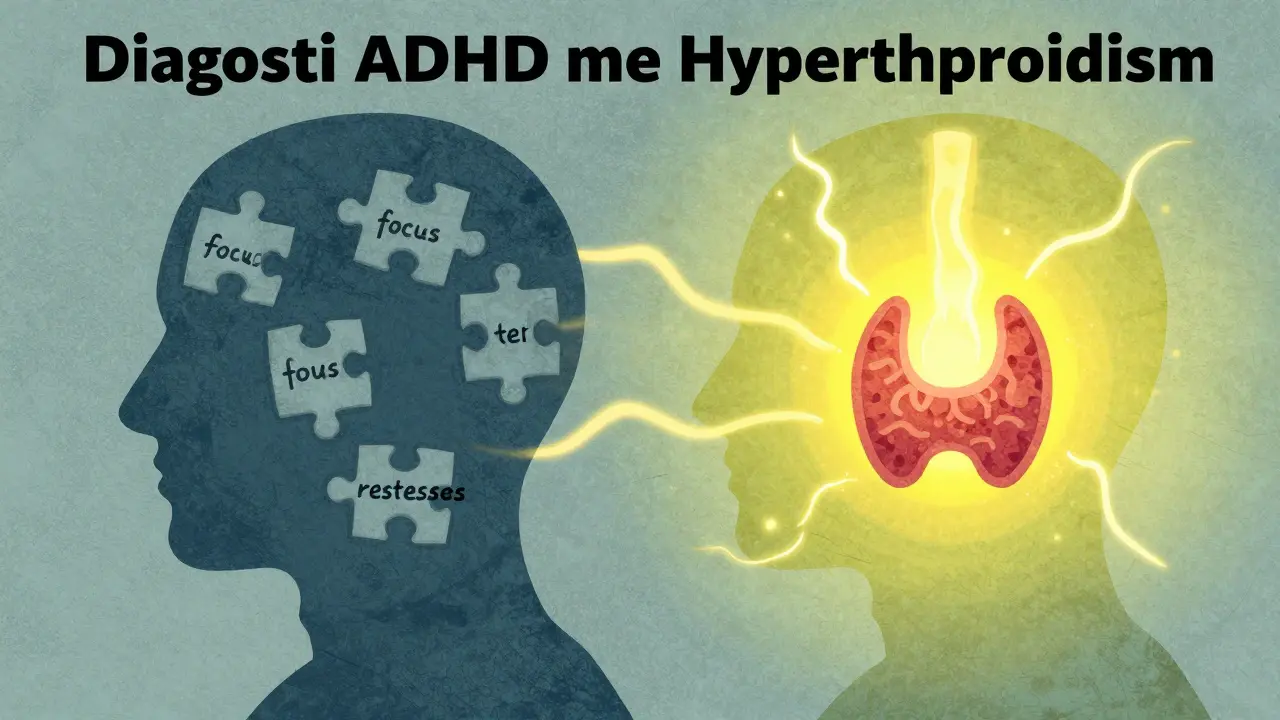
A critical issue in this field is misdiagnosis. Symptoms of hyperthyroidism and ADHD are remarkably similar. Both conditions can cause:
- Inability to concentrate
- Restlessness and fidgeting
- Irritability
- Insomnia
- Rapid speech
Because of this overlap, many people with undiagnosed thyroid issues are prescribed stimulants for ADHD. The Paloma Health patient survey (2022) found that 41% of patients initially diagnosed with ADHD had undiagnosed thyroid abnormalities. Of those, 33% saw their symptoms improve significantly after treating the thyroid condition rather than continuing with stimulants.
This is why current clinical guidelines from the American Association of Clinical Endocrinologists (2022) recommend ruling out thyroid dysfunction before initiating stimulant therapy. If you have been diagnosed with ADHD but also experience weight loss, heat intolerance, or a visible goiter (swollen neck), you need a full thyroid panel. Treating the thyroid may resolve the "ADHD" symptoms entirely, sparing you from unnecessary medication risks.
Safest Medication Options and Management
If you have controlled hyperthyroidism and still require treatment for ADHD, there are safer pathways. The key is careful selection and monitoring. Not all ADHD medications carry the same level of risk.
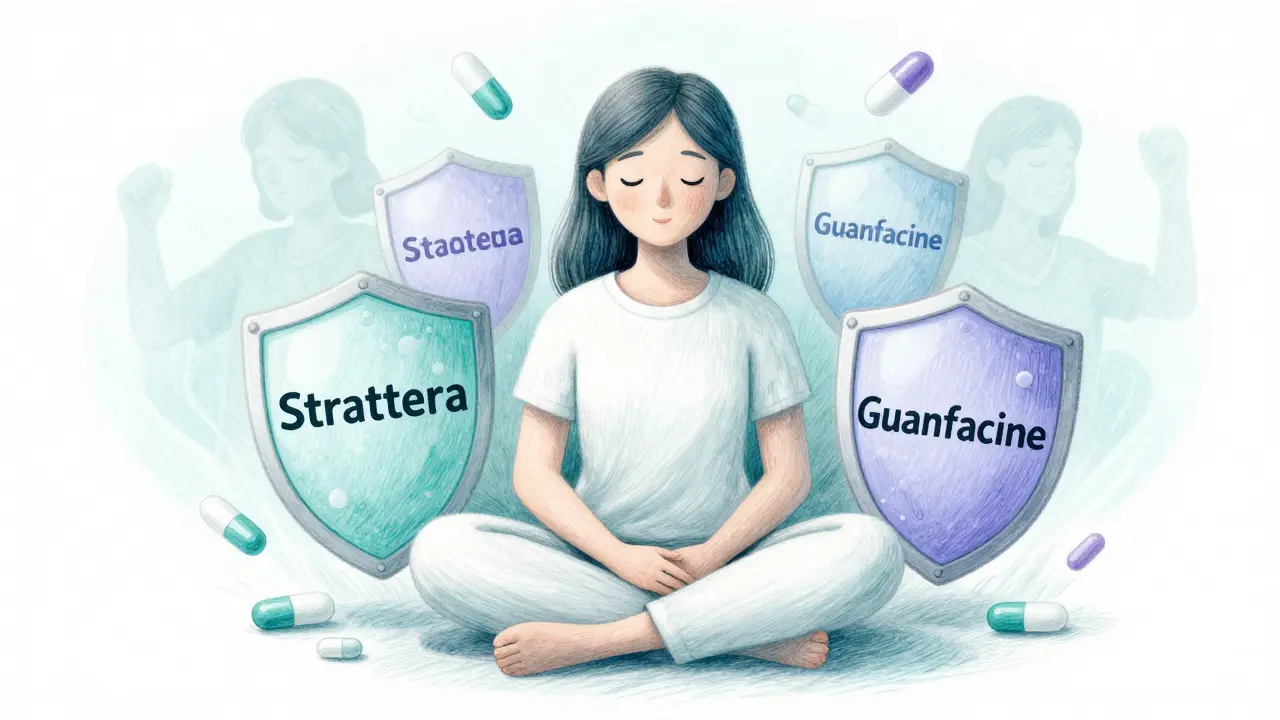
- Non-Stimulant Alternatives: Medications like atomoxetine (Strattera) present substantially lower cardiac risks. FDA data from 2023 shows atomoxetine causes only a 2-3 bpm average heart rate increase, regardless of thyroid status. Guanfacine and clonidine are other options that can help with focus and impulsivity without stimulating the heart.
- Gradual Onset Stimulants: If a stimulant is absolutely necessary, Vyvanse (lisdexamfetamine) may be safer than immediate-release Adderall. A 2021 *Pharmacotherapy* study suggests Vyvanse has a more gradual onset, reducing peak cardiac effects by 15-20%. However, it is still an amphetamine derivative and carries risk.
- Low-Dose Methylphenidate: For patients with mild subclinical hyperthyroidism, low-dose methylphenidate (<18mg/day) may be used cautiously with strict cardiac monitoring. Adderall is generally contraindicated in all hyperthyroid patients according to Endocrine Society guidelines.
Management protocols must include baseline echocardiograms and 24-hour Holter monitoring before starting any stimulant. Doctors should start with the lowest possible dose and increase gradually. Patients must monitor their own vitals, watching for warning signs like a resting heart rate over 110 bpm, chest pain, or anxiety that doesn't subside within two hours of dosing.
Practical Steps for Patients
If you suspect you have both conditions or are worried about interactions, take these steps immediately:
- Get Tested: Request a full thyroid panel (TSH, Free T3, Free T4) if you haven't had one recently. Ensure your endocrinologist and psychiatrist communicate directly.
- Monitor Vitals: Buy a home blood pressure cuff and pulse oximeter. Track your heart rate and blood pressure daily, especially when starting new medications.
- Separate Medications: If you are taking thyroid medication (like levothyroxine) and other supplements, separate them properly. Ferrous sulphate and calcium carbonate can interfere with thyroid absorption. Separate ferrous sulphate by two hours and calcium carbonate by four hours from your thyroid dose.
- Know the Red Flags: Seek emergency care if you experience chest pain, fainting, severe shortness of breath, or a heart rate consistently above 120 bpm at rest.
The landscape of ADHD treatment is evolving. With ADHD diagnoses up 42% since 2016, the risk of prescribing stimulants to undiagnosed thyroid patients is growing. Newer drugs like centanafadine are in trials showing 40% less heart rate elevation than Adderall, offering hope for safer treatments. Until then, vigilance and informed decision-making are your best defenses.
Can I take Adderall if I have hyperthyroidism?
Generally, no. Adderall is typically contraindicated for patients with active hyperthyroidism due to the high risk of exacerbating heart rate, blood pressure, and anxiety. The Endocrine Society and FDA advise extreme caution. If ADHD treatment is necessary, non-stimulant alternatives or carefully monitored low-dose methylphenidate may be considered, but only under strict specialist supervision.
Does hyperthyroidism mimic ADHD symptoms?
Yes, significantly. Symptoms like poor concentration, restlessness, irritability, and insomnia are common in both conditions. Studies show that 15-20% of adults with undiagnosed hyperthyroidism are initially mistaken for having ADHD. It is crucial to rule out thyroid dysfunction via blood tests before diagnosing ADHD.
What are the safest ADHD medications for people with thyroid issues?
Non-stimulant medications like atomoxetine (Strattera), guanfacine, and clonidine are generally safer as they do not significantly increase heart rate or blood pressure. Among stimulants, Vyvanse may have a slightly better safety profile due to its gradual onset, but it still carries risks. Always consult your doctor for personalized advice.
How do stimulants affect thyroid hormone levels?
Some research suggests that long-term use of certain stimulants, particularly in children, may cause a statistically significant drop in thyroxine (T4) levels. Additionally, stimulants can interfere with the absorption of thyroid replacement medications if taken too close together. Proper timing and regular blood monitoring are essential.
What are the warning signs of a dangerous interaction?
Warning signs include a resting heart rate over 110 bpm, chest pain, severe palpitations, sudden spikes in blood pressure, intense anxiety or panic attacks, and fainting. If you experience any of these symptoms after taking a stimulant, seek medical attention immediately.