How to Prevent Accidental Double-Dosing of Medications at Home
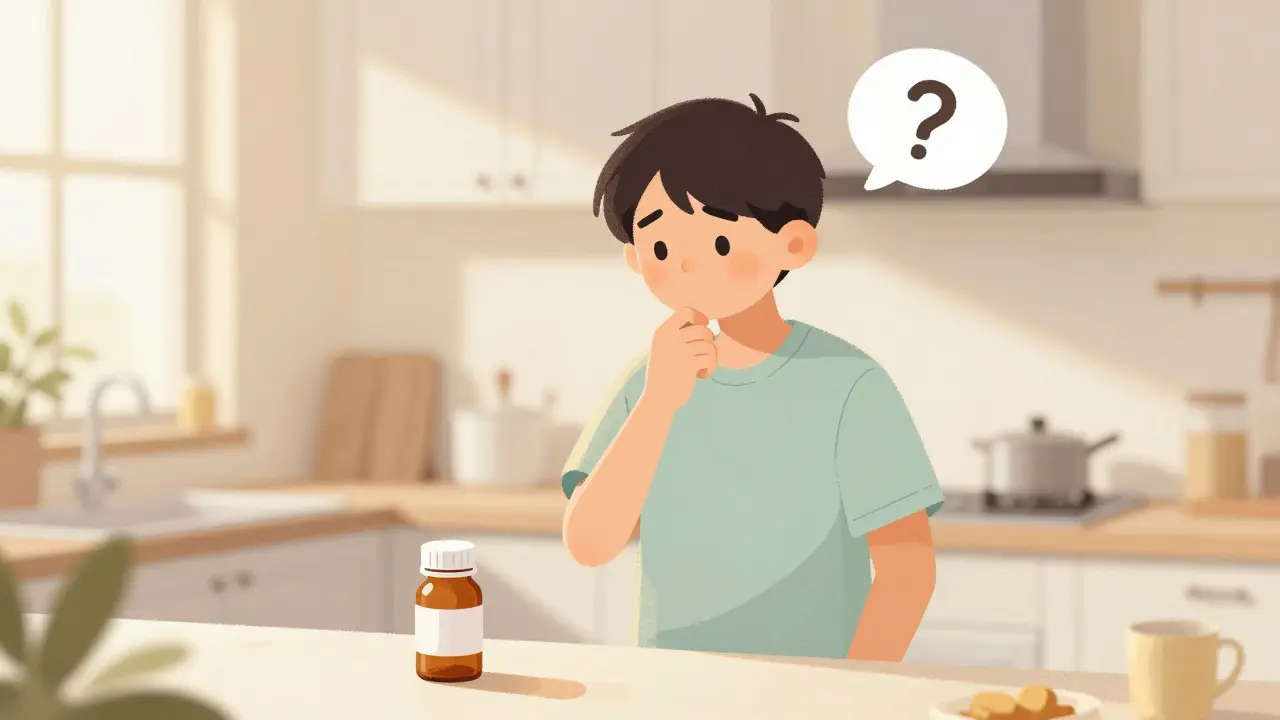
It happens more often than you'd think: you're halfway through your day and suddenly wonder, "Wait, did I actually take my blood pressure pill this morning?" That split second of doubt is where the danger starts. If you guess wrong and take another dose, you've just double-dosed. While it might seem harmless with a vitamin, doing this with prescription meds can lead to serious toxicity or a trip to the emergency room. In fact, medication errors cause at least one death every single day in the U.S., and about half of these adverse events happen right in our own homes.
| Method | Best For | Effectiveness (Error Reduction) | Effort to Setup |
|---|---|---|---|
| Pill Organizers | Multiple daily meds | ~35% | Low |
| Digital Apps | Tech-savvy users | ~87% adherence | Medium |
| Bottle Flipping | Single daily dose | Variable | Very Low |
| Combined (App + Box) | Complex regimens | ~62% | Medium |
The High Cost of a Simple Mistake
When we talk about preventing accidental double-dosing is the process of ensuring a patient does not take two doses of the same medication within the prescribed timeframe, we aren't just talking about a minor slip-up. For seniors taking four or five different prescriptions daily, a double dose of something like Warfarin can lead to dangerous internal bleeding. For children, the risks are even higher because their smaller bodies can't handle the same concentration of a drug as an adult.
The financial toll is staggering too. The U.S. Food and Drug Administration (FDA) estimates that these preventable errors cost around $42 billion annually. But the real cost is the anxiety and health scares that come with a medication mistake. Many people experience "pill anxiety," that nagging feeling of uncertainty that leads to the very mistake they are trying to avoid.
Low-Tech Solutions That Actually Work
You don't need a PhD in computer science to keep your meds safe. Some of the most effective tools are the simplest. A pill organizer-those plastic boxes with days of the week-is a gold standard for a reason. If the Tuesday morning slot is empty, you took your pill. If it's full, you didn't. It's that simple. Using these reduces errors by about 35% on its own.
If you only take one pill a day, try the "flip method." When you take your dose, turn the bottle upside down on the counter. At the end of the day, if the bottle is still standing upright, you missed it. If it's upside down, you're good. This provides an immediate visual cue that removes the guesswork.
Going Digital: Apps and Smart Tech
If you're comfortable with a smartphone, digital reminders are a game-changer. Apps like Medisafe allow you to log doses in real-time. One study found an 87% improvement in adherence when people used these synchronized tracking systems. The magic happens when you combine digital alerts with a physical pill box; this duo can cut double-dosing errors by up to 62%.
For those with severe memory issues or high-risk medications, "smart pill dispensers" are emerging. These devices can actually lock after a dose is administered, making it physically impossible to take a second dose too early. Some newer AI-powered systems can even learn your patterns and flag an anomaly if you try to access a medication outside of your usual window.
Special Precautions for Children
Preventing overdoses in kids requires a different playbook. One of the biggest dangers is "caregiver overlap." This happens when Mom gives a dose, but Dad doesn't know, so he gives another one an hour later. To stop this, designate one "lead medication giver." Assigning the task to a single person can reduce double-dosing incidents by nearly 50%.
Another critical point: throw away the kitchen spoons. Kitchen spoons vary by 20-65% in volume, meaning you could accidentally give a child significantly more medicine than intended. Always use the oral syringe or the specific measuring cup that came with the product. A standard teaspoon should be exactly 5mL, but some household spoons range from 2.5mL to 7.3mL, which is a dangerous gap when dealing with pediatric dosing.
Hidden Dangers: Duplicate Ingredients
Sometimes double-dosing happens without you even taking the same bottle twice. This occurs when two different products contain the same active ingredient. For example, you might take a prescription cough suppressant and an over-the-counter cold medicine, not realizing both contain the same drug. This is why keeping a comprehensive medication list-including vitamins and supplements-is vital.
Pharmacists have noted that about 32% of double-dosing incidents involve these overlapping ingredients. The best move is to take all your bottles to your pharmacist and ask, "Are any of these doing the same thing?" They can spot duplications that aren't obvious to the average person.
Building a Fail-Safe Routine
The best way to ensure you don't double-dose is to tie your medication to a habit you already have. This is called "habit stacking." Instead of trying to remember a random time, take your meds right after you brush your teeth or while your coffee is brewing. When the action becomes automatic, you're less likely to forget-and less likely to wonder if you've already done it.
Be mindful of "trigger events" that disrupt your routine. Travel, daylight saving time changes, and hectic holiday schedules are the top three scenarios where mistakes happen. If you're traveling, pack your pill organizer rather than individual bottles to keep your system intact. If the clocks change, set a manual alarm on your phone to remind you that your internal clock might be off by an hour.
What should I do if I realize I've double-dosed?
First, stay calm. Don't wait for symptoms to appear. Immediately call the National Poison Control Center at 1-800-222-1222 or contact your prescribing physician. Have the medication bottle in hand so you can tell them exactly what the active ingredients and dosages are.
Are pill organizers safe for all types of medication?
Most are, but some medications are light-sensitive or require refrigeration. If your medication must stay in its original amber bottle or be kept in the fridge, a standard plastic pillbox isn't appropriate. Ask your pharmacist if your specific meds can be removed from their original packaging.
Can I use a kitchen spoon if I lose my dosing syringe?
No. Kitchen spoons are not standardized measuring tools. They can vary significantly in size, leading to under-dosing or dangerous over-dosing. If you lose your syringe, call your pharmacy for a replacement before giving the next dose.
How do I identify "duplicate" medications in different products?
Look at the "Active Ingredients" section on the Drug Facts label of over-the-counter meds and compare them to your prescriptions. If you see the same chemical name (e.g., Acetaminophen) in two different products, you may be double-dosing. A pharmacist is the best person to help you audit your list.
Which is better: a digital app or a pillbox?
Neither is "perfect" on its own. Pillboxes provide a physical visual check, while apps provide a timely alert. For the highest level of safety, use both: the app tells you it's time to take the pill, and the pillbox confirms whether the dose was actually removed.
Next Steps for Your Home Safety
If you're managing meds for yourself or a loved one, start with a simple audit. Gather every single bottle, vitamin, and supplement in the house. Create a master list and share it with your primary care doctor and pharmacist. If you have multiple people helping with care, set up a shared digital calendar or a physical checklist on the fridge where the giver initials the dose immediately after administration. This removes the "did they/did I" guesswork and keeps everyone safe.
Totally agree on the synergistic effect of combining digital alerts with a physical pillbox! 🌟 Using a dual-modality approach really mitigates the risk of cognitive lapses during high-stress periods. It's basically building a redundant fail-safe into your daily pharmacological protocol. 💊✨
Eh, looks like a lot of work just to not take two pills. Most people just remember or they don't.
The fact that we have to rely on 'apps' to remember basic survival functions is a testament to the decay of the human spirit in the modern age. We have traded our innate discipline for the convenience of a silicon chip. It is a moral failure that we have become so detached from our own bodily autonomy that we need a notification to tell us we are alive and need medicine. True wellness comes from a disciplined mind, not a plastic box from a pharmacy.
Oh sure, because we can totally trust the 'FDA estimates' provided here. I'm sure the pharmaceutical companies love it when we use 'smart dispensers' that probably track every single movement we make and send the data straight to a server in another country. How convenient for them that we're just 'forgetful' while they refine their data harvesting techniques. Absolute joke.
Omg you guys have no idea how stressed I get just thinking about this because last year I actually forgot my meds for three days and I felt like my whole world was collapsing and I couldn't even breathe properly and my family just didn't understand how terrifying it is to feel that gap in your health 😭💔 it's literally the worst feeling in the world when you realize you messed up your routine and you just start spiraling 😱🌪️
I actually tried the flip method for my sister and it was a total disaster! I ended up flipping her bottles for her but then she got mad that I was touching her stuff, but honestly, she's so forgetful she'd be dead without me stepping in and taking over her whole kitchen! 😱
It's really great to see the emphasis on the lead medication giver for kids. I've coached a few parents through this and it truly removes so much friction and anxiety from the household. Just keeping a supportive, shared environment makes a world of difference for the little ones.
This is exactly why American healthcare is a mess compared to the rest of the world! We're over here using 'bottle flipping' while other countries actually have systems that work. Pathetic! 🇺🇸