Gestational Diabetes Diet: Meal Plans and Blood Sugar Targets for a Healthy Pregnancy
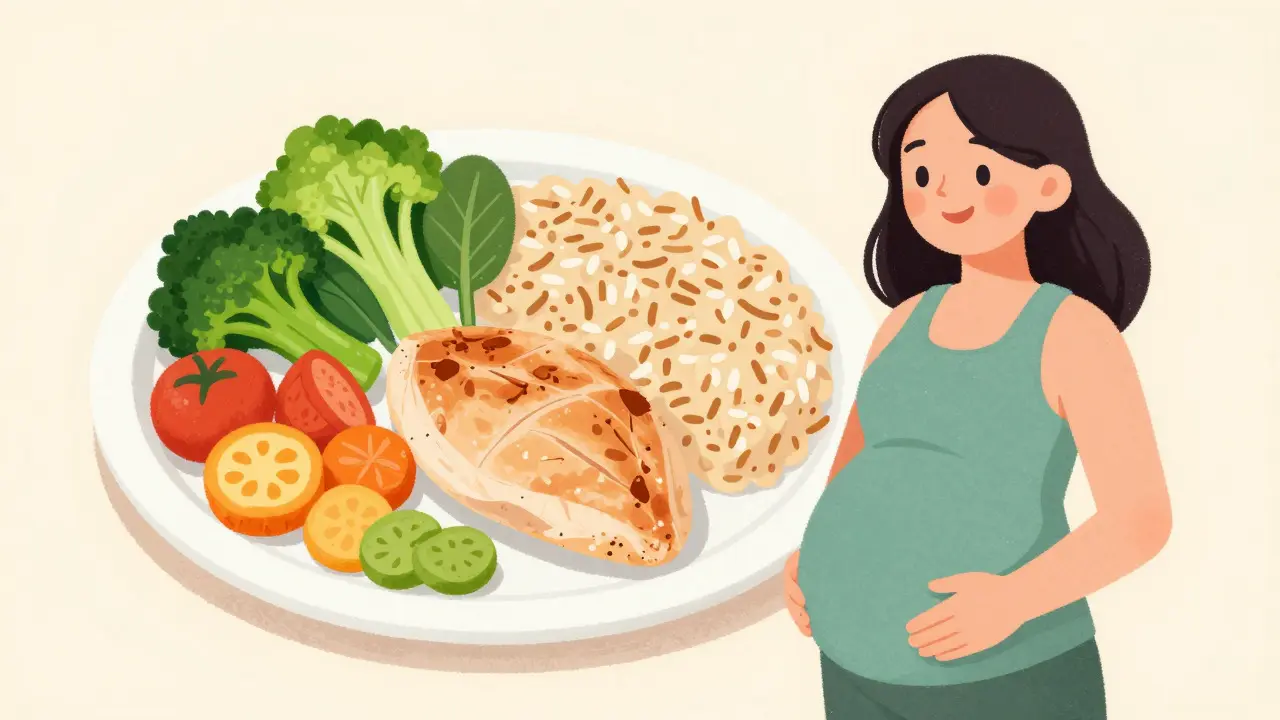
Getting diagnosed with Gestational Diabetes is a condition where blood sugar levels rise during pregnancy, requiring careful dietary management to ensure the health of both mother and baby can feel overwhelming. You might be worried about how this affects your baby or if you have to give up all your favorite foods. The good news? Most women manage this successfully just by adjusting what they eat. You don't need to starve yourself or live on plain chicken and broccoli. With the right meal plan and clear understanding of your numbers, you can keep your blood sugar in check and have a healthy pregnancy.
The goal isn't perfection; it's consistency. Your body is working hard to support new life, and sometimes it resists insulin more than usual. This resistance causes glucose to build up in your blood instead of moving into your cells for energy. By spreading out your carbohydrate intake and choosing the right types of food, you help your body handle that glucose load smoothly. Let’s look at exactly what those targets are and how to build meals that hit them without stress.
Blood Sugar Targets: What the Numbers Mean
Before we talk about food, we need to talk about the goals. Knowing your target ranges helps you understand why certain foods work better than others. These numbers aren't arbitrary; they are based on decades of research to prevent complications like large birth weight (macrosomia) or low blood sugar in the newborn.
| Timing | Target Level (mg/dL) | Why It Matters |
|---|---|---|
| Fasting (before eating) | < 95 mg/dL | Shows how well your body manages baseline glucose overnight. |
| 1 Hour After Eating | < 140 mg/dL | Measures immediate response to a meal's carbohydrate load. |
| 2 Hours After Eating | < 120 mg/dL | Confirms glucose has returned to near-normal levels after digestion. |
If your fasting number is high, it usually means you need a small bedtime snack with protein and fat to keep your liver from dumping glucose while you sleep. If your post-meal numbers are high, it’s likely too many carbohydrates at once or not enough fiber/protein to slow absorption. Keep a log. Patterns will emerge quickly, often within three days of tracking.
The Plate Method: A Simple Visual Guide
You don’t always need a food scale. The Plate Method is a visual strategy for portion control recommended by health organizations to balance macronutrients effectively is widely used because it’s easy to remember and doesn’t require counting every gram. Studies show it works just as well as complex carb-counting for most people, with much less stress.
- Half the plate: Non-starchy vegetables. Think leafy greens, broccoli, cauliflower, zucchini, peppers, and cucumbers. These add volume and fiber without spiking blood sugar.
- One-quarter of the plate: Lean protein. Chicken breast, turkey, fish, tofu, eggs, or lean beef. Protein takes longer to digest and helps stabilize glucose.
- One-quarter of the plate: Carbohydrate sources. Whole grains like brown rice, quinoa, oats, or starchy veggies like sweet potatoes. Limit this section strictly.
Add a small amount of healthy fat-like olive oil, avocado, or nuts-to the meal. Fat slows down gastric emptying, which means glucose enters your bloodstream more slowly. For example, a slice of whole-grain bread alone might spike your sugar, but that same bread with peanut butter and an apple keeps things steady.
Daily Meal Plan Structure
Consistency is key. Skipping meals can actually cause blood sugar swings. When you go too long without eating, your body may release stored glucose, raising your fasting numbers later. Aim for three balanced meals and two to three snacks spaced evenly throughout the day.
Breakfast Ideas
Morning is often the hardest time for blood sugar due to natural hormonal changes. Avoid sugary cereals or fruit juice. Instead, try:
- Scrambled eggs with spinach and one slice of whole-grain toast.
- Greek yogurt (unsweetened) with a handful of almonds and a few berries.
- Oatmeal made with water or milk, topped with chia seeds and walnuts (keep portions small).
Lunch and Dinner
Use the plate method here. Swap white rice for quinoa or cauliflower rice. Mix ground turkey with extra veggies in tacos. Stir-fry chicken with broccoli and bell peppers over a small bed of brown rice. Always prioritize the non-starchy vegetables first when you eat. This "food order" trick can lower post-meal spikes significantly.
Snacks
Snacks should bridge the gap between meals to prevent hunger-induced overeating. Good options include:
- Apple slices with almond butter.
- Cottage cheese with cucumber slices.
- A hard-boiled egg and a few crackers.
- Carrot sticks with hummus.
Understanding Carbohydrates and Glycemic Index
Not all carbs are created equal. The Glycemic Index (GI) is a ranking system for foods based on how quickly they raise blood sugar levels compared to pure glucose helps you choose wisely. Low-GI foods break down slowly, providing a steady release of energy. High-GI foods cause rapid spikes.
Focus on complex carbohydrates with high fiber content. Fiber acts like a net in your digestive system, catching sugars and slowing their absorption. Look for foods with at least 5 grams of fiber per serving. Whole grains, legumes, beans, and vegetables are your best friends. White bread, white rice, pastries, and sugary drinks are high-GI and should be minimized or avoided.
Pairing carbs with protein or fat also lowers the overall glycemic impact of a meal. For instance, eating an apple (carbs) with cheese (protein/fat) results in a gentler blood sugar curve than eating the apple alone.
Foods to Limit or Avoid
While you don’t need to eliminate entire food groups, some items are particularly challenging for gestational diabetes management:
- Sugary beverages: Soda, fruit juices, and sweetened teas deliver liquid sugar that hits your bloodstream instantly. Stick to water, sparkling water, or unsweetened tea.
- Refined grains: White bread, regular pasta, and pastries lack fiber and digest too quickly.
- Processed snacks: Chips, cookies, and candy bars are designed for quick energy, not stable blood sugar.
- Ripe fruits: Very ripe bananas or mangoes have higher sugar concentrations. Choose firmer, greener fruits when possible.
Practical Tips for Success
Managing gestational diabetes is a marathon, not a sprint. Here are some real-world strategies to make it easier:
- Walk after meals: A 10-15 minute walk after eating helps your muscles use glucose without needing extra insulin. It’s one of the most effective non-dietary interventions.
- Stay hydrated: Water helps your kidneys flush out excess sugar through urine. Aim for 8-10 glasses a day.
- Read labels carefully: Look for "net carbs" (total carbs minus fiber). Many packaged foods hide sugar under names like sucrose, fructose, maltose, or corn syrup.
- Prep ahead: Cook grains in bulk and portion them out. Having ready-to-eat healthy options prevents last-minute unhealthy choices when you’re tired.
- Don’t skip breakfast: As mentioned, morning hormones make insulin resistance worse. A balanced breakfast sets the tone for the day.
When to Call Your Doctor
Diet and lifestyle changes manage gestational diabetes for about 70% of women. However, if your numbers remain consistently above target despite strict adherence to the meal plan, your healthcare provider may recommend medication like metformin or insulin. This isn’t a failure; it just means your body needs a little extra help to keep you and your baby safe.
Regular monitoring is essential. Check your blood sugar as directed by your care team. Keep a detailed log of your food, activity, and glucose readings. This data helps your doctor tailor your treatment plan effectively.
Can I eat fruit with gestational diabetes?
Yes, but portion control is crucial. Fruit contains natural sugars. Limit servings to about 15 grams of carbohydrates per snack. Berries, apples, and pears are good choices because they have fiber. Avoid fruit juices and dried fruits, which are concentrated sources of sugar.
How much protein do I need daily?
Protein requirements increase during pregnancy. Aim for about 70-100 grams per day, spread across meals. Include sources like lean meats, fish, eggs, dairy, beans, and nuts. Protein helps maintain muscle mass and supports fetal growth while stabilizing blood sugar.
Does gestational diabetes go away after birth?
For most women, blood sugar levels return to normal shortly after delivery. However, having gestational diabetes increases your risk of developing type 2 diabetes later in life. Maintain a healthy weight, stay active, and get screened for diabetes every 1-3 years after pregnancy.
What should I eat before bed to lower fasting glucose?
A small snack containing protein and complex carbs can help. Try a slice of whole-grain toast with peanut butter, or Greek yogurt with a few nuts. Avoid sugary snacks. The goal is to provide a slow-release energy source to prevent your liver from releasing stored glucose overnight.
Is exercise safe with gestational diabetes?
Yes, moderate exercise is generally safe and highly beneficial. Walking, swimming, and prenatal yoga help improve insulin sensitivity. Always consult your doctor before starting a new exercise routine, especially if you have other pregnancy complications.