Gene Therapy and Drug Interactions: Unique Safety Challenges
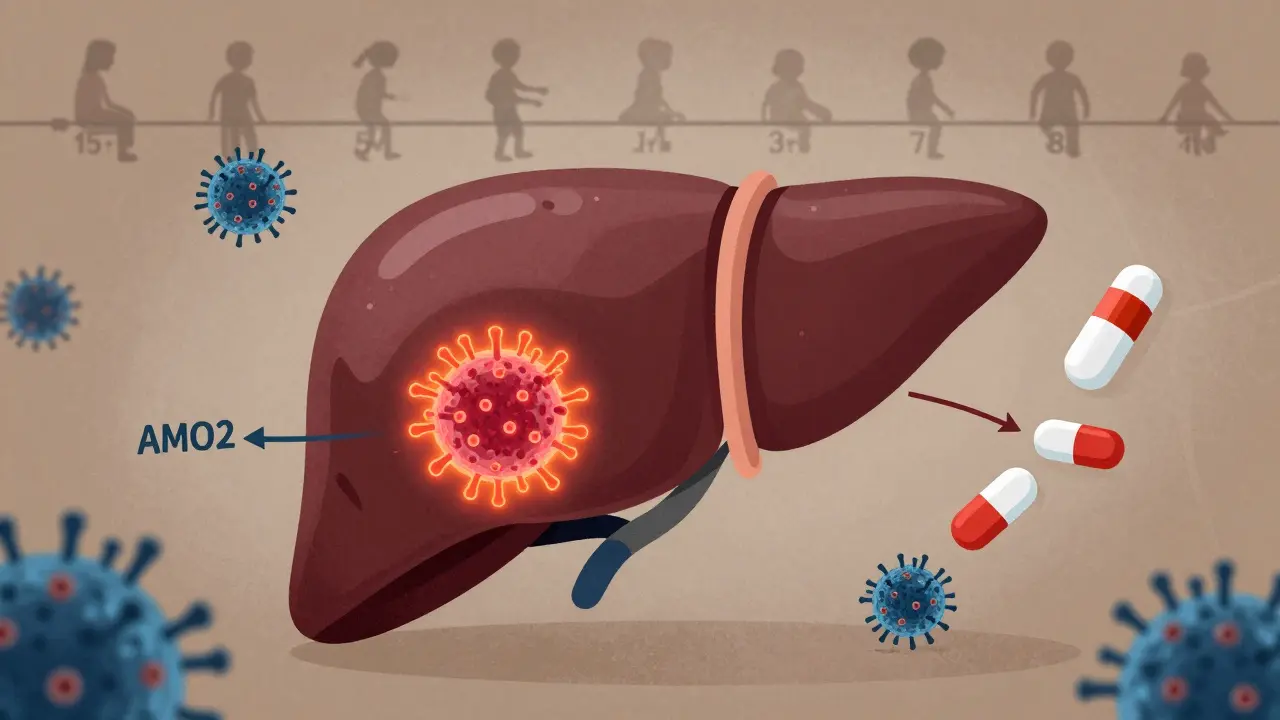
Gene Therapy Drug Interaction Checker
Based on your gene therapy vector and current medications, this tool identifies potential interactions based on known mechanisms from clinical evidence. Always consult your medical team for personalized advice.
Gene therapy isn’t just another treatment option-it’s a rewrite of how medicine works. Instead of managing symptoms with pills or injections, it aims to fix the root cause: faulty genes. But this power comes with hidden risks, especially when patients are also taking other medications. The interaction between gene therapy and conventional drugs isn’t just complicated-it’s unpredictable, and in some cases, deadly.
Why Gene Therapy Isn’t Like Regular Medicine
Most drugs are temporary. You take a pill, it works for a few hours or days, then your body clears it. Gene therapy is different. It’s meant to last. Once the therapeutic gene is delivered into your cells, it can keep producing proteins for years-even for life. That’s why safety rules for gene therapy don’t end after 30 days like they do for most drugs. The FDA requires 15 years of follow-up for therapies using vectors that integrate into DNA or can stay dormant, like herpes simplex virus. Why? Because the dangers don’t always show up right away. In the late 1990s and early 2000s, children with severe immune disorders were treated with retroviral gene therapy. It worked-until it didn’t. Five of those children developed leukemia. The therapy had inserted the new gene right next to a cancer-causing gene called LMO2. That single mistake turned a life-saving treatment into a fatal one. It wasn’t a flaw in the patient’s body. It was a flaw in the delivery system. And that’s just one example of how gene therapy can go wrong in ways no pill ever could.The Viral Delivery Problem
Most gene therapies use viruses to deliver the new gene. These aren’t the viruses that give you the flu-they’ve been stripped of their ability to cause disease. But they still look like viruses to your immune system. That’s the first problem. Your body reacts as if it’s under attack. In 1999, 18-year-old Jesse Gelsinger died after receiving an adenovirus-based gene therapy. His immune system went into overdrive. His liver failed. His organs shut down. He wasn’t allergic. He wasn’t immunocompromised. He just had a body that reacted more violently than anyone expected. This isn’t rare. Different people respond differently to the same viral vector. One person might have mild fever. Another might develop full-blown inflammation that damages the heart, lungs, or brain. And when your immune system is already on high alert, it changes how your body handles other drugs.How Gene Therapy Messes With Your Drug Metabolism
Your liver is the main factory for breaking down drugs. It uses enzymes called cytochrome P450 (CYP450) to process over 70% of all medications. But when a viral vector triggers inflammation, those enzymes can slow down-or speed up. Suddenly, a drug you’ve taken safely for years becomes too strong or too weak. Imagine you’re on warfarin, a blood thinner. Your dose is perfectly tuned. Then you get a gene therapy treatment. The viral vector causes your liver to produce more inflammatory signals. That suppresses CYP2C9, the enzyme that breaks down warfarin. Your blood thins too much. You start bleeding internally. No one told you this could happen. The drug label doesn’t mention gene therapy. The doctor didn’t know to check for it. Or consider statins. If your immune response boosts CYP3A4, your body breaks down the statin faster. Your cholesterol spikes again. You think the drug stopped working. It didn’t. Your gene therapy did. These interactions aren’t theoretical. They’re happening in real patients. But we don’t have a database to track them. No system alerts doctors when a patient on gene therapy starts a new medication. No guidelines say: “Don’t give this drug with that therapy.”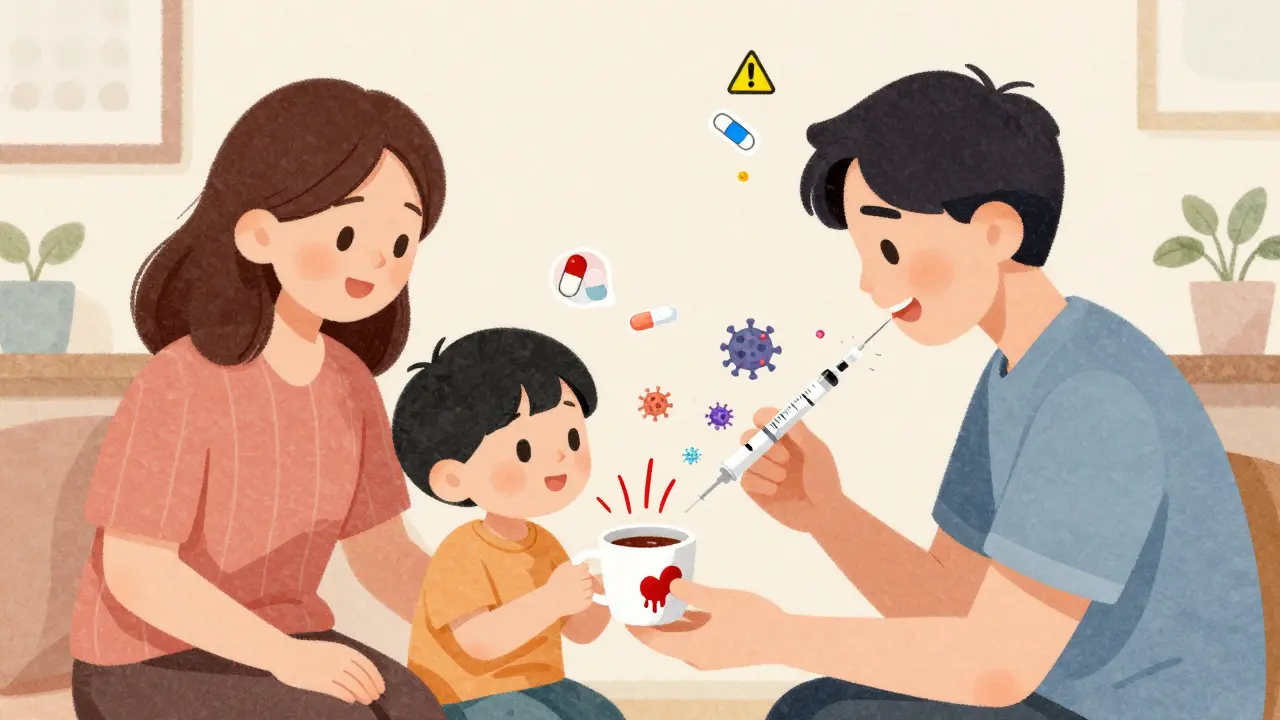
Off-Target Effects and Hidden Risks
Gene therapy isn’t always precise. The vector might deliver the gene to the wrong cells. A therapy meant for the liver might accidentally hit the kidneys or brain. That’s bad enough. But what if it hits cells that metabolize drugs? Say a therapy targets muscle cells to fix a metabolic disorder. But the vector also sneaks into liver cells. Now those liver cells start producing a protein they never made before. That protein might interfere with how your body processes painkillers, antidepressants, or antibiotics. You don’t know it’s happening. Your blood tests look normal. But your body is now processing drugs differently. And then there’s the risk of gene editing tools like CRISPR. They’re supposed to cut and fix one exact spot in the DNA. But they sometimes cut elsewhere. These off-target edits could disable tumor-suppressor genes. Or activate ones that make cancer grow. That’s a silent timer. It could take five, ten, fifteen years before a tumor shows up. And by then, you’ve been on multiple drugs-each one potentially interacting with your altered genome.What Happens to Your Family?
Here’s something most people don’t realize: gene therapy can spread. Some viral vectors can be shed in saliva, urine, or semen. The FDA requires companies to prove their therapy won’t transmit to others. But what if it does? A husband gets gene therapy. His wife gets sick from a virus he passed on. She didn’t consent. She wasn’t monitored. She didn’t know she was now carrying a modified gene. And if she’s on birth control, diabetes meds, or blood pressure pills-her body’s reaction to those drugs might change too. This isn’t science fiction. In early trials, adenovirus vectors were detected in family members’ stool samples. No one knew what to do. No one knew if it was dangerous. No one knew if it affected drug metabolism in those exposed.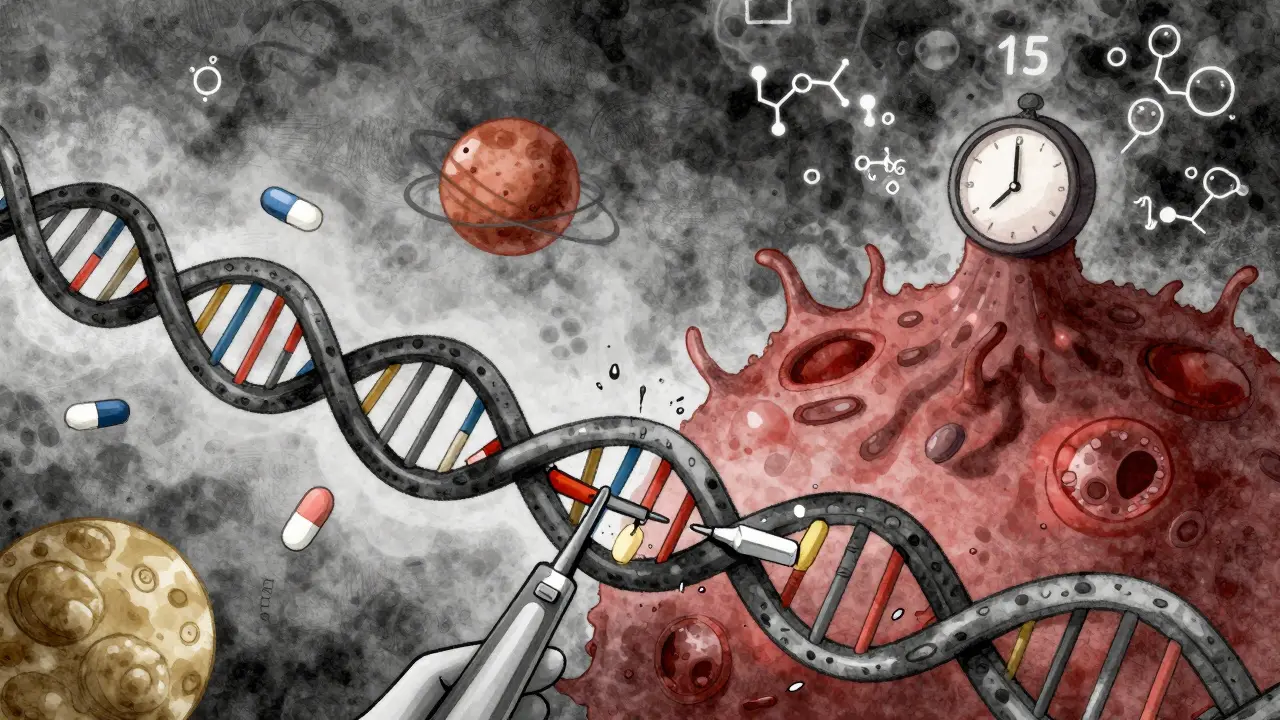
Why We Don’t Have Answers Yet
We’re flying blind. There are no large studies tracking how gene therapy changes drug levels in real patients over time. No one’s collecting data on which drugs interact with which vectors. No one’s mapping how age, genetics, or existing conditions affect these interactions. We know AAV vectors-now the most common delivery system-have different serotypes. AAV9 targets the brain. AAV8 targets the liver. But we don’t know how each one affects CYP enzymes differently. We don’t know if someone with a genetic variant in CYP2D6 will react worse to AAV1 than to AAV6. And we don’t have guidelines. If a patient gets gene therapy for spinal muscular atrophy, can they still take baclofen? What about antiseizure meds? Can they get vaccinated? Can they take antibiotics after surgery? No one knows.What Needs to Change
Right now, gene therapy is approved based on short-term results. Safety monitoring ends after a few years. But the risks last decades. We need:- Long-term registries that track every patient who gets gene therapy-and every drug they take afterward.
- Drug interaction databases specifically for gene therapies, updated as new data comes in.
- Pre-treatment screening for CYP450 variants and immune markers before therapy begins.
- Clear warnings on drug labels: “Use with caution in patients receiving gene therapy.”
- Standardized protocols for managing medications during and after gene therapy.
The Bottom Line
Gene therapy is revolutionary. But it’s not magic. It’s biology-and biology doesn’t care how advanced our tools are. It reacts. It adapts. It surprises. If you or someone you know is considering gene therapy, don’t assume your current medications are safe. Talk to a specialist who understands both genetics and pharmacology. Ask: “What drugs should I stop before this? What should I avoid after? What if I get sick next year?” The answer might be: We don’t know yet. And that’s the biggest risk of all.Can gene therapy cause drug interactions even years after treatment?
Yes. Gene therapies designed for long-term or permanent expression can alter how your body processes drugs for years. If the therapy changes liver function, immune response, or cell metabolism, it can affect how medications like blood thinners, antidepressants, or statins are broken down. These changes may not appear until months or years later, which is why 15-year follow-up is required for some therapies.
Do all gene therapies interact with drugs the same way?
No. Different viral vectors-like AAV, adenovirus, or lentivirus-trigger different immune responses and target different tissues. AAV8 primarily affects the liver, so it’s more likely to interfere with drugs metabolized by CYP450 enzymes there. AAV9 targets the brain and may affect neurological medications. The type of vector, the dose, and your genetic makeup all determine your risk.
Should I stop my medications before gene therapy?
Never stop any medication without consulting your care team. Some drugs, like immunosuppressants or corticosteroids, may be given before or after gene therapy to reduce inflammation. Others, like NSAIDs or certain antibiotics, might need to be paused temporarily to avoid interfering with the therapy or worsening side effects. Your doctor should review every medication you take, including supplements and over-the-counter drugs.
Can gene therapy make me more sensitive to side effects from drugs?
Absolutely. Gene therapy can cause inflammation that changes how your liver and kidneys process drugs. This can lead to higher drug levels in your blood, increasing side effects. For example, someone on a statin might develop muscle pain or liver damage sooner than expected. Someone on antidepressants might feel overly sedated. These effects are unpredictable and vary from person to person.
Is there a list of drugs to avoid with gene therapy?
There is no universal list yet. Each gene therapy product is unique, and interaction data is still emerging. Some manufacturers provide guidance for their specific product, but this is limited. The safest approach is to disclose your gene therapy to every doctor, pharmacist, and specialist you see-even for unrelated conditions. Keep a detailed log of all medications and report any new side effects immediately.
Can gene therapy affect how vaccines work?
Yes. Gene therapies that trigger strong immune responses can interfere with how your body responds to vaccines. Some patients may not develop full immunity after vaccination because their immune system is already activated. Others might have exaggerated reactions, like high fever or swelling. Timing matters: doctors often recommend delaying vaccines for several months after gene therapy to avoid complications. Always check with your care team before getting any vaccine.
Gene therapy sounds like a miracle until you realize we’re playing Russian roulette with your liver enzymes
i just read this and my head is spinning like a top
It is imperative to underscore, with the utmost gravity, that the integration of gene therapy into clinical practice demands a paradigmatic shift in pharmacovigilance protocols. The current regulatory frameworks, predicated on transient pharmacological interventions, are fundamentally inadequate to address the longitudinal, systemic, and epigenetic ramifications of permanent gene modification. We are not merely managing drug interactions; we are navigating uncharted biological landscapes where the very architecture of human metabolism is being reprogrammed.
so if you get this therapy, you gotta tell every doctor you ever see from now on? that sounds like a lot
we think we’re curing disease but really we’re just adding new ghosts to the body. ones that whisper in the language of enzymes and silence the alarms of old pills. you take your statin like clockwork, then one day, your liver forgets how to listen. no warning. no siren. just a slow, quiet collapse you didn’t sign up for.
why are we even doing this if we don’t know the rules
Look, this isn’t fearmongering - it’s responsibility. We’ve got patients walking around with gene edits that could change how they process meds for decades. We need mandatory registries. We need pharmacogenomic screening before treatment. We need drug labels that say ‘THIS MAY BREAK YOUR MEDS’ in bold. This isn’t sci-fi - it’s today’s ER waiting room. If we don’t act now, people are going to die because a doctor didn’t know to ask.
the silence after the therapy… that’s the scariest part. no one talks about how you’re suddenly a walking experiment. your body’s a new ecosystem. and you’re the only one who knows it changed. you take your antidepressant like always… but the sadness doesn’t lift. you think it’s you. but maybe it’s the virus that slipped into your liver and rewired your brain’s chemistry. no one warned you. no one even knew to look.
People are treating gene therapy like a magic bullet while ignoring the fact that they’re inserting foreign DNA into their bodies and then acting surprised when their immune system goes haywire. This isn’t a breakthrough - it’s a gamble with human biology, and the rest of us are left cleaning up the mess when it blows up.
They gave me gene therapy. Now I can’t take ibuprofen without my kidneys screaming. My doctor said ‘we didn’t know’ like that’s an excuse. I’m not a test subject. I’m a person. And now my whole medication list is a minefield. What happens when I need surgery? What if I get the flu? Who’s gonna pay for my lifelong drug monitoring? No one. Because they got their FDA approval and moved on to the next shiny thing.
so basically we’re all just lab rats now with a side of ‘hope’ and a sprinkle of ‘we’ll figure it out later’? 🤡