FDA Flush List: Which Medications to Flush Down the Toilet for Safety
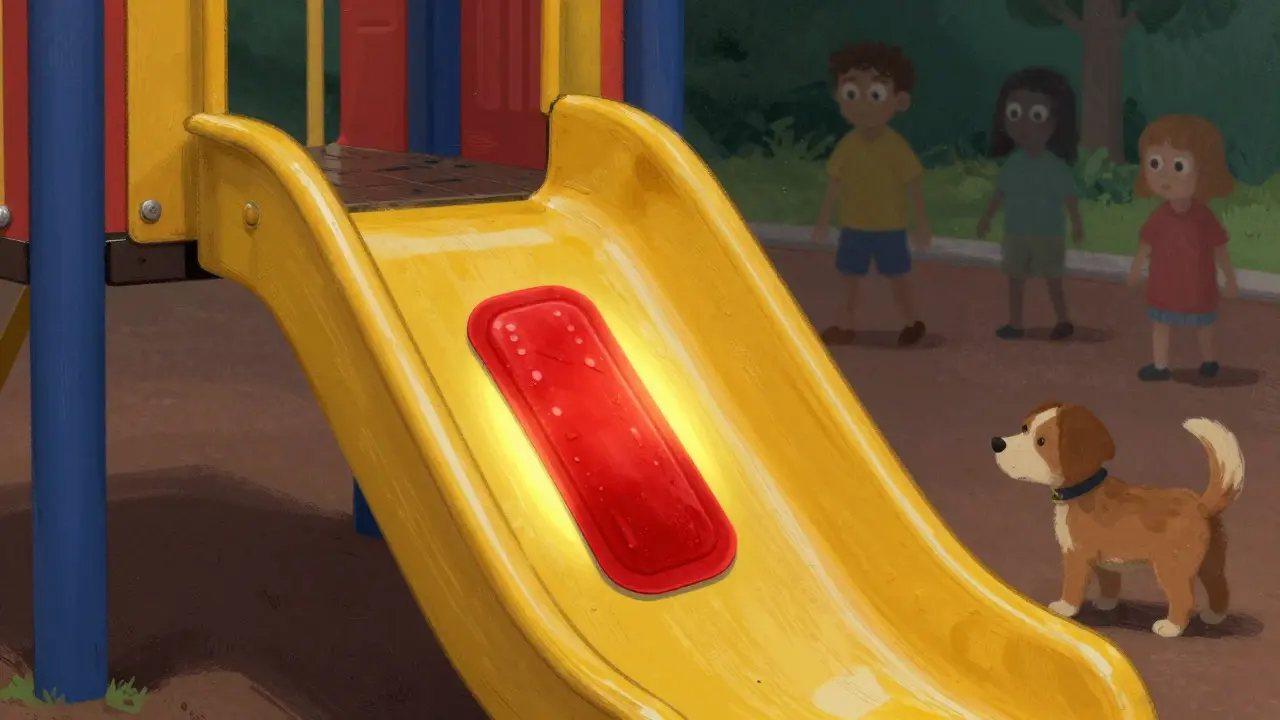
Imagine finding a used painkiller patch stuck to a playground slide. It sounds like a nightmare scenario, but it happens more often than you might think. For most of us, throwing old pills into the trash seems like the easiest way to get rid of them. But what if those pills end up in the hands of a curious child or a pet? That is exactly why the U.S. Food and Drug Administration (FDA) created a specific "Flush List." This isn't about saving the environment first; it is about preventing immediate, life-threatening accidents.
If you have leftover prescription medications at home, knowing which ones belong on this short list can save a life. The FDA recommends flushing only a small number of high-risk drugs when no other disposal option is available. Let’s break down exactly which medications these are, why they are so dangerous, and how to handle them safely.
Why Flush Instead of Trash?
You might wonder why the government would suggest putting chemicals down the drain. Isn’t that bad for the water supply? It is a valid concern. However, the FDA made a tough call based on risk assessment. For certain powerful drugs, the risk of someone accidentally ingesting them from the trash outweighs the potential environmental impact of flushing them.
According to the FDA’s guidance updated in April 2024, the Flush List includes medications that pose an extraordinary risk of accidental exposure, misuse, or fatal overdose. We are talking about drugs where just one dose could cause death or serious harm if taken by the wrong person. Dr. Scott Gottlieb, former FDA Commissioner, put it bluntly: the list is intentionally short and only includes medicines that are most dangerous in the wrong hands.
The Environmental Protection Agency (EPA) agrees with this approach but adds a crucial caveat. They state that flushing should only happen in households where children or pets might access the trash. If you live alone with no kids or animals, and you have a secure trash bin, the pressure to flush is lower-but the safest bet remains using a take-back program whenever possible.
The Official FDA Flush List
The list is not random. It focuses heavily on opioids and other potent substances. Here are the active ingredients and brand names currently recommended for flushing if take-back options are unavailable:
- Buprenorphine: Found in brands like BELBUCA, BUAVAIL, BUTRANS, SUBOXONE, SUBUTEX, and ZUBSOLV.
- Fentanyl: Includes ABSTRAL, ACTIQ, DURAGESIC patches, FENTORA, and ONSOLIS.
- Hydromorphone: Specifically EXALGO extended-release tablets.
- Meperidine: Known as DEMEROL.
- Methadone: Brands include DOLOPHINE and METHADOSE.
- Morphine: Such as ARYMO ER, AVINZA, EMBEDA, KADIAN, MORPHABOND ER, MS CONTIN, and ORAMPH SR.
- Oxymorphone: OPANA and OPANA ER.
- Tapentadol: NUCYNTA and NUCYNTA ER.
- Sodium Oxybate: XYREM and XYWAV.
- Diazepam Rectal Gel: DIASTAT and DIASTAT ACUDIAL.
- Methylphenidate Transdermal System: DAYTRANA.
Note that this list changes. The FDA reviews it regularly. In 2021, they removed 11 medications because safer formulation alternatives became available. Always check the latest FDA website or your medication label before deciding to flush.
Special Care for Patches
If you use transdermal patches, extra caution is needed. These patches continue to release medication even after you remove them. A used fentanyl patch is a highly potent opioid delivery system that retains significant drug residue after use, for example, can still deliver a lethal dose to a child or pet.
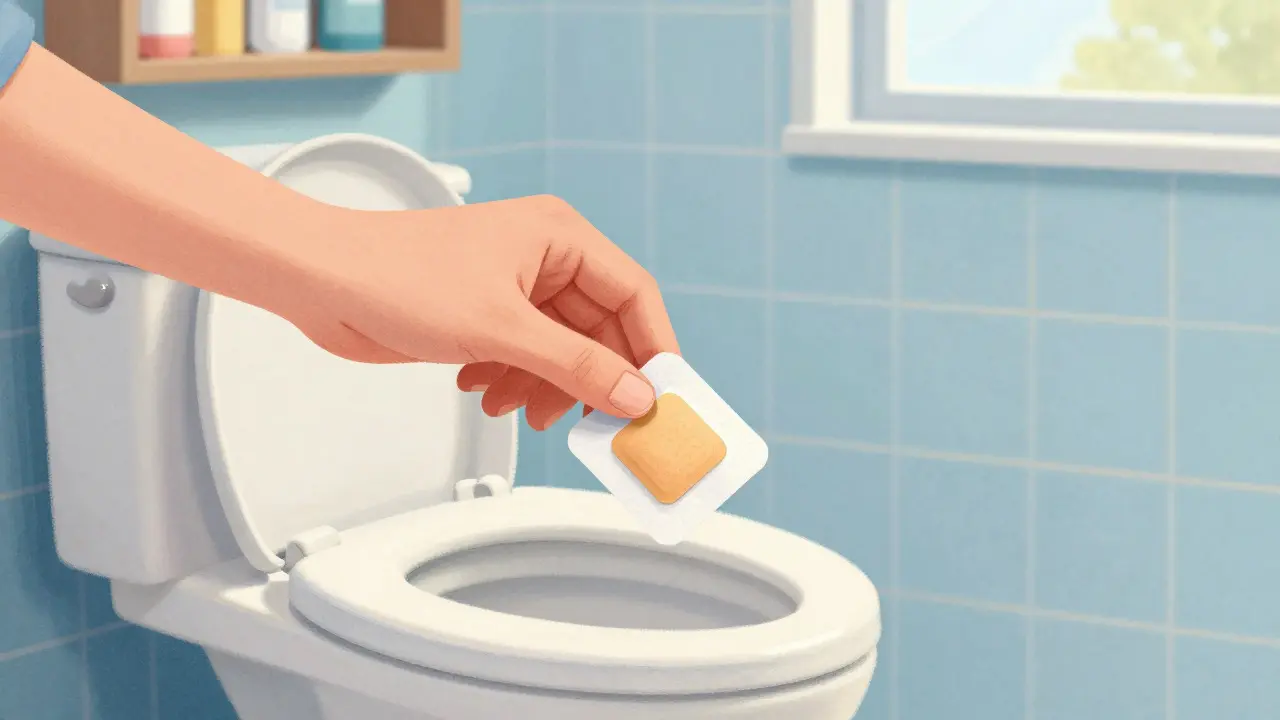
In September 2012, the FDA issued a specific update regarding fentanyl patches after documenting cases of accidental exposure. The instruction is simple but critical: fold the patch in half with the sticky sides together before flushing. This minimizes the surface area exposed to the environment and reduces the chance of someone touching the active ingredient. The same logic applies to buprenorphine patches like BUTRANS.
Step-by-Step Disposal Guide
Knowing what to flush is only half the battle. Doing it correctly matters. Follow these steps to ensure safety and privacy:
- Check Local Regulations: Some municipalities have strict rules against flushing anything. Check with your local waste management authority first.
- Verify Take-Back Options: Before flushing, see if you can drop the meds off. The DEA hosts National Take Back Days twice a year (usually in April and October). You can also find year-round collection sites via the DEA Diversion Control Division website. Over 12,000 authorized locations exist nationwide.
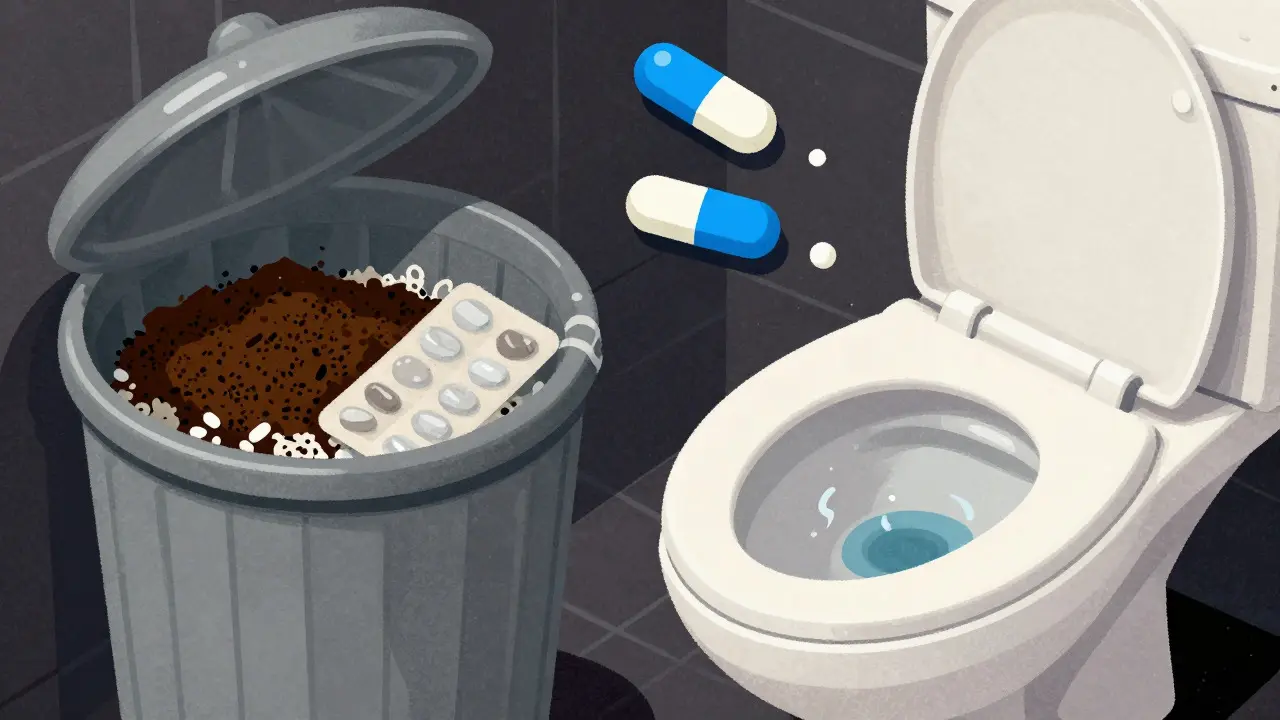
- Prepare the Medication: If you must flush, mix the pills with an unappealing substance like coffee grounds, cat litter, or dirt. Put this mixture in a sealed plastic baggie to prevent leakage during transport to the toilet. For patches, fold them sticky-side in.
- Flush Immediately: Drop the contents into the toilet and flush right away. Do not leave them sitting in the bowl.
- Protect Your Privacy: Before throwing away the empty bottle or box, remove any personally identifiable information. Scratch out your name, address, and prescription number.
What About Other Medications?
If your medication is not on the Flush List, do not flush it. The EPA strongly discourages flushing all other pharmaceuticals. Instead, use the standard home disposal method:
- Remove the pills from their container.
- Mix them with an undesirable substance like used coffee grounds or kitty litter.
- Place the mixture in a sealed plastic bag.
- Throw the bag in your household trash.
- Dispose of the empty container in the trash as well, after removing personal info.
This method makes the drugs less attractive to kids and pets while keeping them out of the water supply. Remember, the Flush List is a last resort for the most dangerous drugs only.
| Disposal Method | Best For | Risks/Considerations |
|---|---|---|
| Drug Take-Back Programs | All medications, especially controlled substances | Requires travel to a collection site; limited availability in rural areas |
| Flushing (FDA Flush List Only) | High-risk opioids/fentanyl patches when take-back is unavailable | Potential environmental impact; prohibited for healthcare facilities |
| Trash (Mixed with Coffee/Cat Litter) | Non-flush-list medications | Low risk if sealed properly; avoid leaving pills visible in trash |
The Environmental Debate
It is impossible to talk about flushing without mentioning the environment. Scientists at the USGS have detected traces of some Flush List medications in streams. However, their 2023 report noted that these concentrations were well below therapeutic levels-meaning they are unlikely to affect wildlife significantly compared to the immediate human health risks.
The FDA’s 2021 environmental assessment concluded that for these specific 15 active ingredients, the immediate risk to humans from accidental exposure outweighed potential environmental concerns. It is a balance, not a perfect solution. As new abuse-deterrent formulations emerge, the FDA may remove some drugs from the Flush List, further reducing the need to flush.
Finding Help Near You
Many people don’t know where to go for take-back services. A 2023 survey found that 67% of Americans were unaware of proper disposal methods. Here is how to find help:
- Local Pharmacies: Many chain pharmacies accept unused medications. Call ahead to confirm.
- Police Stations: Some police departments have drop boxes for controlled substances.
- DEA Website: Use the searchable database to find registered collectors near you.
- Community Events: Keep an eye out for local clean-up days or pharmacy-sponsored disposal events.
Remember, accessibility varies. Rural areas often have fewer options, making the Flush List a vital safety net for residents who cannot easily travel to a city center.
Should I flush my leftover antibiotics?
No. Antibiotics are generally not on the FDA Flush List unless specified otherwise on the label. Mix them with coffee grounds or cat litter and throw them in the trash, or use a take-back program. Flushing antibiotics contributes to antibiotic resistance in the environment.
Can healthcare clinics flush medications?
Generally, no. Under EPA regulations, healthcare facilities and reverse distributors are prohibited from flushing hazardous waste pharmaceuticals. They must follow stricter industrial waste disposal protocols. The Flush List is primarily for household settings.
How do I know if my medication is on the Flush List?
Check the patient labeling or package insert for your medication. The FDA requires manufacturers to include disposal instructions. You can also search the FDA’s official Flush List page online. If the label says "flush," it means take-back options are preferred but flushing is safe if necessary.
Is it safe to flush fentanyl patches?
Yes, if no take-back option is available. Fold the patch in half with sticky sides together to minimize exposure. The FDA specifically recommends this due to the high risk of accidental overdose in children and pets from residual drug in the patch.
What happens if I flush medications not on the list?
While likely not immediately fatal to humans, flushing non-list medications contributes to pharmaceutical pollution in waterways. The EPA advises against this practice. Use the trash method with coffee grounds instead, unless a take-back program is accessible.