Eyelid Disorders: Ptosis, Entropion, and Surgical Repair Guide
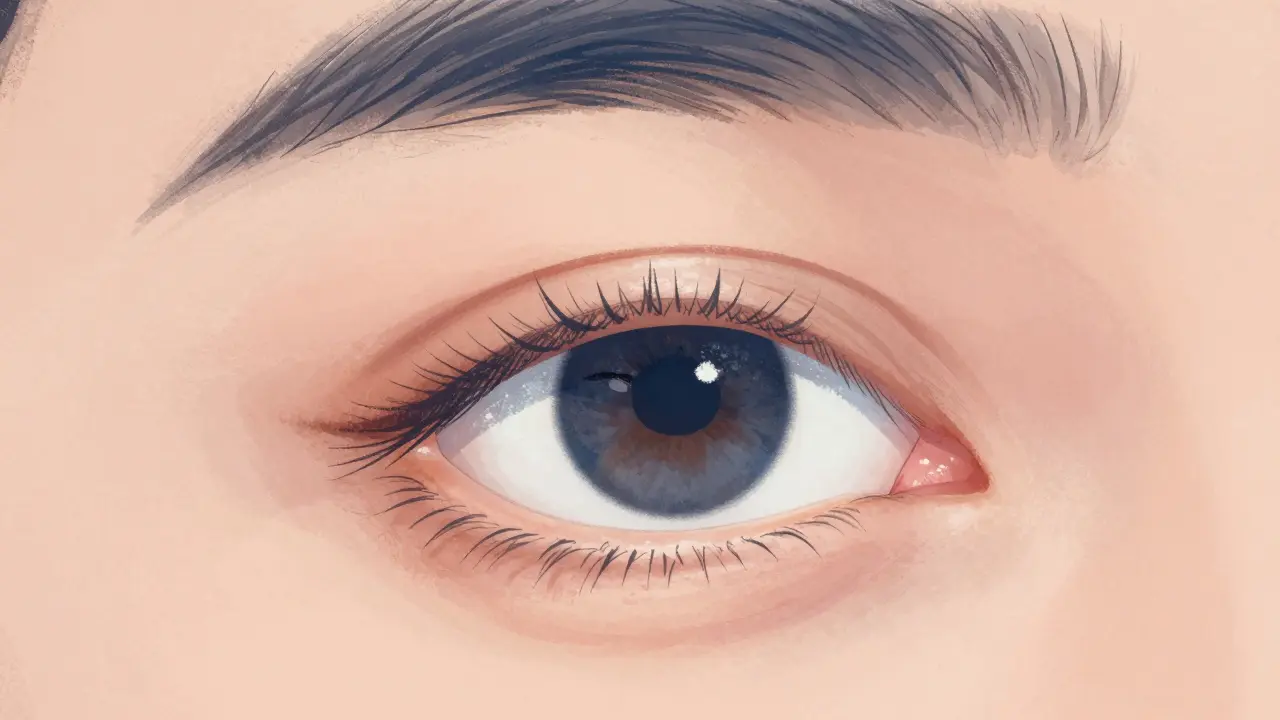
Have you ever noticed your vision getting blocked by your own eyelid? Or maybe you feel like something is constantly scratching your eye, even when you know nothing is there? These aren't just signs of tiredness. They could be symptoms of specific **Eyelid Disorders** that need attention. While they might sound minor, conditions like ptosis and entropion can actually threaten your sight if left untreated. Understanding what is happening to your eyelids is the first step toward getting your vision back to normal.
Many people assume drooping or turning eyelids are just part of getting older. While age plays a huge role, the underlying mechanics involve muscles, nerves, and skin that can fail in specific ways. In this guide, we break down exactly what these conditions are, how doctors measure them, and the surgical options available in 2026 to fix them permanently.
Understanding Ptosis: The Drooping Eyelid
Ptosis is a condition where the upper eyelid droops lower than it should, potentially covering the pupil and blocking vision. It can happen in one eye or both. You might notice it when you look in the mirror and see that your eyelid sits lower on one side, creating an uneven look. But it is more than just cosmetic.
When the eyelid drops too low, you might find yourself tilting your head back to see clearly. This often leads to neck strain and headaches. The drooping happens because the muscle responsible for lifting the eyelid, called the levator muscle, gets weak. This weakness can come from natural aging, where tissues stretch over time. Sometimes, it results from nerve damage or even genetics if you were born with it.
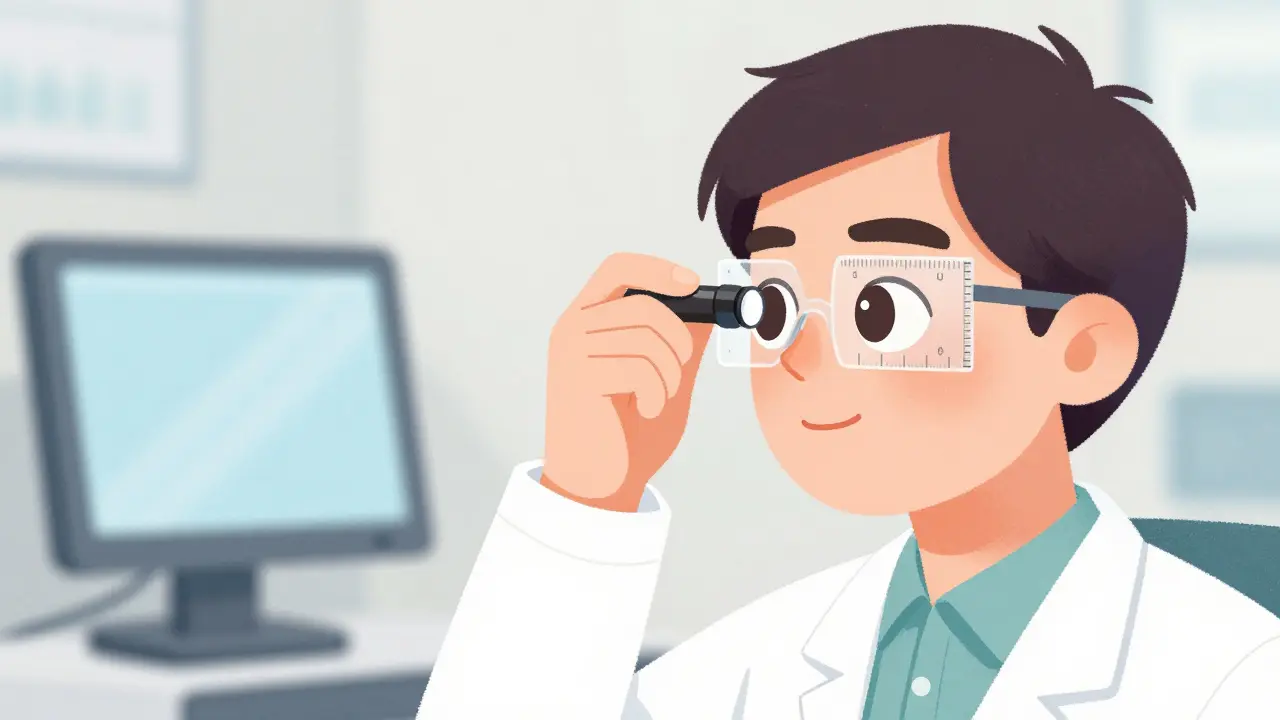
Doctors measure the severity using something called the Margin Reflex Distance (MRD). A normal eyelid sits about 4 to 5 millimeters above the center of your pupil. If it drops 1 to 2 millimeters, it is considered mild. If it covers more than 3 millimeters of your pupil, it is severe. This measurement helps surgeons decide which repair technique will work best for your specific case.
Decoding Entropion: The Inward Turning Lid
While ptosis drops down, Entropion is an inward turning of the eyelid margin, usually affecting the lower lid, causing eyelashes to rub against the eyeball. Imagine walking with a small pebble stuck in your shoe, but instead, it is your own eyelashes scratching your cornea every time you blink. This constant friction causes redness, watering, and a gritty sensation.
This condition is dangerous because the cornea is sensitive. If lashes rub against it long enough, they can cause ulcers. An ulcer is essentially a sore on the surface of the eye that can lead to permanent scarring and vision loss. Most cases are involutional, meaning they happen due to aging changes in the eyelid structure. About 80% of cases in Western populations fall into this category.
There are other types too. Cicatricial entropion happens when scarring pulls the lid inward, often from infections like trachoma. Trachoma is a bacterial infection caused by Chlamydia trachomatis and is common in areas with poor sanitation. Acute spastic entropion is temporary and usually caused by inflammation, while congenital entropion is rare, occurring in about 1 in 10,000 births.
Related Conditions and Risk Factors
Eyelid problems rarely happen in isolation. You might also deal with Blepharitis is a chronic inflammation of the eyelid margins where oil glands become clogged, leading to thickening and crusting. This is one of the most common eyelid problems. When the meibomian glands at the base of your lashes get blocked, the lid becomes stiff and prone to turning.
Another condition is Dermatochalasis is excess skin or fat hanging over the eye edge, blocking vision without the lid actually drooping from muscle weakness. This often looks like ptosis but is actually just extra skin. It is treated differently because the muscle function is usually fine.
Who is at risk? Age is the biggest factor. If you are over 60, your risk of ptosis increases significantly. For entropion, the incidence jumps from 0.5% in people aged 50-60 to 2.5% in those over 80. Previous eyelid surgery also raises the risk by 40-60%. Even wearing contact lenses frequently can increase ptosis risk by about 30% due to the mechanical interaction with the lid.
Diagnosis and When to See a Doctor
How do you know if you need surgery? If you experience rapid drooping, sudden vision obstruction, or signs of infection, you need immediate medical attention. Rapid changes can signal nerve issues or other serious problems. For chronic cases, doctors look for specific signs.
During an exam, an ophthalmologist will check your eyelid height and muscle function. They might use a phenylephrine test to see if your eyelid responds to medication, which helps decide if you are a candidate for a less invasive surgery. They will also inspect your cornea for scratches or ulcers caused by entropion. If you have pain, blurred vision, or persistent irritation, do not wait. Early intervention prevents permanent damage to the eye surface.
Surgical Repair Options for Ptosis
Surgery is the only permanent fix for significant ptosis. The goal is to tighten the muscles or tissues holding the lid up. Success rates for primary cases are high, typically between 85% and 95%. The technique depends on how well your levator muscle works.
- Levator Resection: This is for moderate to severe ptosis where the muscle still has some strength (function greater than 4mm). The surgeon removes a portion of the muscle to shorten it and lift the lid.
- Frontalis Sling Procedure: If the muscle is very weak (function less than 4mm), this method connects the eyelid to the forehead muscle. You lift your brow to open your eye, bypassing the weak lid muscle.
- Müller's Muscle-Conjunctival Resection: This is for mild cases where the lid responds well to the phenylephrine test. It is less invasive and preserves more natural movement.
In 2026, surgeons often use adjustable sutures introduced around 2018. These allow for fine-tuning the eyelid height after the surgery while you are awake, reducing the need for revision surgery by about 25%.

Surgical Correction for Entropion
Fixing entropion focuses on turning the eyelid back to its normal position so lashes stop touching the eye. There are several methods depending on whether the cause is age-related or scarring.
| Technique | Best For | Success Rate | Recovery Time |
|---|---|---|---|
| Quickert Suture | Temporary/Short-term | 60-70% | 1-2 Weeks |
| Tarsal Fracture | Involutional (Age-related) | 90-95% | 4-6 Weeks |
| Tarsal Wedge Resection | Cicatricial (Scarring) | Variable | 4-6 Weeks |
The Quickert suture is a temporary solution. It works well for short-term correction but has a lower long-term success rate. The tarsal fracture procedure is the gold standard for age-related entropion, boasting a 90-95% success rate. For scarring cases, surgeons might remove a wedge of the tarsal plate to release the tension pulling the lid inward.
Recent advancements include minimally invasive techniques using absorbable sutures. These have reduced recovery time from the traditional 4-6 weeks down to 1-2 weeks with comparable success rates. High-resolution imaging also helps surgeons plan the procedure more accurately, improving outcomes by 30-40%.
Recovery, Risks, and Aftercare
Recovery varies by procedure. You will likely need to use lubricating eye drops to keep the eye moist. For associated blepharitis, warm compresses help keep the oil glands clear. Most patients can return to normal activities within a week or two, but full healing takes longer.
Like any surgery, there are risks. For ptosis repair, complications include overcorrection (5-10% of cases), undercorrection (3-8%), or lid asymmetry (5-15%). Some patients develop dry eye symptoms in 10-20% of cases. Entropion surgery carries risks of recurrence (5-15%), scarring (2-5%), and infection (1-3%).
Managing expectations is key. If you have chronic conditions like ocular rosacea, your surgeon will need to treat that inflammation alongside the eyelid malposition. Ocular rosacea is an often-overlooked inflammatory condition that causes blurred vision and pain. Ignoring it can lead to complications during healing.
Market Trends and Access to Care
The demand for these procedures is growing. The global oculoplastic surgery market was valued at approximately $1.8 billion in 2022 and is projected to reach $2.7 billion by 2028. This growth is driven by aging populations. About 5% of adults over 70 experience some form of eyelid malposition. In the United States, eyelid malposition procedures account for 15-20% of all oculoplastic surgeries performed annually.
Access to care is improving with better diagnostic tools. However, in regions with limited sanitation, trachoma remains a significant cause of entropion. Public health initiatives focus on water access and hygiene to prevent this. For most patients in developed regions, the focus is on restoring function and vision rather than preventing infection.
If you suspect you have these issues, start with a comprehensive eye exam. Early detection prevents corneal damage. Whether you need a simple suture adjustment or a full muscle resection, modern techniques offer high success rates and faster recovery times than ever before.
Can ptosis be fixed without surgery?
Mild cases might be managed with crutches or tape for temporary relief, but surgery is the only permanent solution for significant drooping caused by muscle weakness. Conservative measures like eye drops help with dryness but do not lift the lid.
Is entropion surgery painful?
The surgery is typically done under local anesthesia with sedation. Most patients report minimal pain afterward, manageable with over-the-counter pain relievers. The discomfort is often less than the chronic irritation caused by the condition itself.
How long does ptosis surgery take?
The procedure usually takes about 1 to 2 hours per eye. Recovery time varies, but most people can see well enough to drive within a few days to a week, depending on the complexity of the repair.
What causes entropion in younger people?
While rare, congenital entropion exists. In young adults, it can be caused by severe inflammation, trauma, or scarring from previous surgeries or infections like trachoma.
Does insurance cover eyelid surgery?
Coverage depends on medical necessity. If the eyelid malposition blocks vision or causes corneal damage, insurance often covers it. Purely cosmetic procedures for excess skin without functional impairment may not be covered.
My mom had this surgery and she looks so much better now. It was scary but the doctors were really nice. You should definitely talk to someone if you feel like that. 👍
people ignore this till it is too late. get it fixed dont wait
i had entropion once and it was painful as heck
sure lets just cut open our faces because a little droop is too much to handle.
they want you to go to surgery so they can sell more drops. 🤔
The medical literature clearly indicates that surgical intervention is the only viable option for significant levator dysfunction. Conservative management is merely a palliative measure at best.
in america we fix things right not like other cuntries. 💪
it is good to know about these things for our elders :)
The eyelid is a delicate canvas that sometimes sags under the weight of time.
i know someone who needed this info
Oh wow!! Another medical procedure!!! How shocking!!!
I agree that early detection is important for preventing damage.
The phenylephrine test is indeed a standard diagnostic tool in our field.
We need to support our local surgeons not foreign clinics.
People think surgery is the only way to fix the face. But the body heals itself sometimes without help. We rush to cut into our own skin too often. The mind influences the flesh in ways science ignores. Stress makes the droop worse than age alone. Maybe the problem is internal and not just muscle. Doctors ignore the spirit when they look at charts. They only see the muscle and not the person. But the muscle is not the root of the issue. The root is the tension we hold inside. Relaxation might help more than a scalpel. Surgery changes the structure of the lid permanently. It does not fix the cause of the weakness. I doubt it works forever without maintenance. We are just patching holes in an old house. Think about the natural order of things. Nature knows best about how we should look. Do not trust the scalpel blindly without thought. Listen to your own body first before acting. It is a philosophical choice about your own self.