CPAP Troubleshooting: Fix Dry Mouth, Mask Leaks, and Pressure Issues
If you're using a CPAP machine for sleep apnea, you're not alone. Millions rely on it to breathe better at night. But if you're waking up with a dry mouth, feeling air leaking from your mask, or wondering if the pressure is too high or too low-you’re also not alone in struggling. These aren’t rare problems. In fact, dry mouth, mask leaks, and pressure discomfort are the top three reasons people quit CPAP therapy within the first few months. The good news? Most of these issues can be fixed without replacing your machine or giving up on treatment.
Why Your Mouth Feels Like Cotton After CPAP
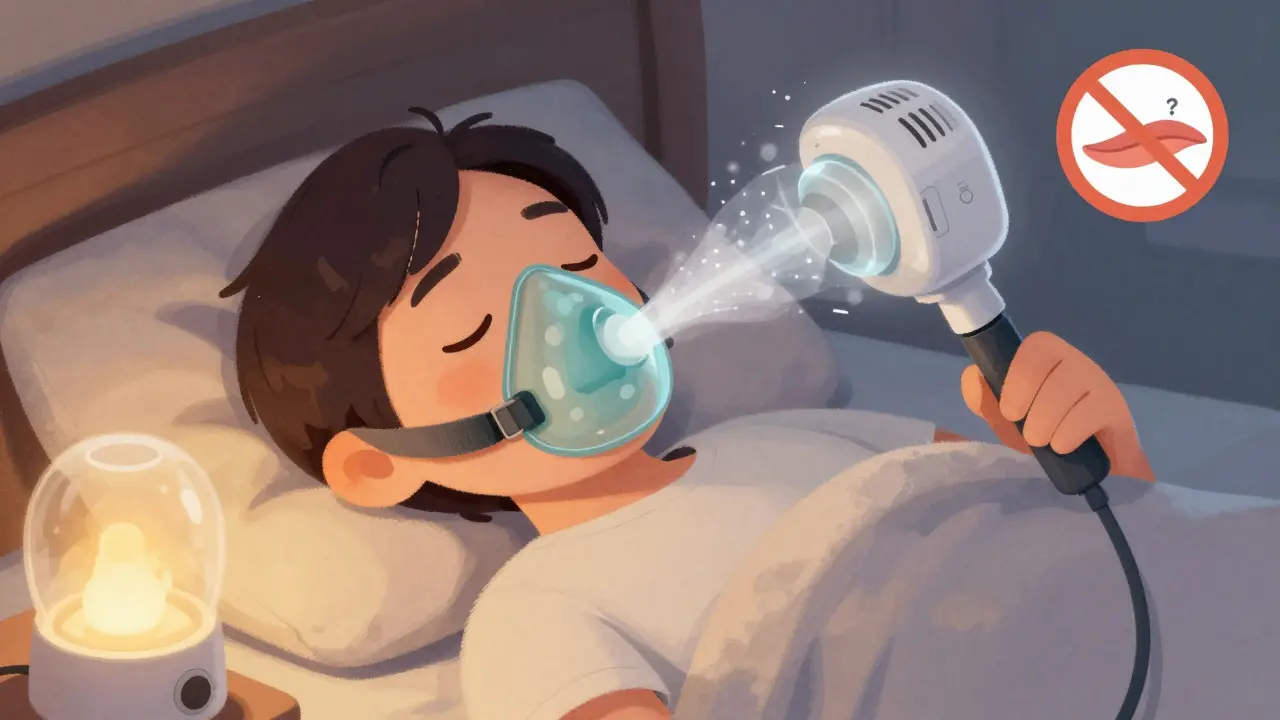
Dry mouth isn’t just annoying-it can make you avoid your CPAP altogether. You might think your humidifier isn’t working hard enough. But according to sleep specialist Dr. Raj Dasgupta, 42% of CPAP users who complain of dry mouth aren’t suffering from low humidity. They’re breathing through their mouth during sleep.When air from your CPAP flows through your nose and out your mouth, it dries out your oral tissues. It’s not the machine’s fault. It’s your body’s habit. The fix isn’t always cranking up the humidifier. Try these steps:
- Switch to a full-face mask if you’re using a nasal mask. Full-face masks cover both nose and mouth, so air doesn’t escape. One Reddit user (u/SleepSeeker2020) reported dry mouth vanished in three nights after switching.
- Use a chin strap. It’s a simple fabric strap that holds your jaw closed. Used by 38% of mouth breathers, it’s cheap, non-invasive, and works for many.
- Check your humidifier settings. Most machines have a scale from 0-6. Set it to 3 or 4. Too high (5-6) can cause condensation in the tube (rainout), which is worse than dryness.
- Switch to heated tubing. Philips’ 2022 trial showed heated tubing reduces dry mouth by 32%. It keeps the air warm all the way to your mask, preventing moisture loss.
Fixing Mask Leaks: The Silent CPAP Killer
Mask leaks are sneaky. You might not feel them, but your machine does. ResMed’s AirSense 11 can detect leaks as small as 12 liters per minute. Leaks above 24 L/min, as Dr. David White warns, can cut your therapy effectiveness in half. You’ll see high leak numbers on your app or machine screen. But what’s really happening?Most leaks come from one of three places:
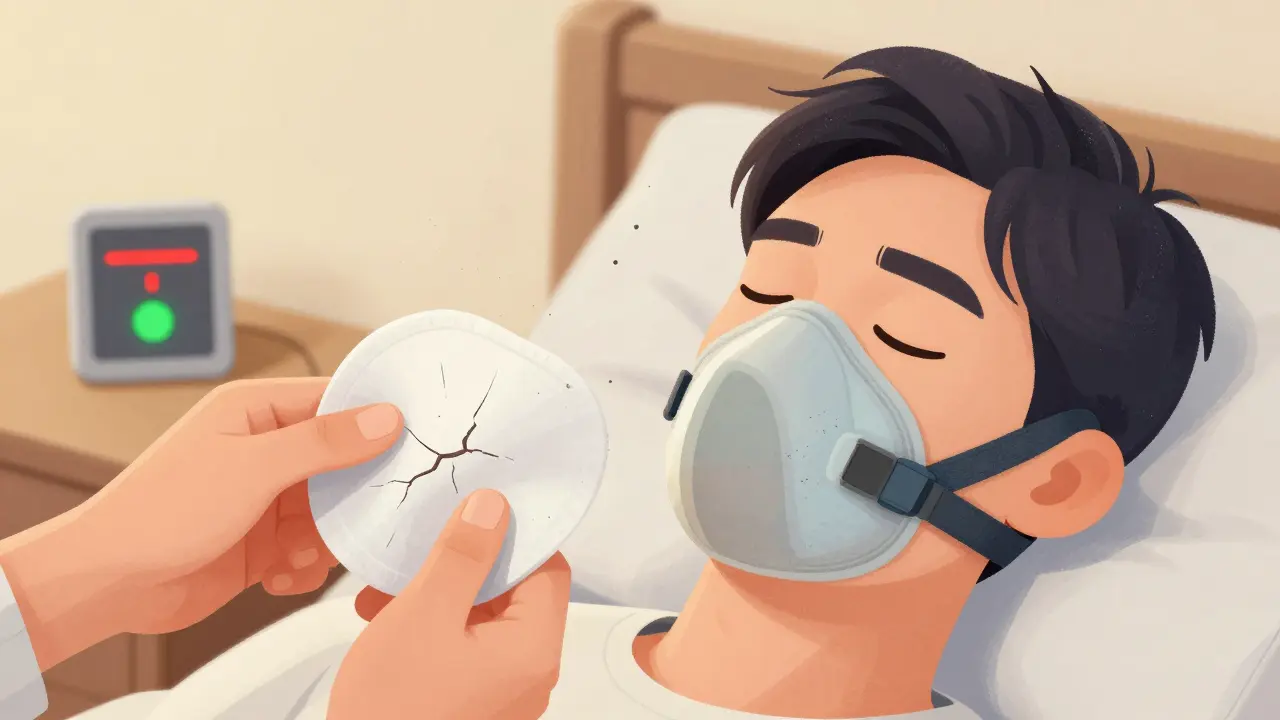
- Mask cushion: If it’s older than 3 months, it’s probably cracked or flattened. Replace it. DME providers say 92% of leak problems are solved by just swapping the cushion.
- Headgear tension: Too tight? You’re leaving red marks and creating new leaks by distorting the seal. Too loose? Air escapes. The right fit? Adjust until you hear a soft, steady airflow-not a hiss. Try the airflow test: With the machine on, slowly tighten each strap until the noise drops. You’ll know it’s right when the sound becomes a quiet whisper.
- Mask type mismatch: If you toss and turn a lot, a nasal pillow might not stay in place. If you have facial hair, a full-face mask might seal better. Try different styles. There’s no one-size-fits-all.
Pro tip: Don’t use tape to seal leaks. It doesn’t work long-term and can damage your skin. And never tighten straps to the point of pain. That’s not compliance-that’s punishment.
Pressure Too High? Too Low? Here’s How to Tell
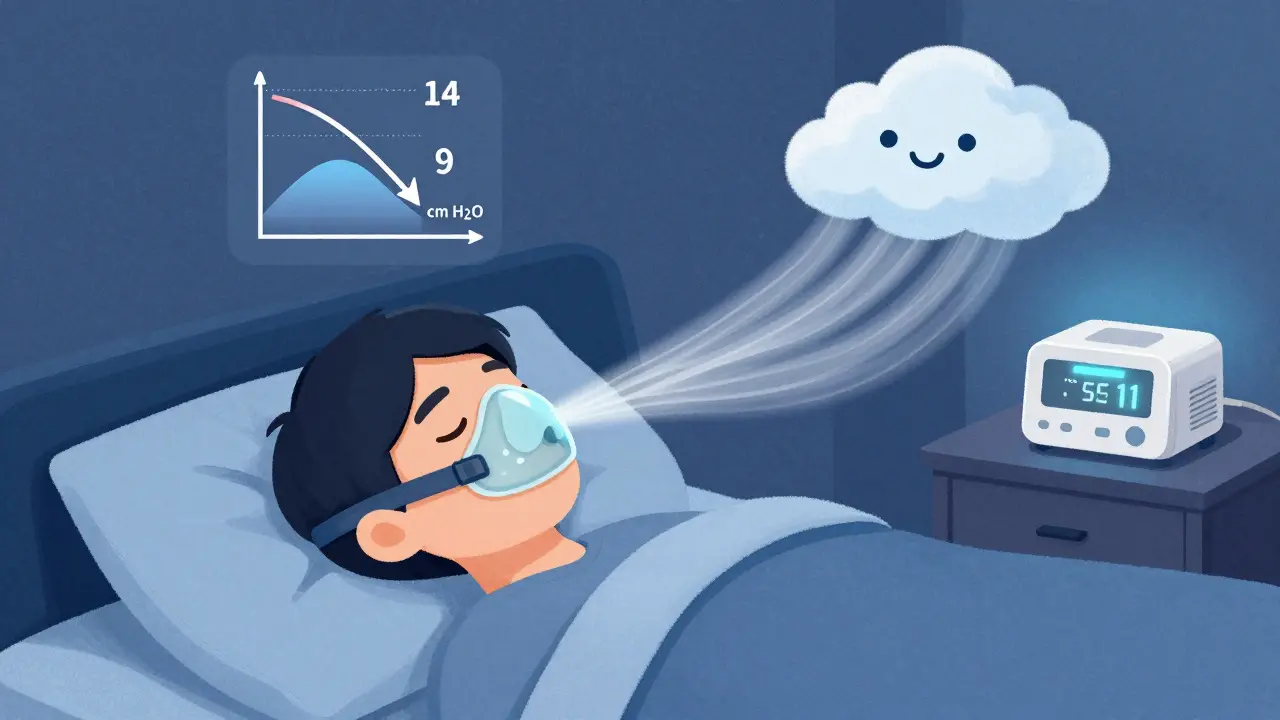
Many users think their CPAP pressure is set in stone. It’s not. Your pressure needs can change. Weight loss, nasal congestion, or even seasonal allergies can shift what your body needs. The average pressure range is 4-25 cm H₂O. Most people are set between 7-12. But if you’re feeling chest pressure, bloating, or just can’t exhale comfortably-you might be too high.Dr. Nancy Collop from Johns Hopkins says pressure settings below 5 cm H₂O can still be effective for many, especially if you’ve lost weight or your sleep apnea has improved. But here’s the catch: don’t adjust it yourself. Most machines allow only ±2 cm H₂O changes. Going beyond that voids your warranty and risks under-treatment.
Instead:
- Use your machine’s built-in expiratory pressure relief (EPR on ResMed, C-Flex on Philips). This drops pressure slightly when you breathe out. It’s like a sigh of relief. Enable it if it’s not already on.
- Check if you have an auto-adjusting (APAP) machine. Models like the ResMed AirSense 11 AutoSet or Philips DreamStation 2 change pressure automatically throughout the night. They’re more comfortable for many users. One Amazon review said, “I went from 14 cm H₂O to 9 cm H₂O after switching to AutoSet. I actually sleep now.”
- Review your data. Most modern machines sync with apps like DreamMapper or myAir. Look for patterns: Are your pressure spikes happening when you sleep on your back? That’s a sign to try positional therapy.
- Call your sleep specialist. If you’ve had the same pressure for over a year, ask for a re-titration. A new sleep study isn’t always needed. Many clinics now do remote pressure adjustments using your machine’s usage data.
What to Do When Nothing Seems to Work
You’ve cleaned the mask, changed the cushion, adjusted the humidifier, and tried a chin strap. Still, you’re waking up tired. Here’s what’s often overlooked:- Filter maintenance: Foam filters need replacing every 30 days. HEPA filters last 90. Dirty filters reduce airflow and force the machine to work harder-making noise and pressure unstable.
- Water chamber cleanliness: Use distilled water. Tap water leaves mineral deposits that clog the humidifier. Clean the chamber daily with vinegar and water, and replace it every 6 months.
- Mask fit during movement: If you roll over a lot, your mask may shift. Try a mask with a magnetic clip or a lightweight frame like the Fisher & Paykel SleepStyle. It’s designed for side sleepers.
- Mask seal test: Every morning, do a quick check. Put the mask on, turn on the machine, and press it gently against your face. If air escapes from the sides, it’s not seated right. Re-seat it. No need to re-tighten.
And if you’ve tried everything? You might need a different machine. Newer models like the ResMed AirSense 11 have enhanced leak detection and quieter motors (25-27 dB). Older machines (30-35 dB) can disrupt sleep even if they’re working. If your device is over 5 years old, it’s time to upgrade. Medicare covers 80% of the cost for qualifying patients.
Real Fixes, Real Results
You don’t need to suffer to get better sleep. In fact, 78% of users master basic CPAP troubleshooting within 14 days. The key is not perfection-it’s persistence. Change one thing at a time. Track how you feel. Use your machine’s data. Talk to your provider. Don’t wait until you’re ready to quit.CPAP isn’t just a machine. It’s your tool for longer life, better focus, and deeper rest. It’s not supposed to feel like a prison. With the right fixes, it can feel like a quiet, comfortable hug for your airway-every night.
Why does my CPAP make my mouth dry even with a humidifier?
Dry mouth usually happens because you’re breathing through your mouth during sleep, not because the humidifier isn’t working. Air from your CPAP flows out of your mouth and dries out your tissues. Switching to a full-face mask or using a chin strap can solve this. Humidifier settings should be set between 3-4 on a 0-6 scale for optimal moisture without causing condensation.
How do I know if my CPAP mask is leaking?
Your machine will show leak rates on its screen or app. Leaks above 24 L/min reduce therapy effectiveness. You might also hear a hissing sound or feel air blowing on your face. Try the airflow test: with the machine on, adjust the straps slowly until the noise quiets down. A quiet, steady airflow means you have a good seal. Replace the mask cushion every 3 months-even if it looks fine.
Can I adjust my CPAP pressure myself?
Most machines let you adjust pressure by ±2 cm H₂O, but going beyond that voids your warranty and risks under-treatment. If you feel uncomfortable, use the expiratory pressure relief feature (EPR or C-Flex) instead. For bigger changes, contact your sleep specialist. Many clinics now use your machine’s usage data to adjust pressure remotely-no new sleep study needed.
How often should I replace CPAP parts?
Replace the mask cushion every 3 months, headgear every 6 months, and filters every 30 days (foam) or 90 days (HEPA). Clean the water chamber daily with vinegar and water, and replace it every 6 months. Dirty parts reduce airflow, increase noise, and cause leaks or dryness. Always use distilled water to prevent mineral buildup.
Should I upgrade my CPAP machine?
If your machine is over 5 years old, upgrading could help. Newer models like the ResMed AirSense 11 and Philips DreamStation 2 are quieter (25-28 dB), have better leak detection, and auto-adjust pressure. They also sync with apps that give you personalized feedback. Medicare covers 80% of the cost for qualifying users. If you’re struggling with comfort or leaks, a newer machine might be the real solution-not just more adjustments.
I’ve been using CPAP for 3 years now and dry mouth was my nightmare. Tried everything - humidifier on 6, chin strap, even sleeping with a water bottle next to me lol. Turns out my nasal mask was just too small. Switched to a full-face and boom. No more waking up like a camel. Also, distilled water is non-negotiable. Tap water = mineral gunk city.
I just want to say - this article is a godsend. I was about to quit. Like, full-on throw the machine out the window and go back to snoring like a chainsaw. My pressure was set at 14 for TWO YEARS. I didn’t even know I could adjust it. I turned on C-Flex, dropped it to 10, and now I’m actually REM-ing. I cried the first night I slept through without gasping. This isn’t just a machine. It’s a lifeline. Thank you for writing this.
Ugh I hate when people say "just use a chin strap" like its magic. I tried it. My jaw hurt so bad I had to stop. And humidifier at 3? Pfft. I need 5. My room is a desert. Also your mask cushion advice is wrong. Mine lasted 6 months. Just saying.
I’ve been using an APAP for 8 months and it changed everything. I used to think I needed high pressure because I’m overweight. But my machine kept dropping to 6.5 at night. Turns out my apnea was way lighter than they thought. I got a re-titration via telehealth - no sleep lab needed. Just let your data talk. Also, clean the tube with soapy water every week. Don’t just rinse it.
I’ve been doing this for 5 years. I’ve gone through 3 masks, 2 machines, and 12 humidifier chambers. The one thing no one talks about? Your pillow. If your head isn’t aligned, your mask shifts. I switched to a cervical pillow with a cutout for the hose. No more leaks. No more red marks. I’m not even kidding - it’s like a whole new life. Also, the noise thing? Newer machines are silent. Mine’s quieter than my cat purring. If your machine sounds like a jet engine, it’s time to upgrade. Seriously.
STOP. STOP. STOP. People who say "just adjust the pressure" are dangerous. I had a friend who lowered his pressure to 4 because he "felt better." He had a stroke. I’m not exaggerating. CPAP is medical equipment. You don’t tweak your insulin pump and say "eh, it felt right." If you think you know better than your doctor - go to a different doctor. Not a Reddit thread. This isn’t a car. It’s your airway.
YESSSSS to heated tubing!!! 😍 I was about to give up until I tried it. My rainout was so bad I had water pooling in my mask - like a tiny pool 😅 Switched to heated and now I sleep like a baby. Also - replace your filter like it’s your job. I do it every 30 days. My machine hasn’t made a weird noise since. You’re welcome future CPAP warriors 💖
I’m from Australia and we get a bit of a raw deal with CPAP gear - prices are insane here. But I’ve got to say, the advice here is solid. I replaced my cushion at 3 months like they said - and holy hell, what a difference. I was convinced it was fine. Turns out, the seal was just… gone. Like, 100% flat. I didn’t even notice. Also - try the airflow test. It’s so simple but so effective. I used to tighten until I looked like a mummy. Now I just whisper-tighten. Life-changing. And yes, distilled water. Always. Tap water is basically glue for your humidifier.
I’ve been a CPAP user for 7 years, and honestly, the biggest mistake I made was thinking I had to "tough it out." I did. For months. Mask leaks? I thought it was normal. Dry mouth? I drank more water. Pressure too high? I just breathed harder. Then I found out my machine had a built-in leak tracker - and it was spiking every night. I called my provider. They saw my data, lowered my pressure by 1.5, enabled EPR, and told me to replace my cushion. Done. One week later, I slept 8 hours straight. No alarm. No grogginess. Just peace. If you’re struggling - don’t suffer. Your provider isn’t judging you. They want you to succeed. Seriously. Reach out.