Congressional Efforts: Proposed Laws to Address Drug Shortages in 2026
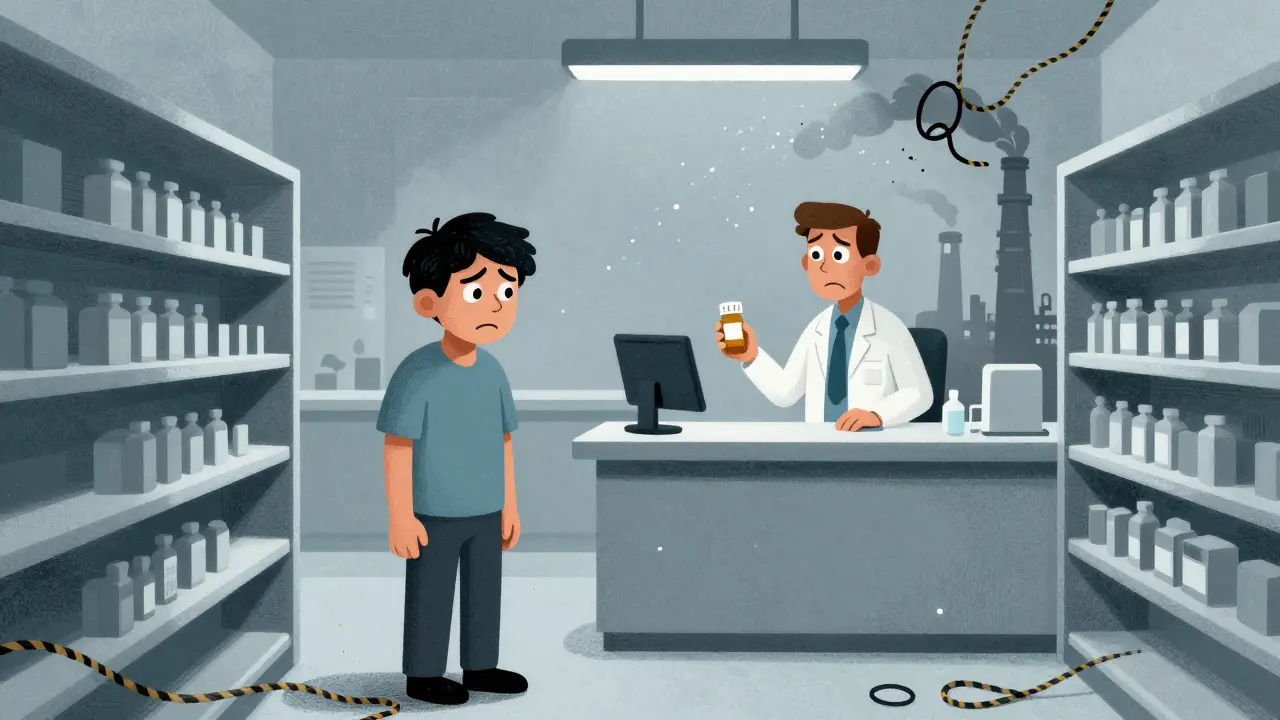
Imagine walking into your local pharmacy to pick up a life-saving medication, only to be told it’s out of stock. Not just for a week, but potentially for months. This isn’t a rare inconvenience; it is the daily reality for millions of Americans. As of late 2025 and heading into 2026, the United States is facing a severe crisis in drug availability. With hundreds of medications unavailable, patients are forced to switch treatments, delay care, or pay exorbitant prices on the black market. You might wonder why this keeps happening. The answer lies in a complex mix of manufacturing delays, supply chain fragility, and regulatory gaps that have left the Food and Drug Administration (FDA) reacting rather than preventing.
Enter the 119th Congress, which has attempted to tackle these systemic failures through new legislation. While political gridlock and government shutdowns have slowed progress, two specific bills stand out as direct responses to the shortage epidemic. Understanding these proposed laws is crucial for healthcare providers, patients, and anyone concerned about the stability of the American healthcare system. Let’s break down what these bills propose, where they stand, and why they matter for your health.
The Core Problem: Why Shortages Happen
To understand the solution, we first need to look at the problem. Drug shortages are not accidental. They are often the result of structural issues in how pharmaceuticals are manufactured and regulated. According to data from the Association for Accessible Medicines, manufacturing delays caused roughly 63% of all drug shortages reported in 2025. When a single facility produces a generic drug used by thousands of hospitals, any hiccup-whether it’s a failed inspection, a raw material shortage, or a fire-can wipe out the national supply overnight.
The current system relies heavily on manufacturers voluntarily reporting issues to the FDA. However, many companies wait until they are already short on stock before notifying regulators. By then, the damage is done. Hospitals scramble to find alternatives, and patients suffer. The Food and Drug Administration maintains a Drug Shortage Portal, but without early warning systems, this portal acts more like a scoreboard of failures than a prevention tool. In Q3 2025 alone, 98% of surveyed hospitals experienced at least one critical drug shortage, according to the American Hospital Association. This widespread disruption highlights the urgent need for legislative intervention.
S.2665: The Drug Shortage Prevention Act of 2025
The most direct legislative response to this crisis is the Drug Shortage Prevention Act of 2025 (S.2665). Introduced on August 1, 2025, by Senator Amy Klobuchar (D-MN), this bill aims to shift the paradigm from reactive monitoring to proactive notification. The core mechanism is simple but powerful: it would amend the Federal Food, Drug, and Cosmetic Act to require manufacturers of critical drugs to notify the FDA when they anticipate increased demand or potential supply constraints.
Why does this matter? Currently, there is no strict federal mandate forcing companies to flag rising demand before it becomes a shortage. S.2665 seeks to close this gap. By requiring earlier communication, the FDA could theoretically intervene sooner, perhaps by expediting approvals for alternative manufacturers or encouraging stockpiling. The bill was referred to the Senate Committee on Health, Education, Labor, and Pensions immediately upon introduction. However, as of November 2025, it remained stuck in committee, a common fate for legislation during periods of intense political conflict.
Critics argue that notification alone may not be enough. Without penalties for non-compliance or funding for FDA oversight, the law might become just another box-checking exercise. The Congressional Budget Office estimated that effective implementation would require approximately $45 million annually for enhanced FDA capacity. Yet, with the federal budget deficit soaring to $1.74 trillion between November 2024 and October 2025, securing this funding has proven difficult. Despite these hurdles, S.2665 represents a significant step toward holding manufacturers accountable for transparency.
H.R.1160: Addressing the Provider Shortage
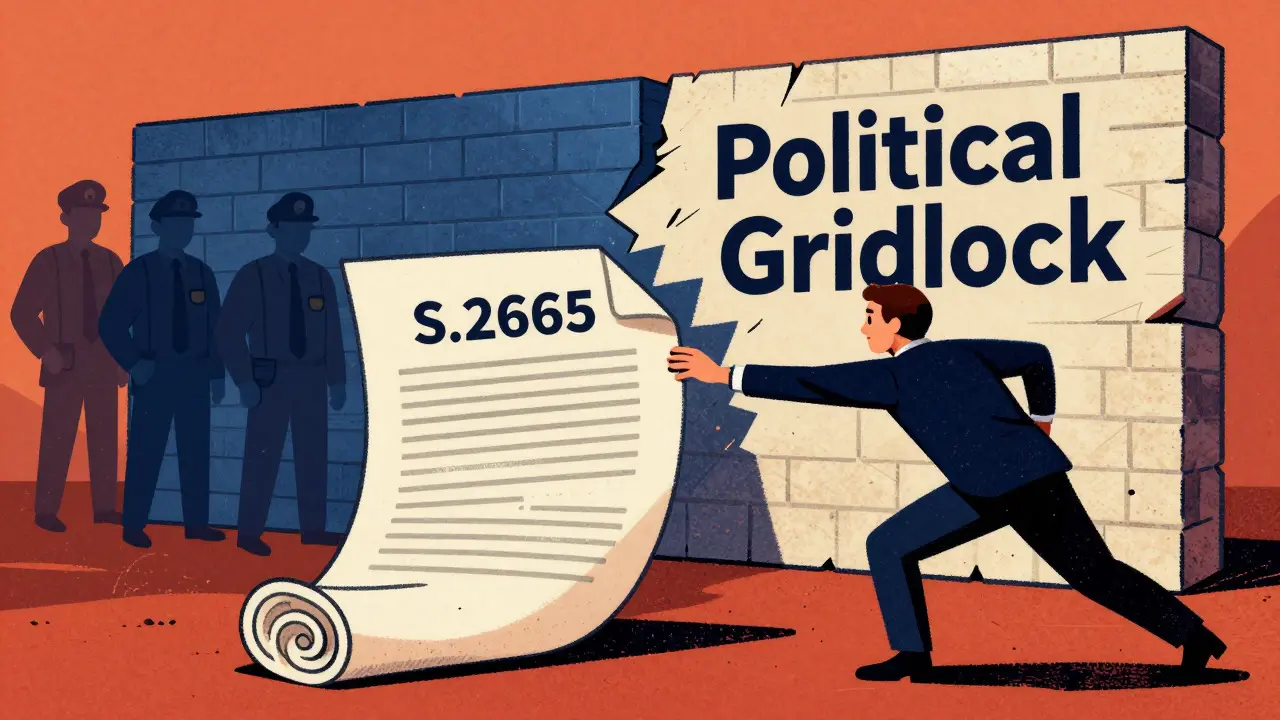
While drug shortages grab headlines, another parallel crisis threatens patient care: the lack of healthcare providers. You can have all the medicine in the world, but if there are no doctors or nurses to prescribe and administer it, the system still fails. This is where the Health Care Provider Shortage Minimization Act of 2025 (H.R.1160) comes into play. Introduced in the House of Representatives during the same session, this bill targets the workforce side of the healthcare equation.
The scale of this shortage is staggering. According to the Health Resources and Services Administration (HRSA), over 122 million Americans live in primary care Health Professional Shortage Areas. Furthermore, the American Association of Medical Colleges projects a physician shortage of up to 124,000 doctors by 2034. H.R.1160 aims to minimize these gaps, though detailed specifics on its mechanisms remain scarce in public records. Unlike S.2665, which has a clear regulatory focus, H.R.1160 appears to lean toward workforce development incentives, such as expanding loan repayment programs or increasing residency slots in underserved areas.
The lack of detailed documentation for H.R.1160 is concerning. Transparency is key in legislative processes, yet tracking systems like LegiScan list only the title and number without substantive summaries. This opacity makes it hard for stakeholders to advocate for or against specific provisions. Nevertheless, the intent is clear: to bolster the healthcare workforce so that even when drugs are available, there are enough professionals to manage patient care effectively.
| Feature | S.2665 (Drug Shortage Prevention Act) | H.R.1160 (Provider Shortage Minimization Act) |
|---|---|---|
| Primary Focus | Pharmaceutical supply chain transparency | Healthcare workforce expansion |
| Introduced By | Sen. Amy Klobuchar (D-MN) | House of Representatives (Sponsor details limited) |
| Key Mechanism | Mandatory notification of increased demand/critical drug status | Workforce development and minimization strategies |
| Regulatory Basis | Federal Food, Drug, and Cosmetic Act | Health workforce statutes |
| Status (Nov 2025) | In Senate HELP Committee | Limited public detail; early stage |
| Estimated Cost | ~$45 million/year for FDA oversight | Undisclosed |
The Impact of Government Shutdowns on Legislation
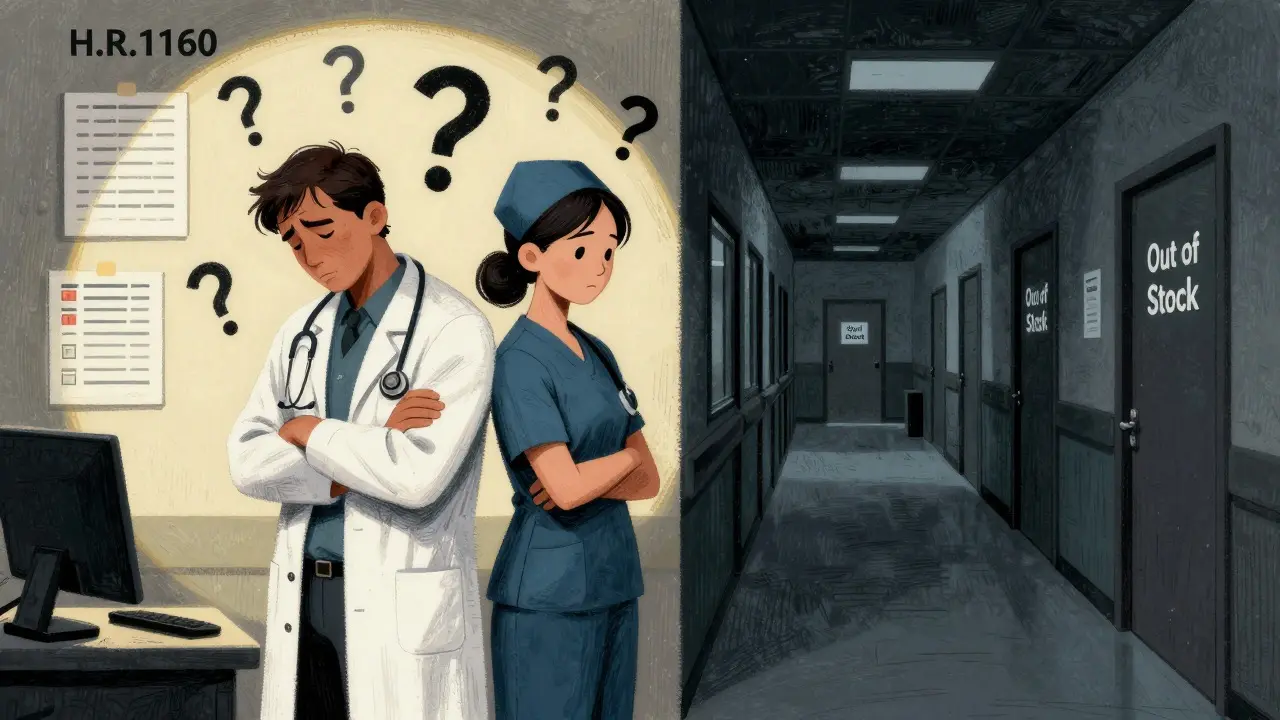
Legislation doesn’t exist in a vacuum. It operates within the broader political and fiscal environment. Unfortunately, the period surrounding the introduction of these bills was marked by unprecedented instability. The longest government shutdown in U.S. history began on October 1, 2025, and continued well into November. This shutdown had immediate and devastating effects on the very agencies tasked with managing shortages.
Approximately 800,000 federal workers were furloughed, including critical personnel at the FDA. Without staff to monitor the Drug Shortage Portal or review manufacturer notifications, the agency’s ability to respond to crises degraded significantly. Healthcare providers reported that the platform’s functionality suffered due to lack of maintenance, making it harder to track real-time availability. The shutdown effectively froze non-essential legislation, including S.2665 and H.R.1160. Even if lawmakers wanted to advance these bills, the bureaucratic machinery needed to process them was stalled.
Moreover, the fiscal negotiations focused on keeping the government open, not on solving long-term healthcare issues. A continuing resolution proposed by Senate Republicans in November 2025 extended funding through January 30, 2026, but contained no provisions addressing drug or provider shortages. Congressman Don Beyer noted this omission, highlighting how critical public health measures were marginalized in favor of partisan budget battles. For the average citizen, this means that while the problems worsen, the legislative tools designed to fix them gather dust in committee folders.
What Patients and Providers Can Do Now
Waiting for Congress to act is frustrating, especially when lives are on the line. So, what can you do in the meantime? If you are a patient, stay informed. Check the FDA’s Drug Shortage Portal regularly to see if your medications are affected. Talk to your doctor about therapeutic alternatives before you run out of pills. Sometimes, a different brand or a slightly different formulation can bridge the gap until supplies stabilize.
If you are a healthcare provider, document every instance where a shortage impacts patient care. These reports feed into the data used by organizations like the American Hospital Association and the AMA to lobby for change. Additionally, consider joining professional associations that are actively advocating for these bills. Collective voices are louder than individual ones. Contact your representatives and ask specifically about their support for S.2665 and H.R.1160. Politicians respond to pressure, especially when constituents make it clear that healthcare stability is a priority.
Finally, keep an eye on the legislative calendar. Bills often resurface after recesses or when new committees take charge. The 119th Congress ends in January 2027, meaning these proposals still have time to move forward-if political will allows. Until then, vigilance and advocacy remain our best defenses against the growing tide of shortages.
What is the Drug Shortage Prevention Act of 2025 (S.2665)?
S.2665 is a bill introduced by Sen. Amy Klobuchar that requires pharmaceutical manufacturers to notify the FDA of increased demand or potential supply issues for critical drugs. Its goal is to prevent shortages by enabling earlier regulatory intervention.
How does the government shutdown affect drug shortage monitoring?
The shutdown furloughed thousands of FDA employees, reducing the agency's capacity to monitor the Drug Shortage Portal and review manufacturer reports. This degradation in oversight makes it harder to detect and respond to emerging shortages quickly.
What is H.R.1160 trying to solve?
H.R.1160, the Health Care Provider Shortage Minimization Act, aims to address the severe lack of healthcare workers in the U.S. It focuses on workforce development strategies to ensure there are enough doctors and nurses to treat patients, complementing efforts to secure drug supplies.
Are these bills likely to pass soon?
As of late 2025, both bills face significant hurdles due to political gridlock and the ongoing government shutdown. S.2665 is stuck in committee, and H.R.1160 lacks detailed public support. Passage depends on resolving the shutdown and prioritizing healthcare legislation over partisan disputes.
How many drugs are currently in shortage?
As of September 2025, the FDA listed 287 drugs in shortage, with nearly half classified as critical for treating life-threatening conditions. This number fluctuates but remains historically high, indicating a systemic issue rather than isolated incidents.