Cochlear Implants: Surgical Hearing Restoration for Profound Deafness
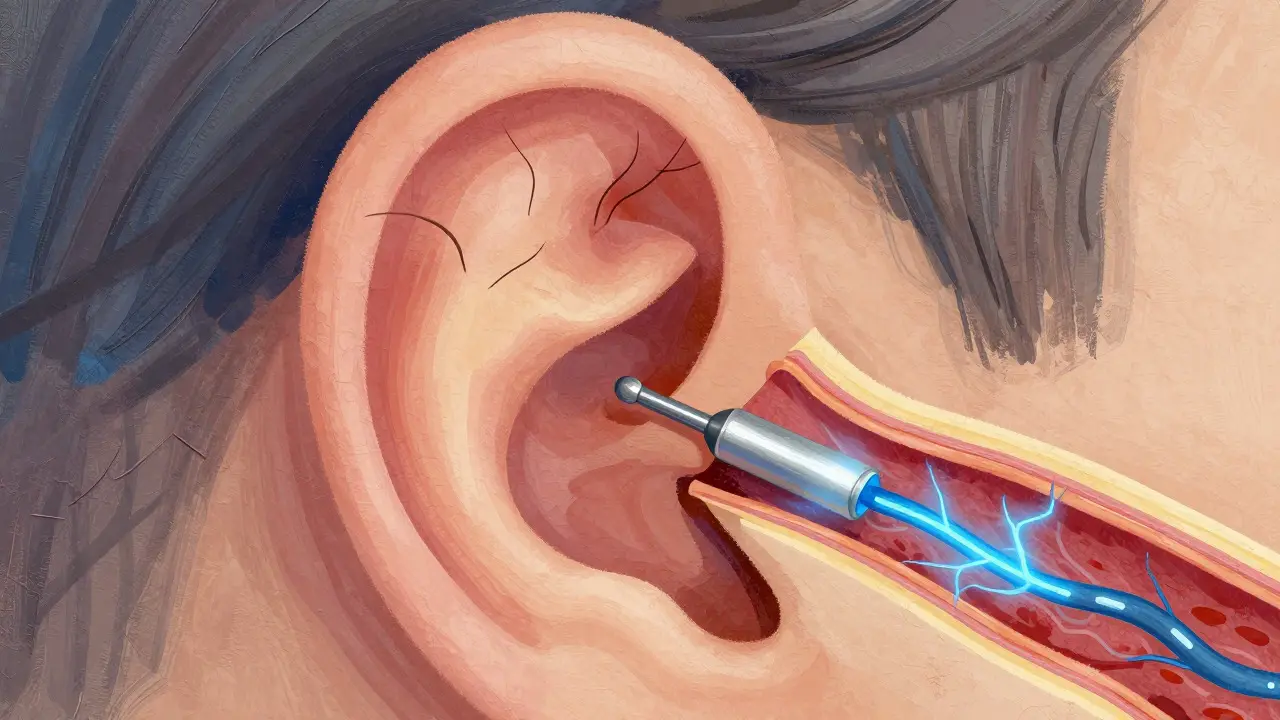
Imagine trying to understand a conversation in a noisy restaurant, but the words sound like static from a broken radio. For millions of people with severe-to-profound sensorineural hearing loss, that is their daily reality. Traditional hearing aids often fail to help because the damage isn't in the outer ear; it's deep inside the inner ear where hair cells have died. This is where Cochlear Implants come in. These devices bypass damaged hair cells entirely, converting sound into electrical signals that directly stimulate the auditory nerve. If you or a loved one are considering this life-changing procedure, understanding how it works, who qualifies, and what to expect during recovery is crucial.
Key Takeaways
- Cochlear implants are surgical devices for severe-to-profound hearing loss that do not respond well to hearing aids.
- The device consists of an external processor worn behind the ear and an internal electrode array implanted in the cochlea.
- Surgery typically takes about two hours and has a low complication rate (under 5%) when performed by experienced teams.
- Full benefit takes time; most users achieve good speech recognition within 6-12 months of activation.
- Modern systems are MRI-compatible up to 3.0 Tesla, removing a major barrier for many patients.
How Cochlear Implants Work Differently from Hearing Aids
To understand why a cochlear implant is necessary, you first need to grasp the difference between amplifying sound and stimulating nerves. A standard hearing aid acts like a megaphone; it picks up sound and makes it louder. This works if your ear can still process the signal, just weakly. But in profound deafness, the hair cells in the cochlea are dead. No matter how loud the sound is, there are no cells left to convert it into a neural signal.
A cochlear implant skips this broken step. The external microphone captures sound, and a sound processor converts these acoustic waves into digital data. This data is transmitted through the skin via inductive coupling to the internal receiver-stimulator. From there, electrical pulses travel along an electrode array inserted into the scala tympani of the cochlea. These pulses directly excite the remaining fibers of the auditory nerve, sending signals to the brain. It’s less like hearing natural sound and more like providing the brain with raw data to interpret as sound.
| Feature | Hearing Aid | Cochlear Implant |
|---|---|---|
| Mechanism | Amplifies sound | Electrically stimulates auditory nerve |
| Target Audience | Mild to moderate hearing loss | Severe to profound sensorineural hearing loss |
| Invasiveness | Non-surgical, wearable | Surgical implantation required |
| Speech Recognition (Quiet) | Limited for profound loss | 80%+ for most adult recipients |
| Music Perception | Natural quality preserved | Often described as mechanical or robotic |
Who Is a Candidate for Surgery?
Not everyone with hearing loss needs a cochlear implant. In fact, candidacy is strictly defined by medical guidelines. The U.S. Food and Drug Administration (FDA) approved the first implants for adults in 1984 and for children in 1990, but criteria have expanded significantly since then. Today, children as young as 9-12 months can be candidates, provided they meet specific audiological benchmarks.
For adults, the general rule is having severe-to-profound hearing loss, typically defined as pure-tone average thresholds greater than 70 dB HL, with limited speech recognition (usually ≤50% on sentence tests) even with optimally fitted hearing aids. If you can’t understand conversations without lip-reading despite using powerful hearing aids, you might qualify. For children, the focus is on developmental milestones; early implantation (before age 2) is strongly encouraged to support normal speech and language development. However, the device is not suitable for individuals with non-functional auditory nerves, such as some cases of auditory neuropathy spectrum disorder, where other solutions like bone conduction devices may be better.
The Surgical Procedure: What to Expect
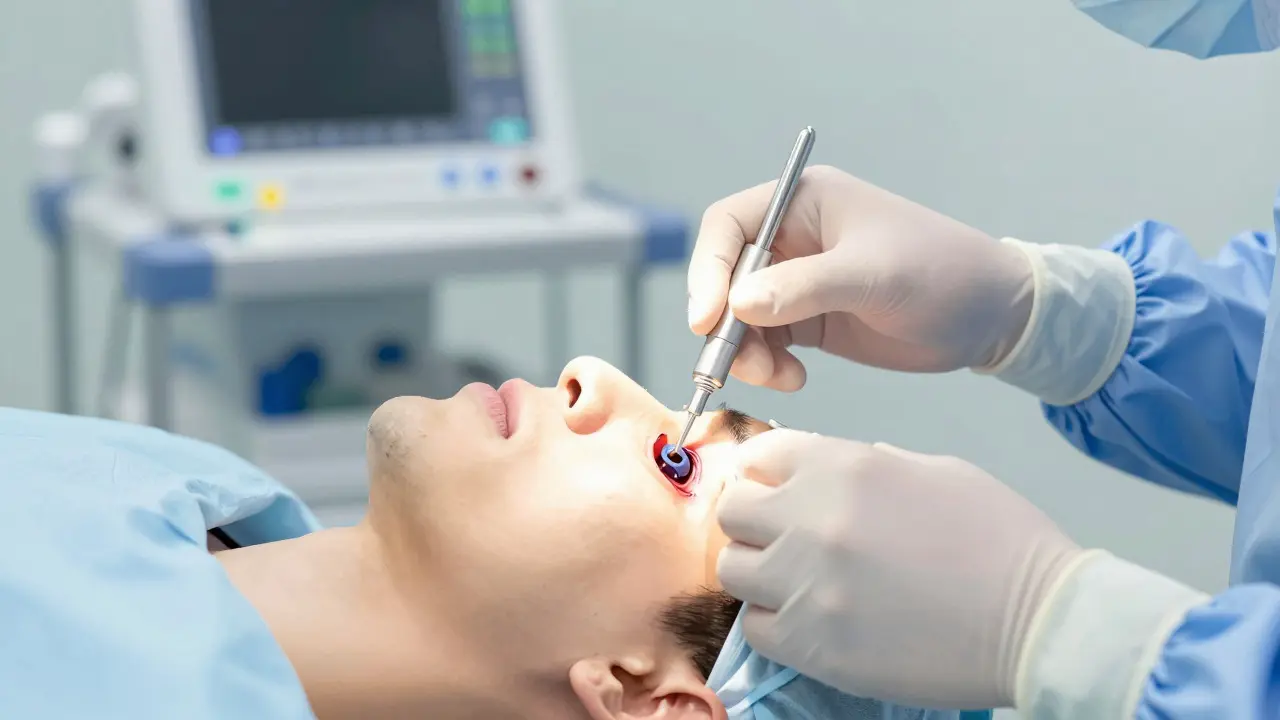
Worried about the surgery? Most patients find the procedure itself straightforward compared to the rehabilitation that follows. The operation is performed under general anesthesia and typically lasts between two to three hours. The surgeon makes a small incision behind the ear, creating a pocket in the mastoid bone to house the receiver-stimulator. This component is secured either in a shallow well in the skull or in a subperiosteal pocket, ensuring it stays stable for decades.
The critical part of the surgery involves inserting the electrode array into the cochlea. Surgeons use facial nerve monitoring throughout the process to prevent injury, setting electromyography thresholds carefully to protect the nerve. The insertion technique varies slightly by manufacturer, often involving a round window approach or a cochleostomy (a tiny opening created in the cochlea). According to clinical data from centers like Cedars-Sinai, complication rates are low, with major issues occurring in less than 1% of cases when proper techniques are used. Post-surgery, you’ll likely experience mild discomfort for a few days and some numbness around the incision site, which usually resolves within four to eight weeks.
Activation and Rehabilitation: The Long Game
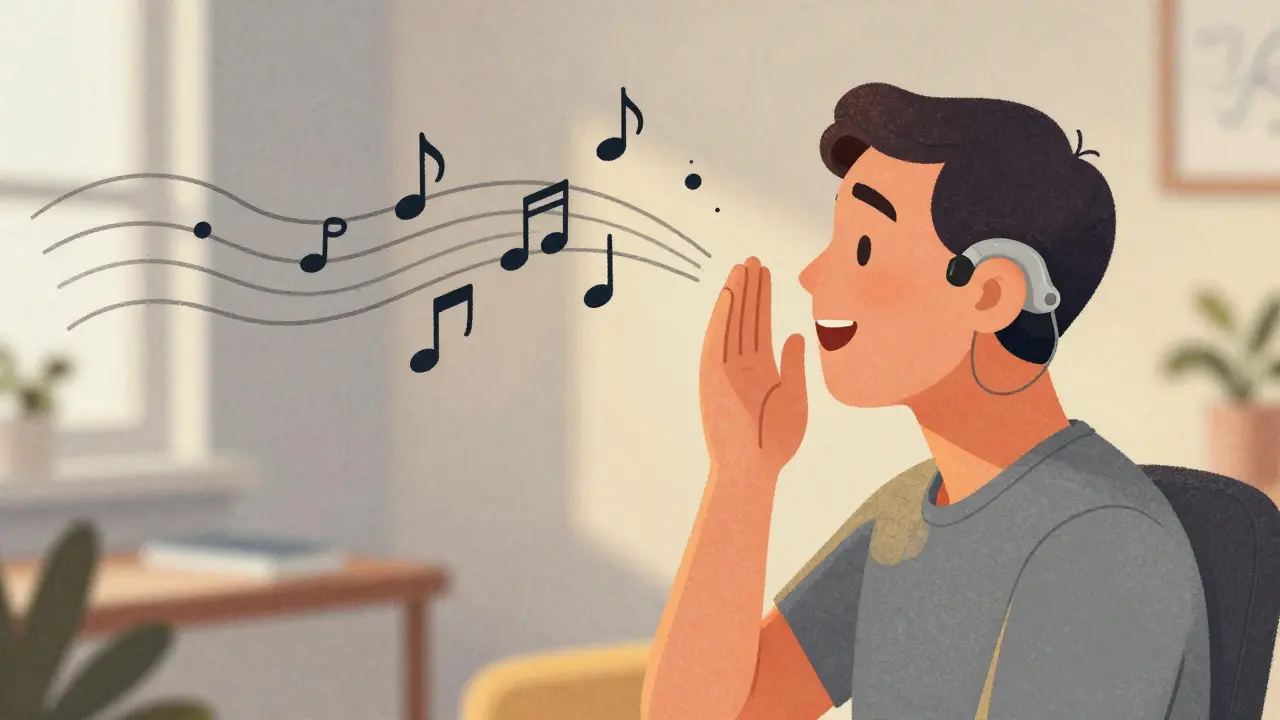
Here is the part many people overlook: getting the implant is only half the battle. After surgery, the device sits dormant for two to four weeks while the tissue heals. Then comes "activation," where the audiologist turns on the device for the first time. At this stage, sounds often feel strange-described as mechanical, robotic, or like static. This is normal. Your brain hasn't learned to decode these new electrical patterns yet.
Rehabilitation is where the magic happens. You will attend multiple programming sessions over the next three to six months. During these visits, your audiologist adjusts the electrical parameters to optimize sound perception. For adults, consistent use leads to significant improvement, with 80% achieving high levels of sentence recognition in quiet environments within a year. For children, the commitment is even higher; intensive auditory-verbal therapy is essential to ensure they develop age-appropriate speech skills. Think of it like learning a new language. The implant provides the input, but your brain needs practice to make sense of it. Patients who commit to this process report transformative outcomes, such as hearing a grandchild's voice clearly after years of silence.
Modern Technology and Future Prospects
Technology in this field moves fast. One of the biggest hurdles for older models was MRI compatibility. Previously, patients had to undergo additional surgery to remove the magnet from the implant before getting a high-field MRI scan. Modern systems, like the SYNCHRONY 2 from MED-EL, are fully compatible with 3.0 Tesla MRI scans without any extra surgery. This removes a significant anxiety for patients who need diagnostic imaging later in life.
Looking ahead, manufacturers like Cochlear Limited and Advanced Bionics are focusing on miniaturization and artificial intelligence. Next-generation processors are expected to use AI for better noise reduction and speech enhancement in crowded environments. Additionally, research into drug-eluting electrodes aims to reduce fibrous tissue growth around the implant, potentially improving long-term performance. With proper care, modern internal components are designed to last 20-30 years, while external processors can be upgraded as technology advances, meaning you don't need another surgery to get better sound processing.
Frequently Asked Questions
Does a cochlear implant restore normal hearing?
No, it does not restore normal hearing. It restores the ability to perceive sound and understand speech. Many users describe the quality of sound as different from natural hearing, particularly regarding music appreciation, which can sound mechanical or distorted.
Can I swim or shower with my cochlear implant?
Yes, but you must protect the external sound processor. Most users wear a waterproof headband or dry case during showers and swimming. The internal component is sealed beneath the skin and is not affected by water, but the external electronics are sensitive to moisture.
How long does the battery last in the sound processor?
Most modern sound processors use rechargeable batteries that last 12 to 24 hours on a single charge, depending on usage and settings. Some models still offer disposable battery options, but rechargeable units are becoming the standard due to convenience and cost savings over time.
What is the success rate of cochlear implants?
Success rates are high. Approximately 90% of adult recipients report significant improvement in communication ability. Device failure requiring revision surgery occurs in only 5-10% of cases, and immediate post-surgical function is confirmed in 95% of implants during initial testing.
Is the surgery painful?
The surgery itself is painless because it is performed under general anesthesia. Post-operative discomfort is usually mild and manageable with over-the-counter pain medication. Most patients return to light activities within a week, though full healing of the incision site takes several weeks.