Chronic Pancreatitis: Managing Pain, Enzyme Therapy, and Nutrition

Chronic pancreatitis isn’t just a digestive issue-it’s a life-altering condition that turns everyday meals into sources of pain and fear. If you or someone you know has been diagnosed, you know the truth: this isn’t something you can just "power through." The pain lingers, the digestion falters, and the fear of what comes next never really goes away. But here’s the thing: there are real, evidence-backed ways to take back control. It’s not about miracle cures. It’s about smart, consistent steps that work together-pain management, enzyme therapy, and nutrition-that actually help people live better, even with a damaged pancreas.
Pain Is the Constant Companion
Eight out of ten people with chronic pancreatitis live with persistent abdominal pain. It’s not the kind of pain that goes away with a nap or an ibuprofen. It’s deep, burning, and often radiates to the back. For many, it’s worse after eating, especially fatty meals. The pain doesn’t follow a pattern. One day it’s manageable; the next, it’s so intense you can’t get out of bed.
Doctors start with the WHO pain ladder-simple, step-by-step, and proven. First up: acetaminophen. Up to 4,000 mg a day is safe for most and helps about a third of people with mild pain. If that doesn’t cut it, the next step isn’t opioids. It’s gabapentin or pregabalin. These aren’t painkillers in the traditional sense. They calm overactive nerves, which is exactly what’s happening in chronic pancreatitis. Studies show they reduce pain by 40-50% in people with nerve-related discomfort. Amitriptyline, an old-school antidepressant, works the same way for about half of patients.
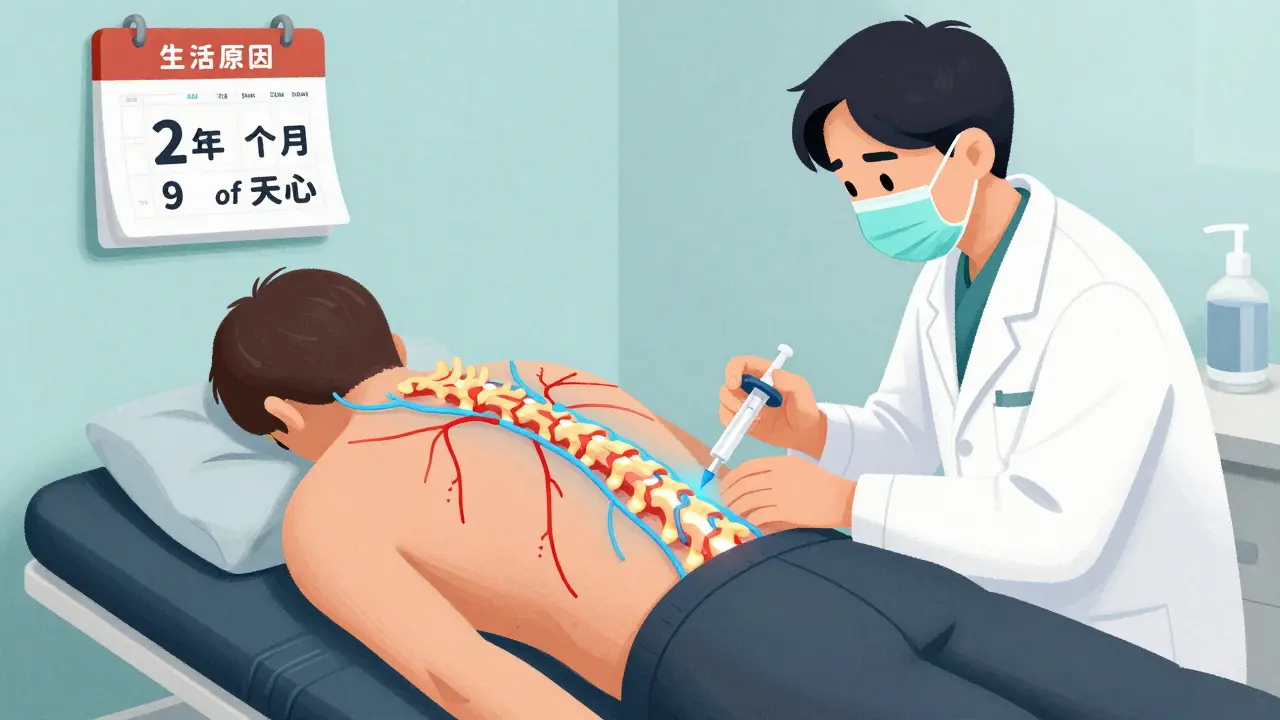
When those fail, tramadol becomes the go-to opioid. It’s not as strong as morphine, but it’s more effective than others for this specific pain. The catch? It causes nausea and constipation in a quarter of users. And here’s the hard truth: about 30% of people eventually need stronger opioids. But doctors are cautious. Long-term opioid use leads to dependence in 25-30% of chronic pancreatitis patients. That’s why many now turn to non-drug options. Celiac plexus blocks-injecting alcohol or steroids near the nerves that carry pain signals from the pancreas-can give 9 months of relief for some. One patient in Alberta described it as "nine months of peace after two years of agony."
Enzyme Therapy Isn’t Optional-It’s Essential
Your pancreas doesn’t make enough digestive enzymes anymore. That means fat, protein, and carbs don’t break down. The result? Greasy, foul-smelling stools, weight loss, and nutrient deficiencies. Pancreatic enzyme replacement therapy (PERT) isn’t a luxury-it’s medical necessity.
The standard dose? 25,000 to 80,000 lipase units per meal. That’s a lot of pills. Most people take 6 to 12 capsules a day. Brands like Creon, Zenpep, and Pancreaze all do the same job: they replace what your pancreas can’t. But here’s the trick: you have to take them with the first bite of food. If you wait until halfway through the meal, the enzymes won’t mix properly. And if you take them with a drink, they might wash down too fast and not work at all.
Some people swear by high-dose PERT for pain relief. A 2017 study found that 45% of patients saw their pain drop by 2 to 3 points on a 10-point scale. But it doesn’t work for everyone. In advanced disease, effectiveness drops to 30-40%. Why? Because the pancreas is too damaged. Still, even if it doesn’t stop the pain, it stops the malnutrition. That’s huge.
And then there’s the cost. A month’s supply can run $300 to $1,200. Insurance doesn’t always cover it fully. Many patients skip doses or cut back because they can’t afford it. That’s a dangerous gamble. Low enzyme levels mean your body can’t absorb vitamins A, D, E, and K. Deficiencies lead to bone loss, night blindness, and bleeding problems. That’s why regular blood tests are non-negotiable.
Nutrition: What to Eat, What to Avoid
You’ve probably heard: "Eat low-fat." And yes, for 60-70% of people, high-fat meals trigger pain. But the science isn’t as simple as cutting out all fat. The goal isn’t to starve your body-it’s to find your personal threshold.
Medium-chain triglycerides (MCTs) are the secret weapon. Unlike regular fats, MCTs don’t need pancreatic enzymes to break down. They go straight to your liver for energy. Products like Peptamen contain MCTs and hydrolyzed proteins. One small study had patients drink three cans a day for 10 weeks. Their pain dropped by 30%. That’s not a cure, but for someone who’s been in constant pain, it’s a game-changer.
Antioxidants might sound like a health fad, but they’ve been studied in chronic pancreatitis for over a decade. A specific combo-selenium, beta-carotene, vitamin C, vitamin E, and methionine-reduced pain in 52% of patients over six months. That’s better than half. And it’s cheap compared to other treatments. Most doctors recommend this as a daily supplement, especially if you’re not eating well.
Diabetes is another big risk. Half of people with chronic pancreatitis develop type 3c diabetes. It’s different from type 1 or 2. Your body doesn’t make enough insulin because the pancreas is damaged. You might need insulin injections. But you can’t just follow a standard diabetic diet. You still need enough fat and protein for enzyme therapy to work. A dietitian who specializes in pancreatic disease is essential here.
Alcohol and Smoking: The Two Biggest Enemies
Alcohol causes 70% of chronic pancreatitis cases. Tobacco? It doubles or triples your risk-even if you never drank. And both make everything worse. Pain gets more intense. Enzymes stop working as well. Your risk of pancreatic cancer goes up. Quitting isn’t just a suggestion-it’s the single most effective thing you can do.
Studies show that people who stop drinking and smoking see better pain control within six months. Forty to fifty percent report significant improvement. That’s not a small number. It’s the difference between living in pain and living with control. But quitting is hard. That’s why addiction counseling is part of standard care. Support groups, medications like naltrexone, and behavioral therapy all help.
When Medications and Diet Aren’t Enough
Some people try everything-meds, enzymes, diet changes, quitting alcohol-and still can’t get relief. That’s when surgery becomes an option. It’s not the first choice. But it’s the right one for some.
The Frey procedure removes the damaged part of the pancreas and opens the main duct to drain fluid. At five years, 70-80% of patients still have pain relief. The most extreme option? Total pancreatectomy with islet autotransplantation (TPIAT). The whole pancreas is removed, but your insulin-producing islet cells are taken out, purified, and re-injected into your liver. You’ll need lifelong insulin, but 85-90% of patients are pain-free. That’s the kind of outcome that changes lives.
Less invasive options include ERCP with stents. If your pancreatic duct is blocked, opening it can give 60-70% pain relief. But the relief often doesn’t last. Many need repeat procedures. Celiac plexus blocks are another option, especially if you’re not a surgical candidate.
The Real Challenge: Getting the Right Care
Here’s the dark secret: most doctors don’t know how to manage chronic pancreatitis well. The average time from first symptoms to diagnosis? Two to three years. By then, the pancreas is already damaged. And even after diagnosis, care is hit or miss.
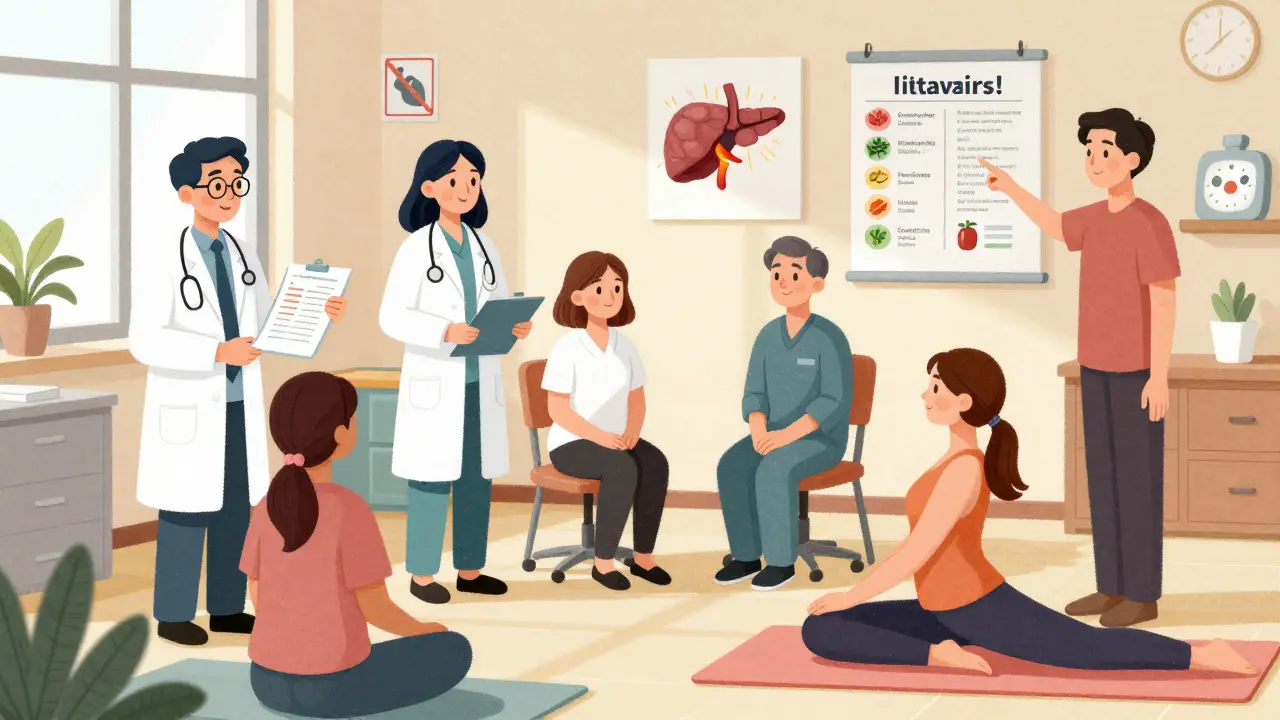
Academic hospitals have multidisciplinary teams-gastroenterologists, pain specialists, dietitians, counselors. Community clinics? Often just a prescription and a handoff. That’s why you need to be your own advocate. Ask for a referral to a pancreas center. Demand regular blood tests for vitamins. Insist on a dietitian who understands pancreatic disease. If your pain isn’t improving in six months, ask about advanced options. Don’t wait until you’re addicted to opioids or starving.
And don’t underestimate the power of yoga. A University of Pittsburgh study found that patients who did yoga twice a week for 12 weeks improved their quality-of-life scores by 35%. It doesn’t fix the pancreas. But it reduces stress, improves sleep, and helps you cope. That’s not fluff-it’s medicine.
What’s Next?
The field is changing. A new enzyme formulation called LipiGesic™, with smarter pH-controlled release, showed 20% better fat absorption in trials. The NIH is investing $15 million into finding better pain treatments. And researchers are working on genetic tests to predict who will have severe pain early on-so they can act before it’s too late.
But right now, the tools we have work-if you use them right. Take your enzymes with every meal. Cut out alcohol and tobacco. Eat small, frequent meals with MCTs. Take your antioxidants. Get your vitamins checked. Talk to your doctor about pain options beyond opioids. And if you’re still suffering, don’t accept it as normal. There are more options than you think.
Can chronic pancreatitis be cured?
No, chronic pancreatitis cannot be cured. The damage to the pancreas is permanent. But with the right combination of enzyme therapy, pain management, nutrition, and lifestyle changes, most people can control their symptoms and live full, active lives. The goal isn’t to reverse the disease-it’s to stop it from controlling you.
How do I know if my enzyme dose is right?
Look at your stools. If they’re greasy, float, smell awful, or are hard to flush, your dose is too low. If you’re having frequent bowel movements or stomach cramps after meals, you might be taking too much. The best way to know? Ask your doctor for a fecal elastase test or a 72-hour stool fat collection. These tests measure how well you’re digesting fat. Most people need 40,000-50,000 lipase units per meal, but your needs change with your diet and disease stage.
Why do I still have pain even though I’m on enzymes?
Enzymes help with digestion and nutrient absorption, but they don’t stop inflammation or nerve pain. Chronic pancreatitis pain comes from multiple sources: ongoing inflammation, duct pressure, nerve damage, and even muscle spasms. Enzymes might reduce pain in some people by decreasing digestive stress, but they’re not painkillers. That’s why you need a layered approach: enzymes for digestion, gabapentin or amitriptyline for nerve pain, and possibly a block or surgery if it’s severe.
Is a low-fat diet always recommended?
Not always. While 60-70% of people have pain triggered by fat, some do better with moderate fat intake-especially if they’re using MCTs. A very low-fat diet can lead to weight loss and vitamin deficiencies. The key is balance. Work with a dietitian to find your personal fat tolerance. Most experts recommend 40-50 grams of fat per day, spread across meals, with half coming from MCTs or other easily digestible fats.
Can I drink alcohol occasionally if I have chronic pancreatitis?
No. Even small amounts of alcohol can trigger flare-ups and speed up pancreatic damage. Studies show that people who stop drinking completely have significantly better pain control and slower disease progression. There’s no safe threshold. If you’ve been diagnosed, total abstinence is the only safe choice.
What vitamins should I be taking?
Because your pancreas can’t absorb fat properly, you’re likely deficient in fat-soluble vitamins: A, D, E, and K. Most doctors recommend daily supplements: vitamin D (1,000-2,000 IU), vitamin E (400 IU), vitamin A (5,000 IU), and vitamin K (1 mg). Your doctor should check your levels every 6-12 months. You may also need calcium and magnesium, especially if you have diabetes or bone loss.
How long does it take to see results from enzyme therapy?
You should notice improvements in stool consistency and bloating within 1-2 weeks. Weight gain and energy levels may take 4-8 weeks. Pain reduction, if it happens, can take up to 3 months. Don’t give up if you don’t feel better right away. It takes time to find the right dose and timing. Keep a food and symptom journal to track what works.
Is surgery dangerous for chronic pancreatitis?
All surgery carries risks, but for carefully selected patients, the benefits often outweigh them. Procedures like the Frey procedure or TPIAT have high success rates for pain relief-70% to 90%. Complication rates are 15-50%, depending on the surgery and the center’s experience. The biggest risk is developing lifelong diabetes after a total pancreatectomy. But for someone trapped in constant pain and opioid dependence, surgery can be life-changing. It’s not a last resort-it’s a valid option when medical therapy fails.
They don't want you to know this but the FDA and Big Pharma are hiding the real cure for pancreatitis. It's been proven since the 80s that MCT oil combined with raw garlic and cayenne pepper can regenerate pancreatic tissue. The reason you're being pushed toward expensive enzymes and opioids is because they make billions off chronic illness. I saw a guy in a forum who stopped all meds, drank ginger tea every morning, and within 3 months his pain vanished. They called him a fraud. He's now hiking in Patagonia.
You people are so naive. You think diet and enzymes fix anything? No. This is what happens when you let lazy Americans eat junk food and then wonder why their bodies collapse. I've seen this in my ER for 20 years. People drink, smoke, then act like they're victims when their pancreas turns to mush. Stop blaming the system. Stop taking supplements. Just stop being a mess. Clean up your life or die. Simple.
I've been living with this for 14 years and I can tell you the enzymes are non negotiable but timing matters more than dosage. Take them with the first bite of food not before not after. I used to take them 15 minutes before and I was still getting oily stools. Once I synced them with the first bite everything changed. Also the yoga thing is real. I did it for six months and my sleep improved so much I stopped needing amitriptyline. No magic just consistency. And yes the cost is insane but I got mine covered through a patient assistance program. Ask your doctor. They know how to help you get it.
Why are we even talking about this? We're just giving people false hope. The truth is 80% of these patients end up dead or addicted before 50. The system is broken. Insurance won't cover the enzymes. Doctors don't have time to explain. And the ones who do? They're too scared to say the real truth: it's a death sentence with a side of pills. We need to stop pretending there's a solution when there isn't one.
April you're right but you're also being a jerk. People don't choose this. I was a runner who drank one beer a week and smoked maybe 5 cigarettes a month. Then I got diagnosed. I didn't do anything wrong. The enzymes saved me. The yoga saved my sanity. And yes the cost is ridiculous but I'm not giving up. If you want to scream at people for being sick then go somewhere else. We're trying to survive here not apologize for it.
Life is messy and so is the pancreas 🌱 I used to think pain meant I was broken but now I see it as my body screaming for balance. Enzymes aren't a cure they're a bridge. Yoga isn't fluff it's medicine. And quitting alcohol? That wasn't willpower it was surrender. I stopped fighting my body and started listening. I still have bad days but now I don't hate them. I just breathe. And I take my pills. With food. Always with food. You got this.
Enough with the soft talk. If you want to live you take the enzymes you quit the booze you do the yoga you get the blood tests and you stop whining. I was in the same spot. Now I hike every weekend. I don't need sympathy. I need action. So get up. Take your pills. Eat your MCTs. And stop letting fear run your life. You're not helpless. You're just lazy. Fix it.
In India we say the body remembers what the mind forgets. I have a cousin with this condition. He stopped all alcohol quit smoking took enzymes with every meal ate small meals with coconut oil and started walking at dawn. No magic. Just discipline. His pain dropped by 70% in four months. He still has bad days but now he laughs. He cooks for his grandkids. He travels. He doesn't call himself a patient anymore. He calls himself alive. And that's the real victory not the pills or the surgery but the choice to keep showing up