Benzodiazepines and Birth Defect Risks: What to Know
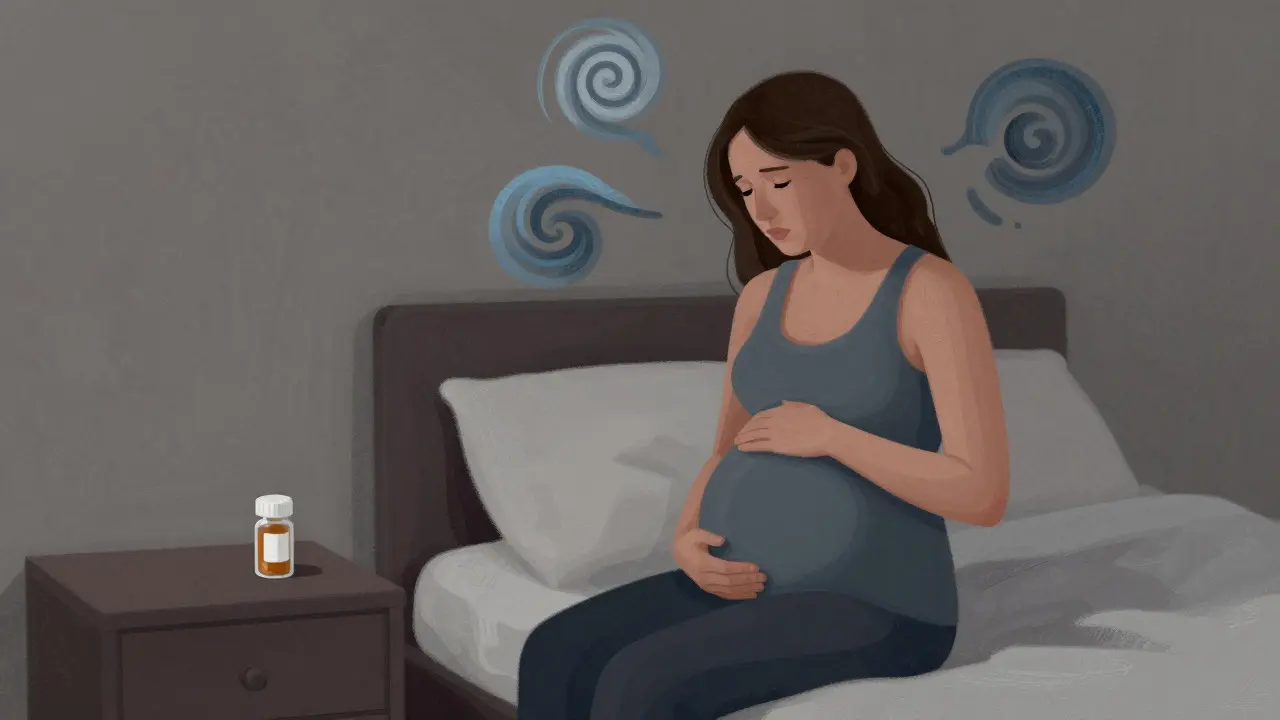
Imagine you are eight weeks pregnant. Your anxiety is spiraling, sleep is impossible, and your doctor prescribes a benzodiazepine like Xanax or Ativan. You take it, feeling relief for the first time in months. But then, a nagging question creeps in: Did I just hurt my baby?
This fear is real, and it is shared by thousands of women every year. According to recent data from JAMA Psychiatry, about 1.7% of pregnant women in the United States receive prescriptions for these medications during their first trimester. That is roughly one in sixty pregnancies.
The science on this topic is complex, often contradictory, and deeply emotional. It is not as simple as "safe" or "unsafe." It is about balancing severe maternal mental health needs against potential, though often small, fetal risks. Let’s break down what the latest research actually says, strip away the panic, and look at the numbers.
How Benzodiazepines Work During Pregnancy
To understand the risk, you first need to understand how these drugs behave in your body. Benzodiazepines are psychoactive medications designed to calm the central nervous system. They were first synthesized in 1955 by Leo Sternbach. Today, they are widely used for anxiety, panic disorders, and insomnia.
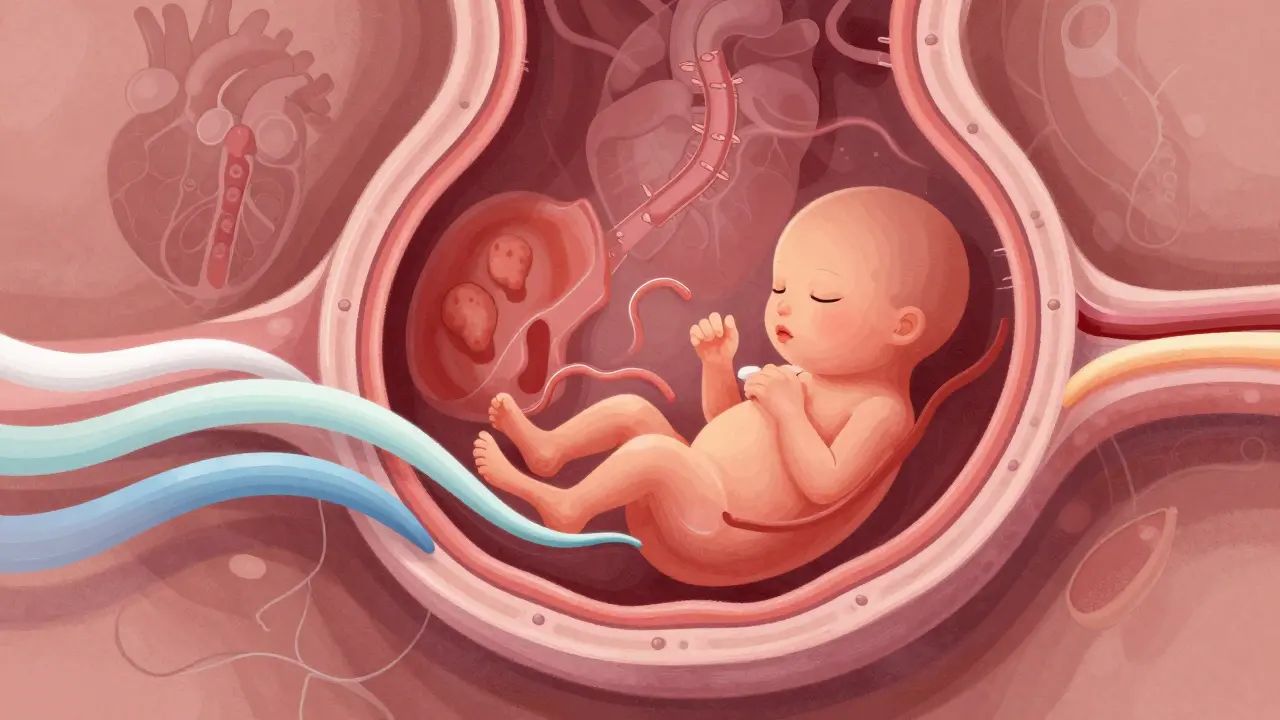
Here is the critical part: these drugs cross the placental barrier easily. When you take a pill, it doesn’t stay in your bloodstream; it accumulates in embryo and fetal tissues. This means your baby is exposed to the same sedative effects you feel. While this explains why they work for your anxiety, it also raises concerns about how that exposure might interfere with development, especially during the first trimester when major organs are forming.
What the Major Studies Say About Birth Defects
You will hear conflicting stories online. Some sources say benzodiazepines are dangerous; others say they are fine. The truth lies in the large-scale epidemiological studies.
A massive 2022 study published in PLOS Medicine analyzed over 3.1 million pregnancies in South Korea. This was one of the largest datasets ever reviewed for this specific issue. The researchers found a small but statistically significant increase in the risk of overall malformations (Relative Risk 1.08) and heart defects (Relative Risk 1.14) among women who took benzodiazepines in the first trimester.
Crucially, this study showed a dose-response relationship. Higher daily doses correlated with higher risks. However, the absolute risk remained low. For every 1,000 women exposed, there were approximately 8 additional cases of major congenital malformations compared to unexposed women. For heart defects specifically, that number rose to about 14 additional cases per 1,000.
But wait-it gets more nuanced. The CDC National Birth Defects Prevention Study (covering 1997-2011) looked at specific types of defects. They found rare but elevated odds for certain conditions:
- Dandy-Walker malformation: A brain development disorder.
- Anophthalmia or microphthalmia: Missing or underdeveloped eyes, particularly linked to alprazolam (Xanax).
- Esophageal atresia: A blockage in the esophagus, also linked to alprazolam.
- Pulmonary valve stenosis: Linked to lorazepam (Ativan).
However, a 2023 study in the British Journal of Clinical Pharmacology found no significant association between benzodiazepine exposure and major congenital malformations. This discrepancy highlights a major challenge in medical research: confounding by indication. In other words, does the drug cause the defect, or do the underlying conditions (like severe stress or untreated anxiety) contribute to the outcome? Researchers use negative control analyses to try to rule this out, but uncertainty remains.
Risks Beyond Birth Defects
Birth defects are only one part of the picture. Recent research has shed light on other adverse outcomes associated with benzodiazepine use during pregnancy.
The 2024 JAMA Psychiatry study highlighted a substantially increased risk of miscarriage. Women using benzodiazepines faced an 85% higher risk of miscarriage after accounting for measurable confounders. Additionally, exposure in the 90 days before conception was linked to an increased risk of ectopic pregnancy.
Other meta-analyses, including those by Grigoriadis et al., have documented increased risks for:
- Preterm birth
- Low birth weight
- Small for gestational age infants
- Low Apgar scores at 5 minutes
- Neonatal intensive care unit (NICU) admission
These outcomes suggest that while structural birth defects may be rare, the broader impact on pregnancy stability and newborn health warrants serious caution.
Understanding Absolute vs. Relative Risk
When reading headlines, it is easy to panic over percentages. "85% higher risk" sounds terrifying. But context matters. Let’s look at absolute risk.
According to a 2023 report from Women's Mental Health, the absolute risk for malformations was 3.81 per 100 pregnancies with exposure to antidepressants and benzodiazepines, compared to 2.87 per 100 pregnancies in unexposed controls. That is an absolute increase of less than 1%.
In plain English: if you take benzodiazepines, your baseline risk of having a baby with a major defect goes from about 3% to about 4%. It is an increase, yes, but it is still a relatively small probability. Understanding this distinction helps you make a clearer-headed decision rather than one driven by fear.
| Risk Factor | Associated Findings | Key Notes |
|---|---|---|
| Major Congenital Malformations | Small increased risk (RR 1.08) | Dose-dependent; higher risk with >2.5 mg/day lorazepam-equivalent |
| Heart Defects | Moderate increased risk (RR 1.14) | Approximately 14 additional cases per 1,000 exposed pregnancies |
| Miscarriage | 85% higher relative risk | Significant finding in 2024 JAMA Psychiatry study |
| Specific Defects (e.g., Eye/Esohageal) | Elevated odds ratios | Strongly linked to alprazolam (Xanax); rare overall |
| Preterm Birth/Low Birth Weight | Increased incidence | Documented in multiple meta-analyses |
Clinical Guidelines and Recommendations
So, what should you do? Medical organizations generally agree on a cautious approach. The American College of Obstetricians and Gynecologists (ACOG) states that benzodiazepines may be used cautiously for short-term treatment but should be avoided during the first trimester when possible due to potential teratogenic effects.
The American Psychiatric Association recommends case-by-case assessments. They emphasize looking at the specific drug, the dose, and the timing. Not all benzodiazepines are equal. Alprazolam appears to carry higher risks for specific defects compared to other agents like lorazepam or clonazepam.
The FDA classifies benzodiazepines as Pregnancy Category D, meaning there is positive evidence of human fetal risk. However, this does not mean they are banned. It means the benefits must clearly outweigh the risks. The European Medicines Agency similarly advises avoiding them in the first trimester unless absolutely necessary.
In Canada, the 2023 Clinical Practice Guidelines for Anxiety and Related Disorders recommend generally avoiding benzodiazepines during pregnancy, particularly in the first trimester. However, they acknowledge that in cases of severe, treatment-resistant anxiety where benefits outweigh risks, certain benzodiazepines may be considered with appropriate monitoring.

Safer Alternatives and Management Strategies
If you are anxious about taking benzodiazepines, you are not alone-and you are not without options. Non-pharmacological interventions are increasingly recommended as first-line treatments for anxiety and insomnia during pregnancy.
- Cognitive Behavioral Therapy (CBT): Highly effective for both anxiety and insomnia. CBT-I (for insomnia) has strong evidence supporting its safety and efficacy in pregnancy.
- Mindfulness and Relaxation Techniques: Meditation, deep breathing exercises, and progressive muscle relaxation can reduce physiological stress markers.
- Pregnancy-Specific Support Groups: Connecting with other women facing similar challenges can reduce isolation and provide practical coping strategies.
- Lifestyle Adjustments: Regular, moderate exercise and consistent sleep hygiene routines can significantly improve mood and sleep quality.
For some women, switching to a different class of medication, such as certain SSRIs (selective serotonin reuptake inhibitors), may be considered. SSRIs have been studied extensively in pregnancy, and while they also carry risks, the profile is often considered more favorable for long-term management of severe anxiety. This decision must always be made with your healthcare provider.
What If You Are Already Taking Them?
If you discover you are pregnant and have been taking benzodiazepines, do not stop abruptly. Sudden withdrawal can cause seizures, severe rebound anxiety, and other complications that are far more dangerous to both you and your baby than continued use.
Contact your doctor immediately. They will likely recommend a gradual tapering plan, especially if you are past the first trimester. The goal is to minimize exposure while ensuring your mental health remains stable. Remember, untreated severe anxiety and depression also pose significant risks to pregnancy outcomes, including preterm birth and low birth weight.
Looking Ahead: Ongoing Research
Science is evolving. The International Pregnancy Safety Study Consortium launched a prospective cohort study in 2024 tracking 5,000 pregnant women with benzodiazepine exposure. This study aims to provide more definitive evidence on specific drugs, dosing regimens, and timing. Until then, we rely on the best available data, which points to caution, careful monitoring, and individualized care.
Your mental health matters. Your baby’s health matters. Balancing these two priorities is difficult, but you don’t have to do it alone. Talk to your obstetrician, your psychiatrist, and seek support. Knowledge is your best tool for making informed decisions.
Are benzodiazepines safe to take during the first trimester?
Generally, no. Most guidelines recommend avoiding benzodiazepines during the first trimester due to potential teratogenic effects and a small increased risk of birth defects, particularly heart defects and specific anomalies linked to alprazolam. If you must take them, the lowest effective dose for the shortest duration is advised.
Which benzodiazepine is safest during pregnancy?
No benzodiazepine is completely "safe," but lorazepam and clonazepam are often considered to have lower risks for specific birth defects compared to alprazolam (Xanax). Alprazolam has been linked to higher odds of eye and esophageal defects. Always consult your doctor for personalized advice.
Can benzodiazepines cause miscarriage?
Yes, recent studies indicate an increased risk. A 2024 JAMA Psychiatry study found an 85% higher relative risk of miscarriage among women using benzodiazepines during pregnancy, even after adjusting for confounding factors.
Should I stop taking benzodiazepines if I find out I am pregnant?
Do not stop abruptly. Sudden withdrawal can be dangerous for both you and the fetus. Contact your healthcare provider immediately to create a safe tapering plan or discuss alternative treatments.
What are non-drug alternatives for anxiety during pregnancy?
Cognitive Behavioral Therapy (CBT), particularly CBT for insomnia (CBT-I), is highly recommended. Other options include mindfulness meditation, relaxation techniques, regular exercise, and joining support groups. These methods have no known physical risks to the fetus.
Does the dose of benzodiazepines matter?
Yes. Studies show a dose-response relationship, meaning higher daily doses are associated with higher risks of birth defects. Using the lowest effective dose for the shortest possible time is a key principle in managing this risk.
What is the absolute risk of birth defects with benzodiazepine use?
The absolute risk increase is small. Data suggests the risk of major malformations rises from about 2.87% in unexposed pregnancies to 3.81% in exposed pregnancies. This translates to roughly 8 additional cases of major defects per 1,000 exposed pregnancies.
Are SSRIs safer than benzodiazepines during pregnancy?
SSRIs are often preferred for long-term management of anxiety because they do not carry the same risk of dependence or withdrawal issues. However, they also have their own risk profiles. The choice depends on your specific medical history and severity of symptoms, so a detailed discussion with your psychiatrist is essential.