Authorized Generics List: Which Drugs Offer This Option
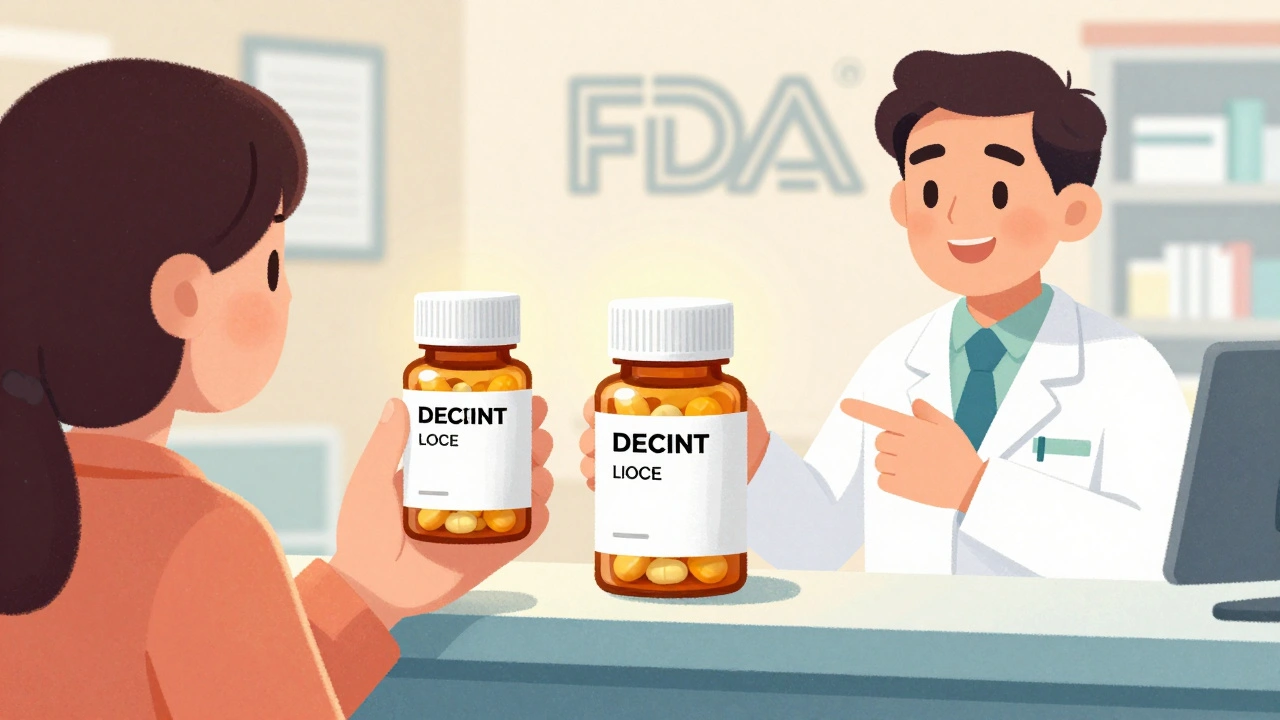
When your prescription runs out and you see a new pill in the bottle - different color, different shape, no brand name - you might wonder: is this the same drug? The answer, in many cases, is yes. It’s not a traditional generic. It’s an authorized generic. And for patients who’ve had bad experiences with regular generics, this option can make a real difference.
What Exactly Is an Authorized Generic?
An authorized generic is the exact same medication as the brand-name drug you’ve been taking - same active ingredient, same inactive ingredients, same manufacturing process. The only difference? It doesn’t have the brand name on the label. It’s made by the original brand company, sometimes under a different label, and sold at a lower price.
The U.S. Food and Drug Administration (FDA) defines it clearly: an authorized generic is a brand-name drug marketed without the brand name on the packaging. It doesn’t need a separate approval because it’s produced under the same New Drug Application (NDA) as the original. That means no bioequivalence testing - it’s already proven safe and effective. You’re getting the same pill, just without the marketing.
How Is It Different From a Regular Generic?
Regular generics are required to have the same active ingredient as the brand, but they can - and often do - use different fillers, dyes, or binders. For most people, that’s fine. But for some, those small changes matter. Patients on drugs like levothyroxine (for thyroid issues) or warfarin (a blood thinner) can be extremely sensitive to even minor formulation differences. That’s why some switch from a regular generic back to the brand - and then discover an authorized generic as a cheaper, identical alternative.
Authorized generics skip the typical generic approval path. Instead of an Abbreviated New Drug Application (ANDA), they ride on the brand’s original NDA. That’s why they don’t show up in the FDA’s Orange Book, where traditional generics are listed. You won’t find them in most pharmacy databases under the generic name alone - you need to look for the manufacturer code or ask your pharmacist.
Why Do Companies Make Authorized Generics?
It’s not charity. It’s strategy. When a brand-name drug’s patent is about to expire, competitors can launch cheaper generics. But if the original company launches its own authorized generic at the same time, it can capture a big chunk of that market. In fact, about 70% of authorized generics launch during the 180-day exclusivity window granted to the first generic company - essentially undercutting their own competition.
According to market data, between 2010 and 2019, there were 854 authorized generic launches. The peak? 2014, with 128 new ones in one year. Today, about 10% of brand-name drugs have an authorized generic version. That might sound low, but for the drugs that do have one, they often capture 25% of the generic market share.
Some analysts argue this slows down price drops. In markets with authorized generics, prices fell 15% less in the first year after patent expiry than in markets without them. The Congressional Budget Office found that authorized generics led to 12% smaller price reductions compared to drugs without them. For patients, that means savings - but maybe not as much as you’d expect.
Which Drugs Have Authorized Generics?
Not every brand has one. But many of the most commonly prescribed ones do. Here are some key examples currently available as of 2025:
- Colcrys (colchicine) → Authorized generic by Prasco Laboratories - used for gout. Patients who couldn’t tolerate the fillers in regular generics often report better results with this version.
- Concerta (methylphenidate ER) → Authorized generic by Watson/Actavis - for ADHD. The extended-release formulation is tricky to copy, making the authorized version especially valuable.
- Celebrex (celecoxib) → Authorized generic by Greenstone Pharmaceuticals - a COX-2 inhibitor for pain and inflammation.
- Unithroid (levothyroxine) → Authorized generic by Jerome Stevens Pharmaceuticals - thyroid replacement. A classic case where inactive ingredients affect absorption and patient symptoms.
- ProAir HFA (albuterol sulfate) → Authorized generic by Teva - an inhaler for asthma. The device and formulation must be exact, making this version critical for patients who need reliability.
- Jardiance (empagliflozin) → Authorized generic launched in 2025 by Boehringer Ingelheim - a newer diabetes drug that just got its authorized version this year.
The FDA updates its official list of authorized generics regularly - the latest update was October 10, 2025, adding 17 new products. That list is the only authoritative source. Other websites may list generics, but only the FDA’s list confirms which ones are truly authorized.
How to Find Out If Your Drug Has One
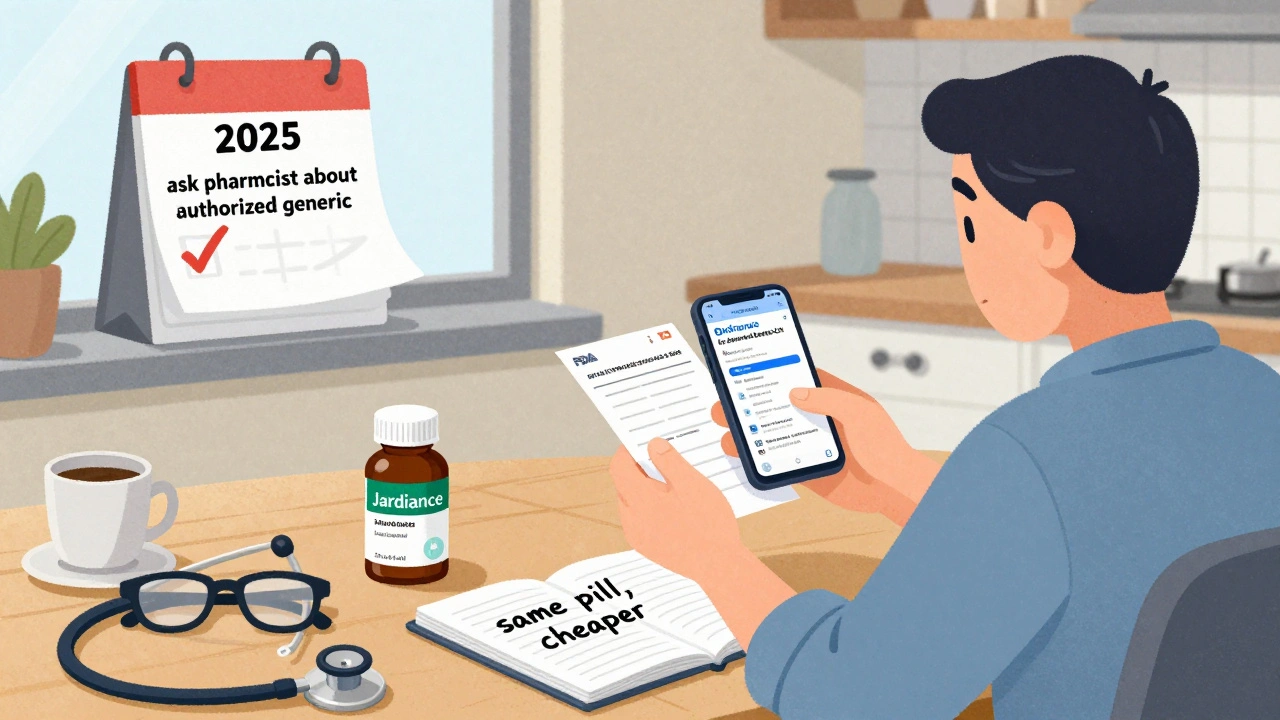
Don’t rely on your pharmacy’s default substitution. Ask your pharmacist directly: “Is there an authorized generic for this medication?” They can check the manufacturer code in their system. Authorized generics often show up with the same generic name but a different manufacturer - like “Tevas” instead of “Actavis.”
Some insurance plans automatically substitute authorized generics if they’re cheaper than the brand. Others don’t. If you’re paying out of pocket, check GoodRx or SingleCare - they often show prices for authorized generics separately from traditional ones.
If you’re on a narrow therapeutic index drug - like levothyroxine, warfarin, phenytoin, or digoxin - always ask. Even small changes in inactive ingredients can affect how your body absorbs the drug. Many patients who switched from a regular generic to an authorized generic of levothyroxine reported fewer symptoms like fatigue or heart palpitations.
What to Expect When You Switch
Even though the drug is identical, the pill might look completely different. Color, shape, imprint - all can change. That’s normal. Don’t panic if your new pill doesn’t match your old one. The active ingredient is unchanged. The FDA requires manufacturers to notify the agency when launching an authorized generic, but they don’t require them to look like the brand.
Pharmacists are encouraged to counsel patients on this. The American Pharmacists Association recommends saying: “This pill looks different, but the medicine inside is exactly the same as your brand. It’s safe to switch.” If your pharmacist doesn’t explain this, ask. Confusion is the biggest barrier to using authorized generics.
Are There Downsides?
Yes. Availability is limited. Only about 1 in 10 brand-name drugs have an authorized generic. That means for most medications, you’re stuck with traditional generics - or the brand.
Also, because authorized generics are often launched to compete with traditional generics, they can delay price drops. Instead of multiple generic makers driving prices down, you get one version from the original company. That keeps prices higher than they might otherwise be.
And while they’re cheaper than the brand, they’re not always the cheapest option. Sometimes, a traditional generic will be priced lower, especially if multiple manufacturers are competing. Always compare prices before assuming the authorized version is the best deal.
What’s Changing in 2025?
More drugs are getting authorized generics every year. The FDA’s 2025 update added 17 new products, including Jardiance and several others. Analysts predict a 5-7% annual increase in new authorized generic launches through 2027. That’s partly because brand manufacturers are getting smarter about protecting revenue after patent loss.
There’s also growing pressure from regulators. The Congressional Budget Office has flagged authorized generics as a factor slowing down generic price competition. Policy changes could come - but for now, they remain a legal and widely used tool.
For patients, the trend is good news. More options mean more chances to find a low-cost version that works for your body. For people who’ve struggled with side effects from traditional generics, an authorized version can be a game-changer.
Bottom Line
If you’re taking a brand-name drug that’s gone generic, ask about the authorized version. It’s not magic. It’s just the same pill, cheaper. For some drugs - especially those where small differences matter - it’s the best option available. Check the FDA’s official list. Talk to your pharmacist. Don’t assume your generic is the only low-cost choice. Sometimes, the closest thing to the brand you’ve always known is the one you didn’t realize was already available.
Are authorized generics the same as brand-name drugs?
Yes. Authorized generics contain the exact same active and inactive ingredients as the brand-name drug. They’re made in the same facility, using the same process. The only difference is the label - no brand name, lower price.
Why do authorized generics look different from the brand?
Manufacturers change the color, shape, or imprint to distinguish them from the branded product. This is required by law to avoid confusion. But the medicine inside is identical. If you’re unsure, ask your pharmacist to confirm the manufacturer and ingredients.
Can I trust an authorized generic if it’s cheaper?
Absolutely. Authorized generics are not inferior. They’re produced under the same FDA-approved process as the brand. In fact, because they don’t need separate testing, they’re held to the same standards from day one. Many patients report fewer side effects with authorized generics than with traditional generics.
How do I know if my drug has an authorized generic?
Check the FDA’s official Listing of Authorized Generic Drugs, updated as of October 10, 2025. You can also ask your pharmacist to check the manufacturer code in their system. Some pharmacy apps like GoodRx will also list authorized generics separately from traditional ones.
Are authorized generics covered by insurance?
Most insurance plans cover authorized generics as a generic drug. They’re often priced lower than the brand and sometimes even lower than traditional generics. But coverage varies. Always confirm with your plan before switching. If you’re paying cash, compare prices - sometimes a traditional generic is cheaper.
Do authorized generics work better for people with allergies?
Not necessarily. Authorized generics have the same inactive ingredients as the brand, so if you’re allergic to a dye or filler in the brand, you’ll be allergic to the authorized version too. But if you reacted to a different filler in a traditional generic, switching to the authorized version may help - because it matches the brand’s exact formula.
Why aren’t there authorized generics for more drugs?
It’s a business decision. Brand manufacturers only launch authorized generics when it makes financial sense - usually when they’re facing generic competition. If a drug has low sales or a short patent life, it’s not worth the effort. Only about 10% of brand drugs have one, and that number is growing slowly.
So the pharma giants just slap a new label on the same pill and call it a day. Brilliant. We're not getting cheaper drugs-we're getting corporate theater. The FDA? More like FDA Inc. Same factory, same chemists, same profit margins. Just less branding. Welcome to capitalism, folks.
This is such a helpful breakdown!! 🙌 I switched my mom to the authorized generic for levothyroxine last year and her energy levels finally stabilized. She cried when she saw the price drop. Seriously, if you're struggling with generics, ASK YOUR PHARMACIST. It's not magic-it's just the same medicine without the hype. You got this!
One must consider the broader economic architecture of pharmaceutical distribution wherein the authorized generic constitutes a strategic maneuver not unlike a corporate velvet revolution wherein the incumbent maintains market dominance under the guise of consumer benevolence while simultaneously stifling the emergent competitive forces that would otherwise precipitate a more profound reduction in cost structure
They’re lying to you. Authorized generics? More like authorized lies. The FDA’s list? Manufactured. The same company makes the brand and the ‘generic’? That’s not competition-that’s collusion. They’re keeping prices high while pretending to help you. Wake up. This is how they control the system. Don’t trust the label. Trust nothing.
why do they even bother makin these if they just wanna keep prices high?? its all a scam. i got the ‘generic’ for celebrex and it made me feel like a zombie. then i asked for the ‘authorized’ one and boom-same pill but now i can actually walk. but the price? still too damn high. pharma = evil
It’s weird how something so simple-same pill, different label-can cause so much confusion. I didn’t know this existed until my pharmacist mentioned it. Now I just ask every time. It’s not about trust. It’s about knowing your options. 🤔
The precision with which this document elucidates the regulatory and commercial dynamics surrounding authorized generics is commendable. One must acknowledge the nuanced interplay between intellectual property rights, market competition, and patient welfare. It is imperative that healthcare practitioners remain vigilant in educating patients regarding the authenticity and equivalence of such formulations.
People act like this is some kind of win. It’s not. The drug companies are laughing all the way to the bank. You think you’re saving money? You’re just paying less to the same people who made you pay too much in the first place. And you’re thanking them for it. Pathetic.